
 EN
EN
 ar
ar bg
bg hr
hr cs
cs da
da nl
nl fi
fi fr
fr de
de el
el hi
hi it
it ko
ko no
no pl
pl pt
pt ro
ro ru
ru es
es sv
sv tl
tl iw
iw id
id lv
lv lt
lt sr
sr sk
sk sl
sl uk
uk vi
vi et
et hu
hu th
th tr
tr fa
fa ms
ms hy
hy ka
ka ur
ur bn
bn mn
mn ta
ta kk
kk uz
uz ku
ku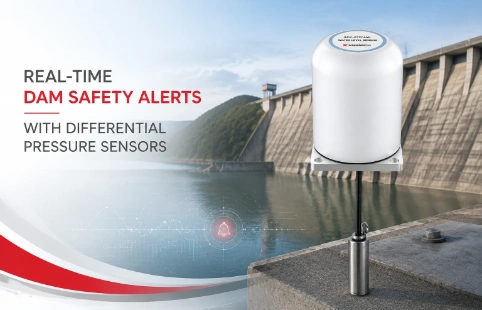
Real-Time Dam Safety Alerts with Differential Pressure Water Level Sensors
Key Takeaways An alert chain needs more than a sensor: define field in...

Biaxial Inclinometers for Reliable Deformation Tracking
Picking the right biaxial inclinometer often comes down to how well the supplier understands field conditions, not just the list of specs. Kingmach has been designing instruments for geotechnical monitoring long enough to know that no two sites are identical. Whether you’re measuring slope movement, tunnel convergence, or dam deformations, we start by pinning down the real monitoring goal—long-term stability, rapid early warning, or integration with an existing control network. Our biaxial inclinometers use proven MEMS sensor technology and come in several housing and output configurations, so you’re not stuck adapting your project to a standard unit. Most customers work with us to fine-tune resolution, range, and signal interface, and we often ship within a couple of weeks, even for custom requests. If you’re tired of mass-market sensors that don’t quite fit your boreholes or data logger, it’s worth taking a closer look at how we approach instrumentation.
Technical Detail
Kingmach Measurement & Monitoring Technology Co., Ltd. is a specialized manufacturer of geotechnical instruments, and biaxial inclinometers are a core part of our lineup. We build these sensors for deformation monitoring in civil engineering, mining, and environmental projects where simultaneous two-axis tilt data matters. You won’t find one-size-fits-all units here. Our range covers multiple measuring ranges—from ±5° to ±30°—and you can specify resolution as fine as 0.001° for precise settlement monitoring. Sensor elements are temperature-compensated, and we offer IP67 or higher sealing as standard for wet or dusty installations. Output choices include digital RS485, 4-20 mA analog, and voltage signals, which means straightforward integration with PLCs, wireless nodes, or standalone data loggers. For long wire runs, we frequently suggest a 4-20 mA loop to avoid signal loss. Beyond the hardware, Kingmach supports projects globally from our distribution network. We assist with installation guidance, troubleshooting, and after-sales calibration. Customization is routine—if you need a narrower range with higher sensitivity, a special cable length, or a specific connector, we handle it without forcing a minimum order that breaks your budget. Most engineers we work with appreciate that we keep lead times honest and documentation clear, because testing and commissioning deadlines don’t move.
News
Key Takeaways An alert chain needs more than a sensor: define field in...
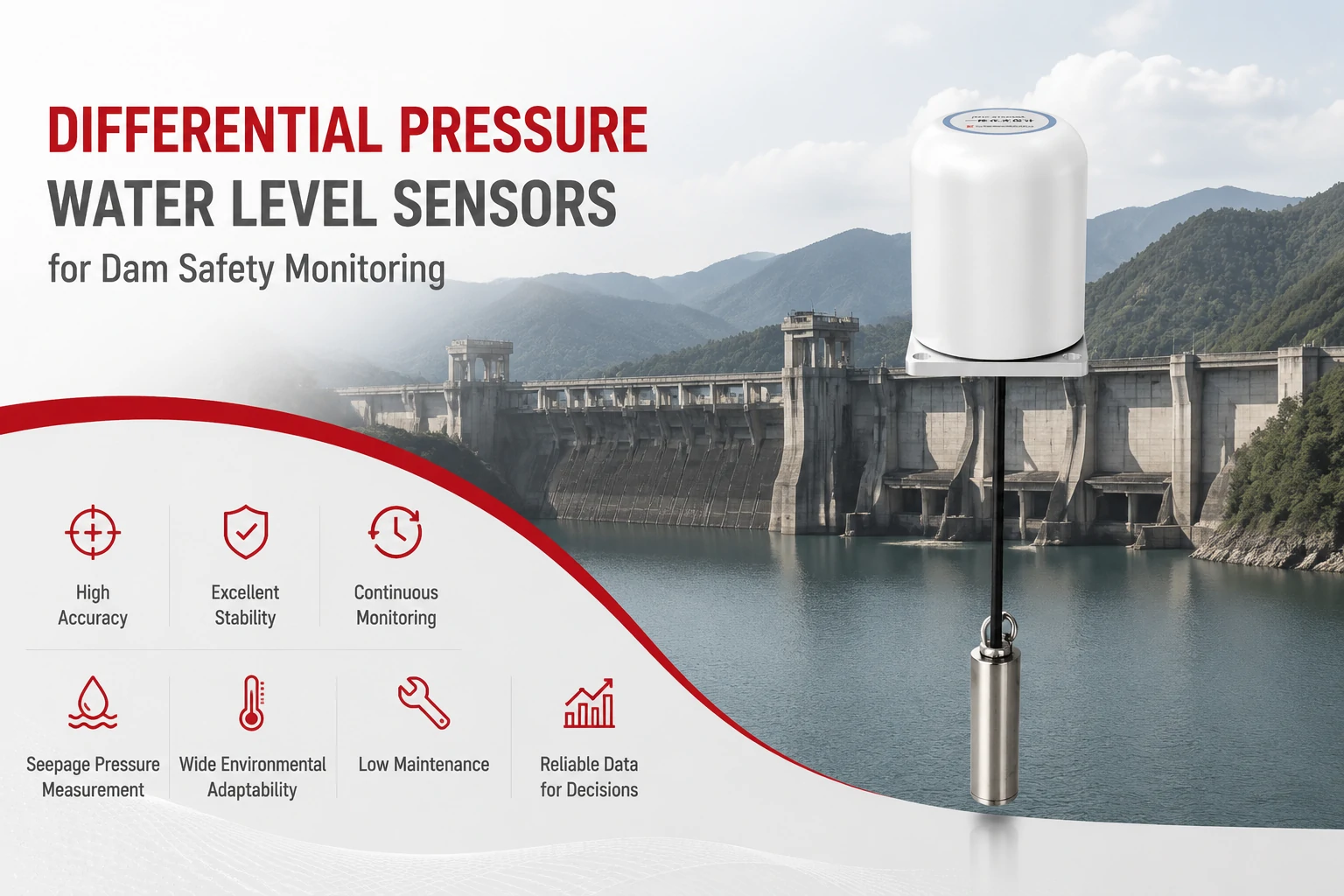
Key Takeaways The strongest fit is usually a confined, submerged, or s...
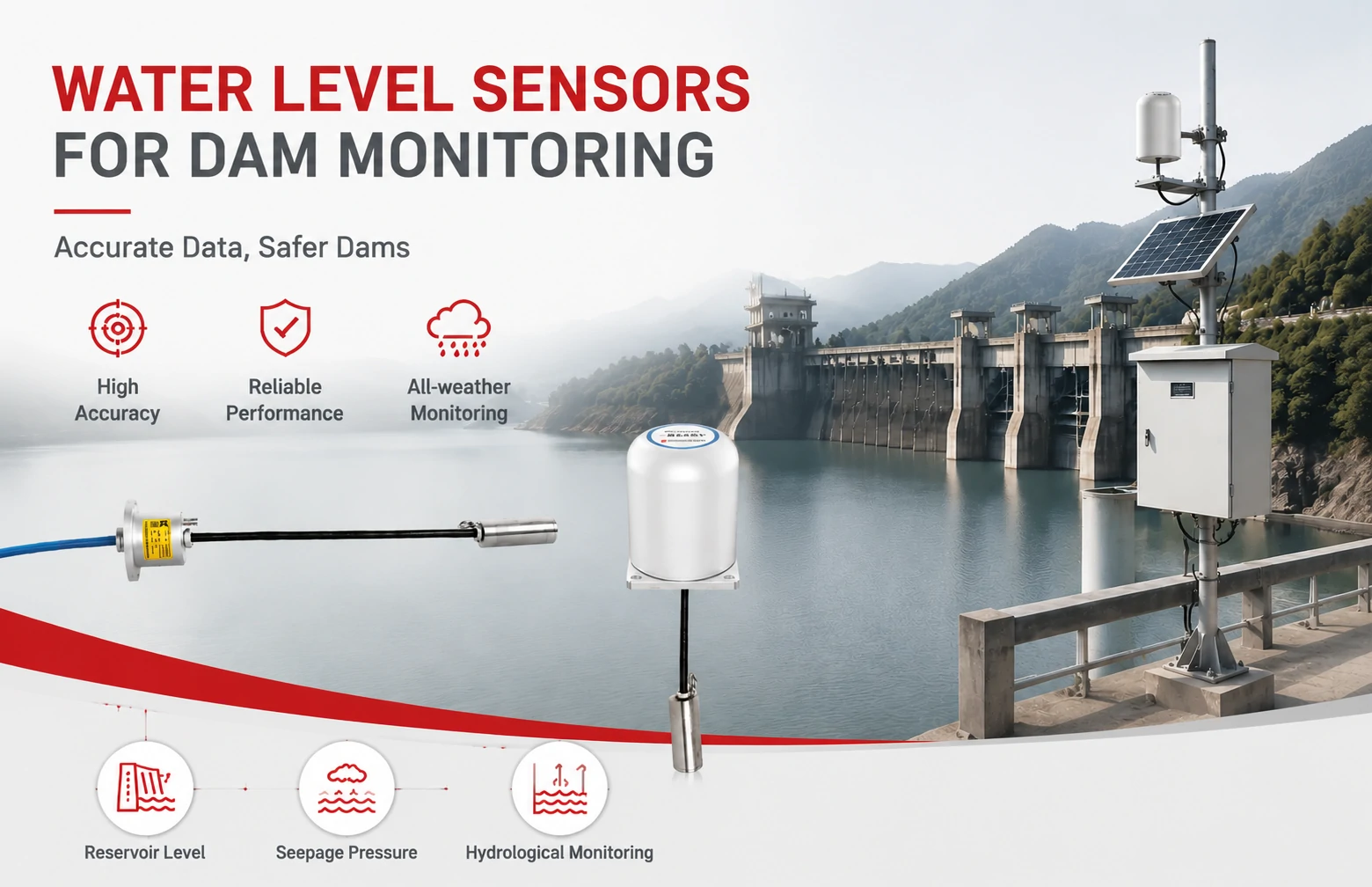
Kingmach Water Level Sensors for Dam Monitoring: A Buyer's Guide to Differential Pre...
Products
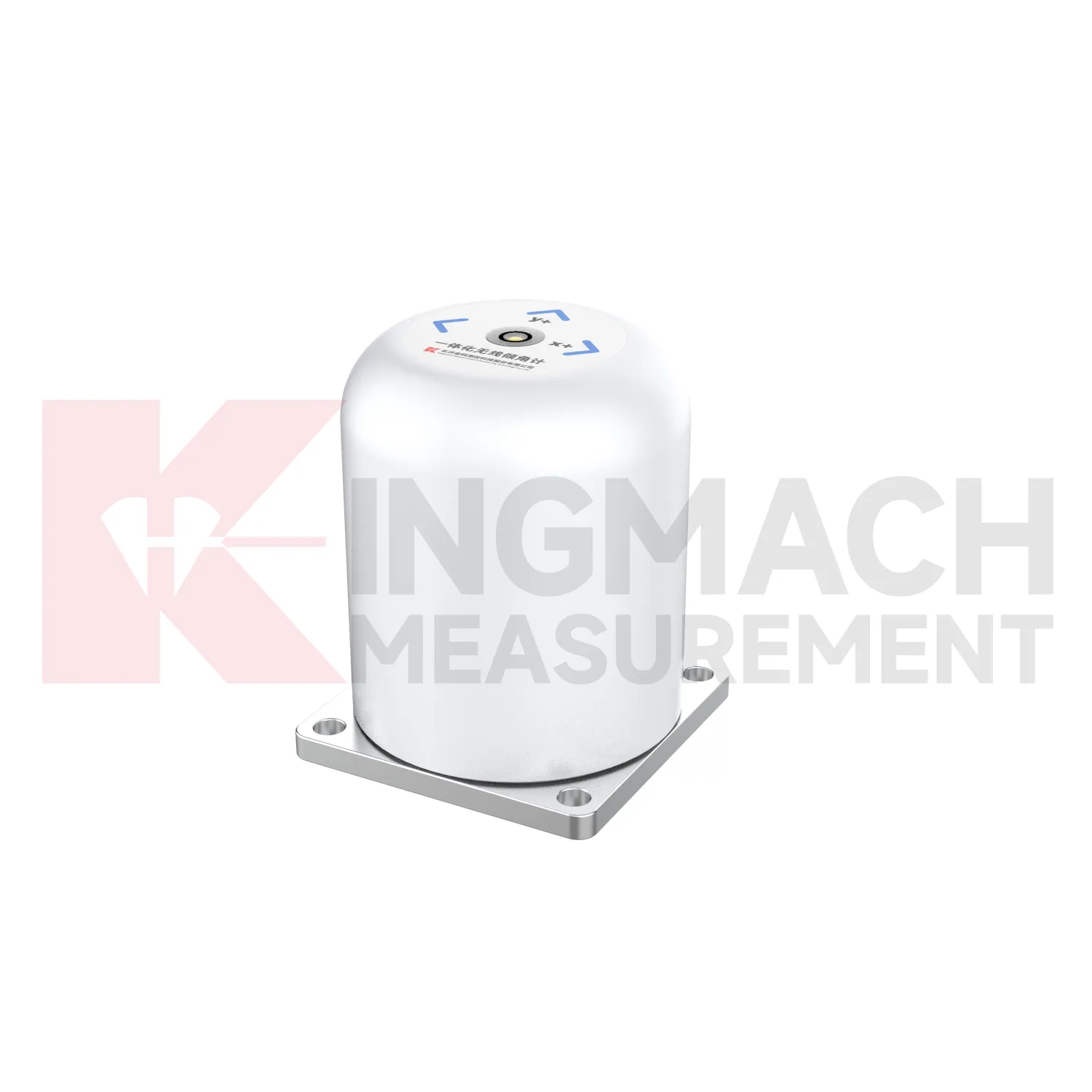
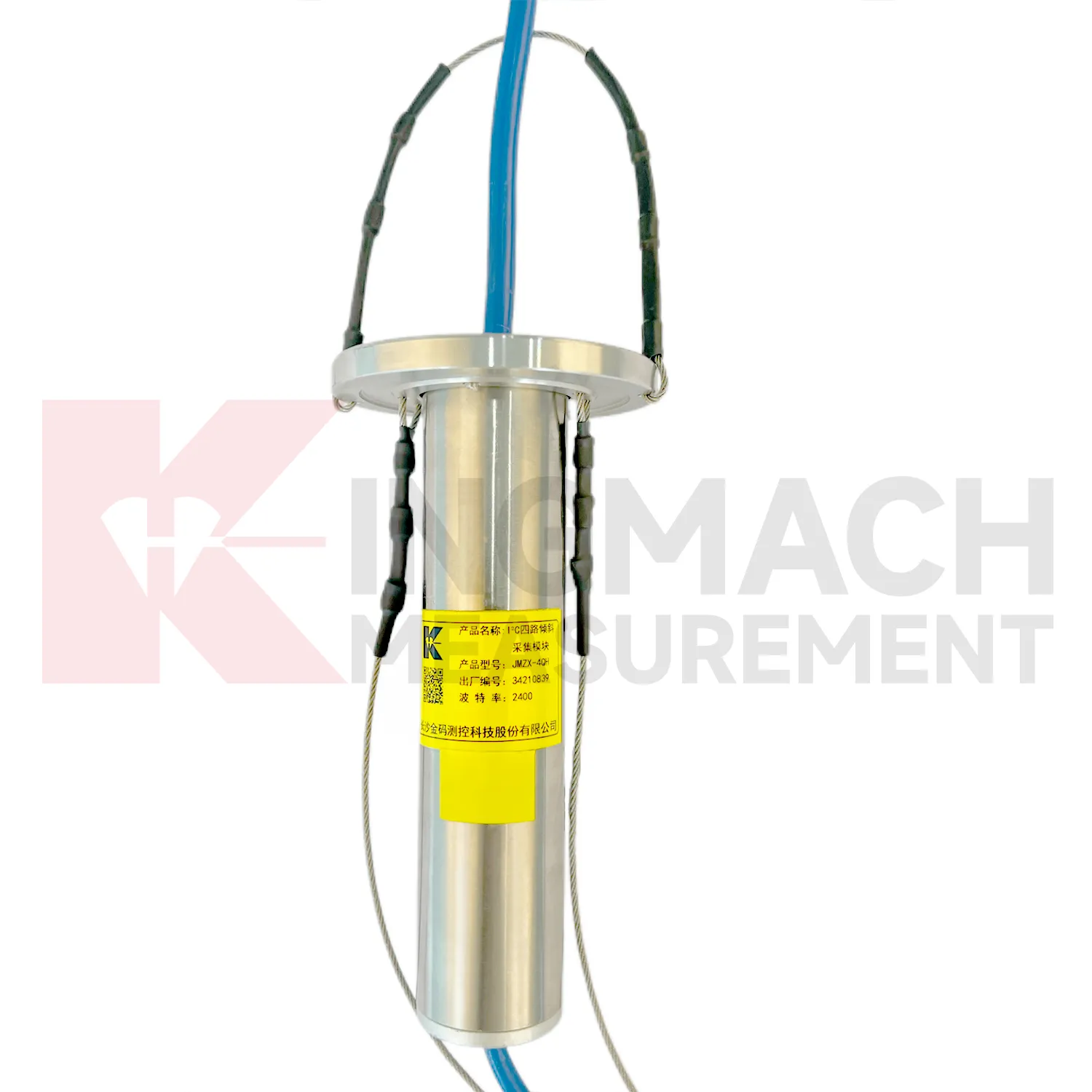
I²C 4-Channel Inclination Acquisition Module JMZX-4QH
View Details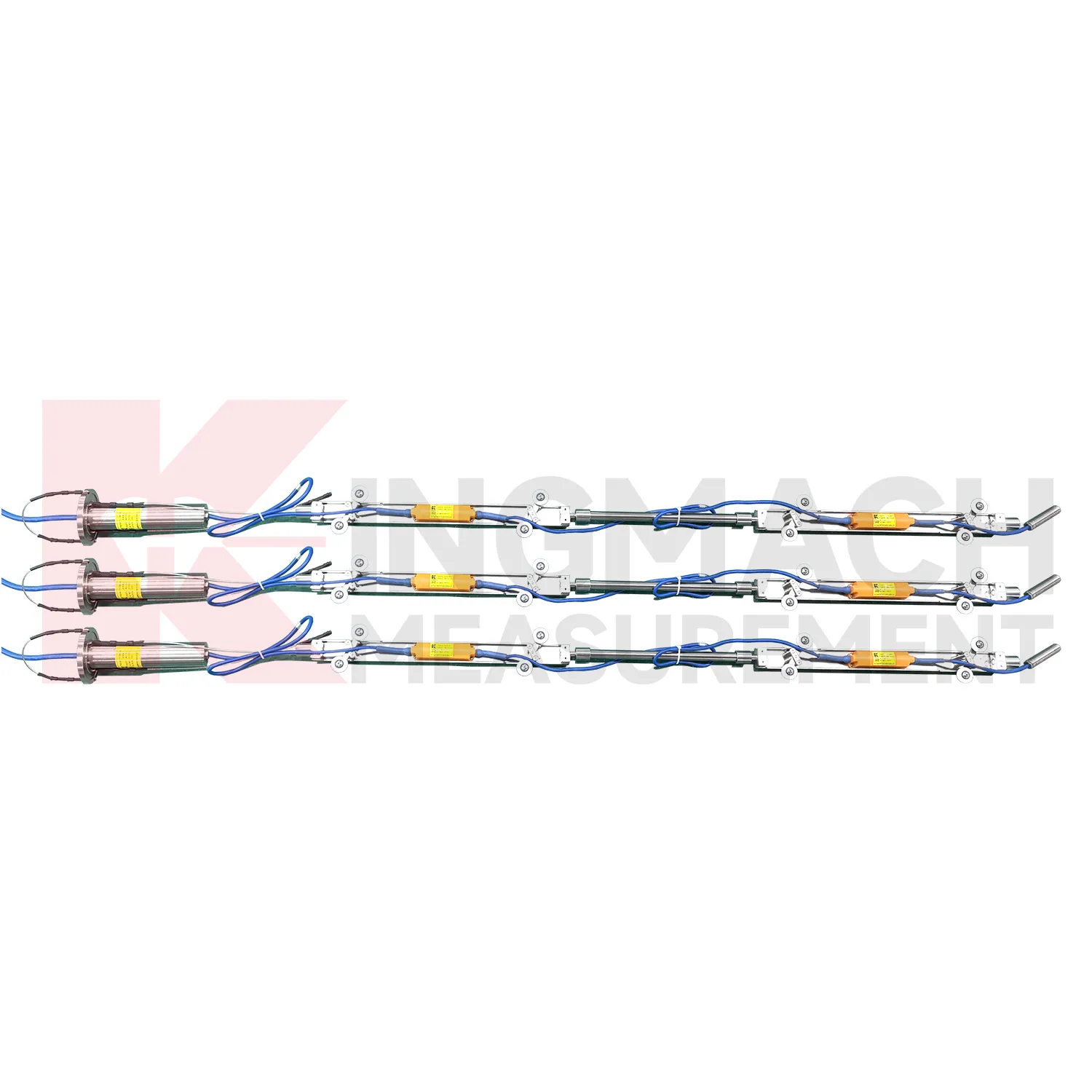
Vertical In-Place Inclinometer System JMQJ-7915ATS
View DetailsFAQ
A uniaxial inclinometer measures tilt around one axis, so you get a single component of movement—typically the direction perpendicular to the sensor’s axis. A biaxial design captures tilt in two orthogonal planes simultaneously, giving the full vector of displacement in a borehole or on a structure. You need both axes when the deformation direction isn’t known in advance, such as in landslide monitoring, deep excavation, or when tracking the actual displacement path of a retaining wall. It also reduces instrument count because one sensor replaces two uniaxial units in the same groove.
Kingmach biaxial inclinometers are built with low-drift MEMS elements, and with built-in temperature compensation, annual drift is generally below 0.01% of full scale under normal conditions. For critical projects, we suggest a check against a calibrated tilt platform every 12–18 months, but many monitoring consultants find the values stable enough to stretch that to 24 months if the environment isn’t extreme. If your budget allows, a quick zero-check with a bubble level before deployment is a good habit that catches any gross shifts.
Standard units are sealed to IP68 for short-term submersion, but for permanent underwater use we apply a secondary gel-filled or stainless steel housing with double O-ring seals, and we block the vent with a pressure-equalizing membrane. The cable entry is potted to stop capillary wicking. We’ve supplied sensors for reservoir monitoring that stayed operational under 10 meters of water for over two years. Just specify the immersion depth and duration when ordering; we’ll recommend an appropriate sealing level and discuss the slight increase in response time due to water damping if that matters for your alarm thresholds.
Integration usually depends on signal compatibility. Our digital RS485 units speak a simple ASCII protocol that any logger or RTU can poll; you get tilt values in degrees or mm/m with a timestamp. For analog systems, 4-20 mA loops are more common—each axis gets its own pair of wires, and the current scales linearly with the measurement range. We also offer SDI-12 versions if you’re running an environmental monitoring network. I’ve seen teams wire the sensor directly to a cellular node and poll it once an hour; the whole system runs off a small solar panel. If you need help with addressing or parsing, our technical support team can walk you through the commands over a video call.
More often than not, those spikes are real elastic ground response. A biaxial inclinometer with a 0.001° resolution will catch tiny transient rotations from surface loading, especially in soft soil or fractured rock. You can verify by checking if the signal returns to the baseline after the truck passes. To rule out electrical noise, try enabling the internal moving-average filter (if available) or adding a 2–3 second damping in your data acquisition software. If the problem persists, a low-pass filter at 0.5 Hz in the sensor firmware usually cuts out vibration but still lets through real slow deformation. We can preconfigure that before shipment.
Share your product type, target capacity, and application requirements. Our team can review the details and recommend a practical next step.
If you are interested in our products or want to become our partner.
Please leave your contact information, our team will contact you as soon as possible.
Mail: [email protected]
Contact Us: +8613808434127
Address: No. 188 Tongzipo West Rd, Changsha, Hunan, China