
 EN
EN
 ar
ar bg
bg hr
hr cs
cs da
da nl
nl fi
fi fr
fr de
de el
el hi
hi it
it ko
ko no
no pl
pl pt
pt ro
ro ru
ru es
es sv
sv tl
tl iw
iw id
id lv
lv lt
lt sr
sr sk
sk sl
sl uk
uk vi
vi et
et hu
hu th
th tr
tr fa
fa ms
ms hy
hy ka
ka ur
ur bn
bn mn
mn ta
ta kk
kk uz
uz ku
ku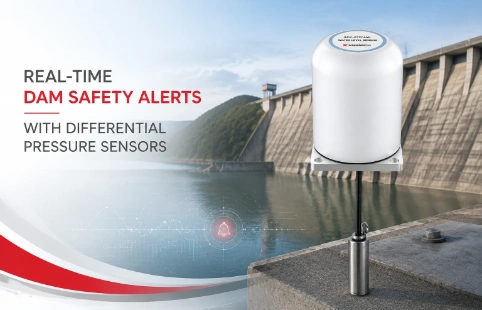
Real-Time Dam Safety Alerts with Differential Pressure Water Level Sensors
Key Takeaways An alert chain needs more than a sensor: define field in...

Wire Rope Load Cell – Tension Measurement, Simplified
Getting an accurate tension reading on a steel wire rope doesn’t have to be complicated. Kingmach wire rope load cells clamp directly onto the rope, giving you a live readout without cutting or splicing. They’re used on crane hoists, winch lines, stay cables, and pretty much anywhere a rope is under load. These sensors connect to standard readout units or data loggers, so integrating them into your monitoring setup is straightforward. We keep a range of capacities and rope diameters on hand, but if your job calls for something unusual, we can adjust the design. It’s that mix of standard stock and made-to-order that works for geotechnical and structural projects where one size rarely fits all.
Technical Detail
A wire rope load cell works by clamping around the rope and measuring the small bending it sees when tension pulls the rope straight. It doesn’t touch the load path directly, so you don’t need to take the rope out of service. Kingmach’s versions come with an IP67-rated sealed body, which handles rain and dust on outdoor sites. The standard cable exit is a connector or a fixed lead, depending on what you need. Most jobs call for capacities between a few hundred kilograms and several tonnes, and we keep those in stock. For larger ropes or special capacities, we’ll modify the jaw geometry and the strain gauge bridge to match. Output options are mV/V, 4-20 mA, or RS485, so you can feed data into PLCs or wireless transmitters without extra signal conditioning. Installation is quick: you bolt the sensor onto a clean section of rope, run a zero calibration, and you’re measuring. A lot of our users pair these with our handheld indicators for field checks, or with a permanent data logger for long-term monitoring on bridges and guyed masts. Custom cable lengths, high-temperature versions, and subsea housings are all possible; we’ve built them for port cranes, cable-stayed bridge assessments, and mine shaft safety systems. After the sale, our support team can walk you through integration, whether you’re connecting to a legacy monitoring system or building a new one.
News
Key Takeaways An alert chain needs more than a sensor: define field in...
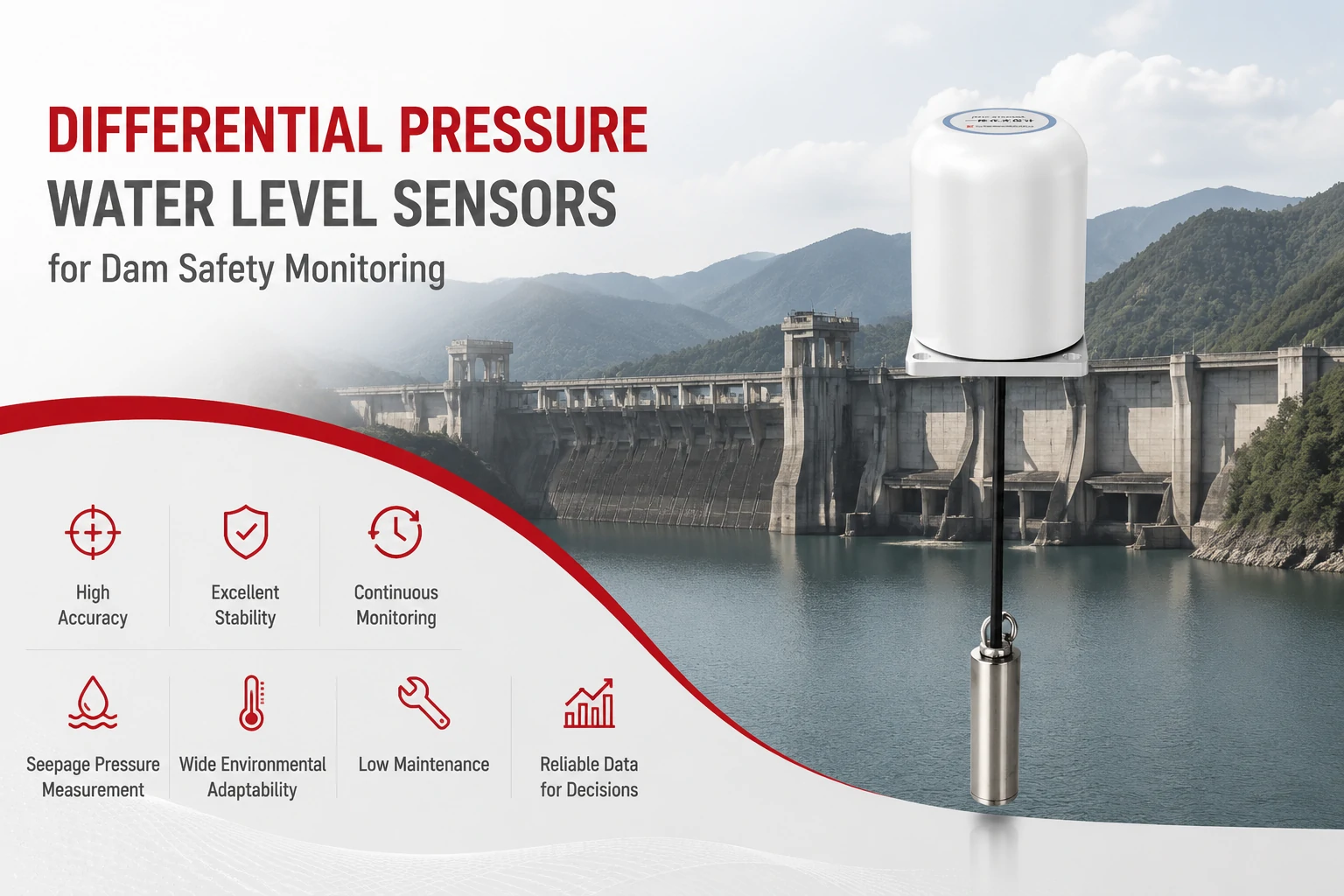
Key Takeaways The strongest fit is usually a confined, submerged, or s...
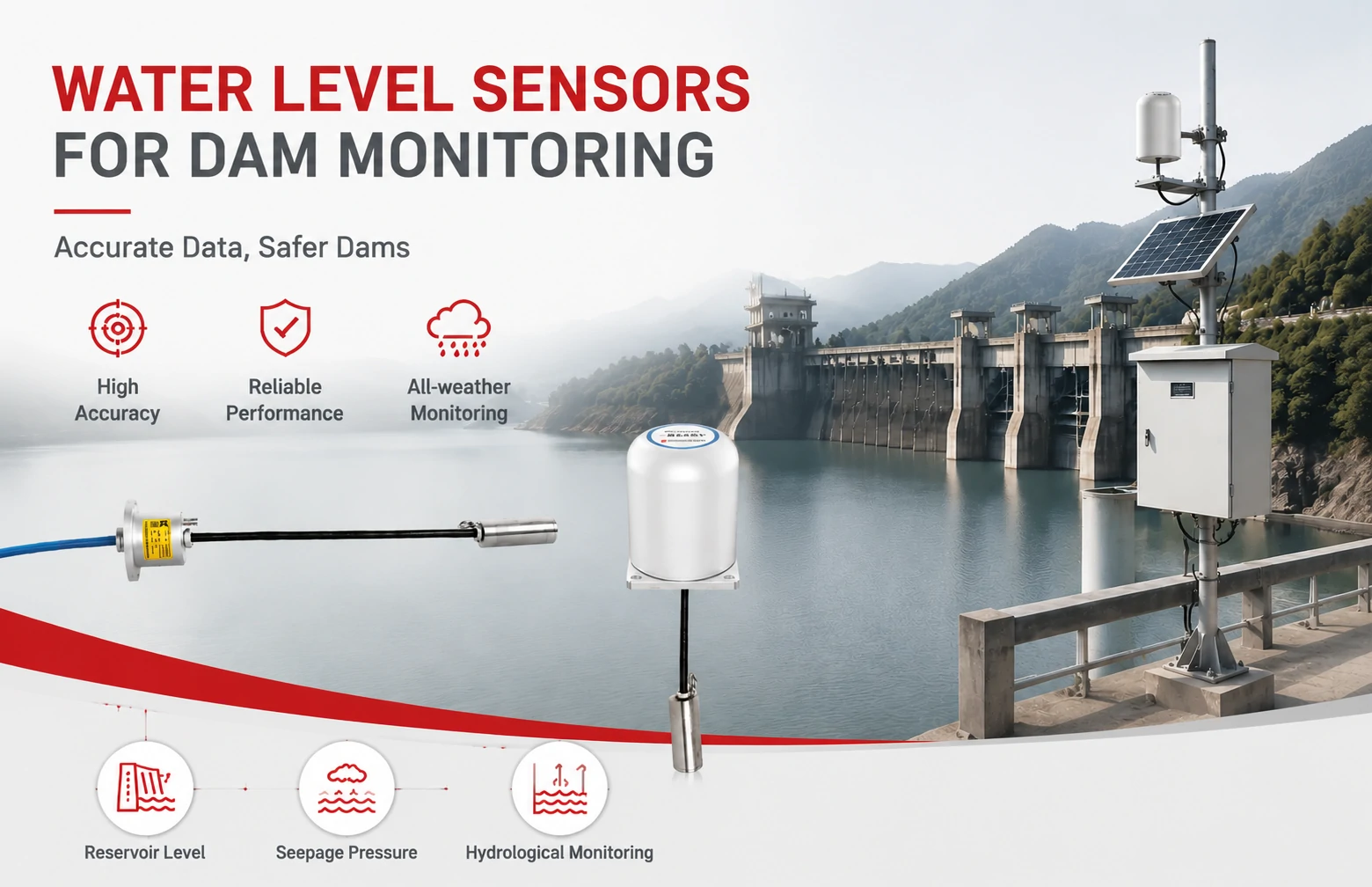
Kingmach Water Level Sensors for Dam Monitoring: A Buyer's Guide to Differential Pre...
Products
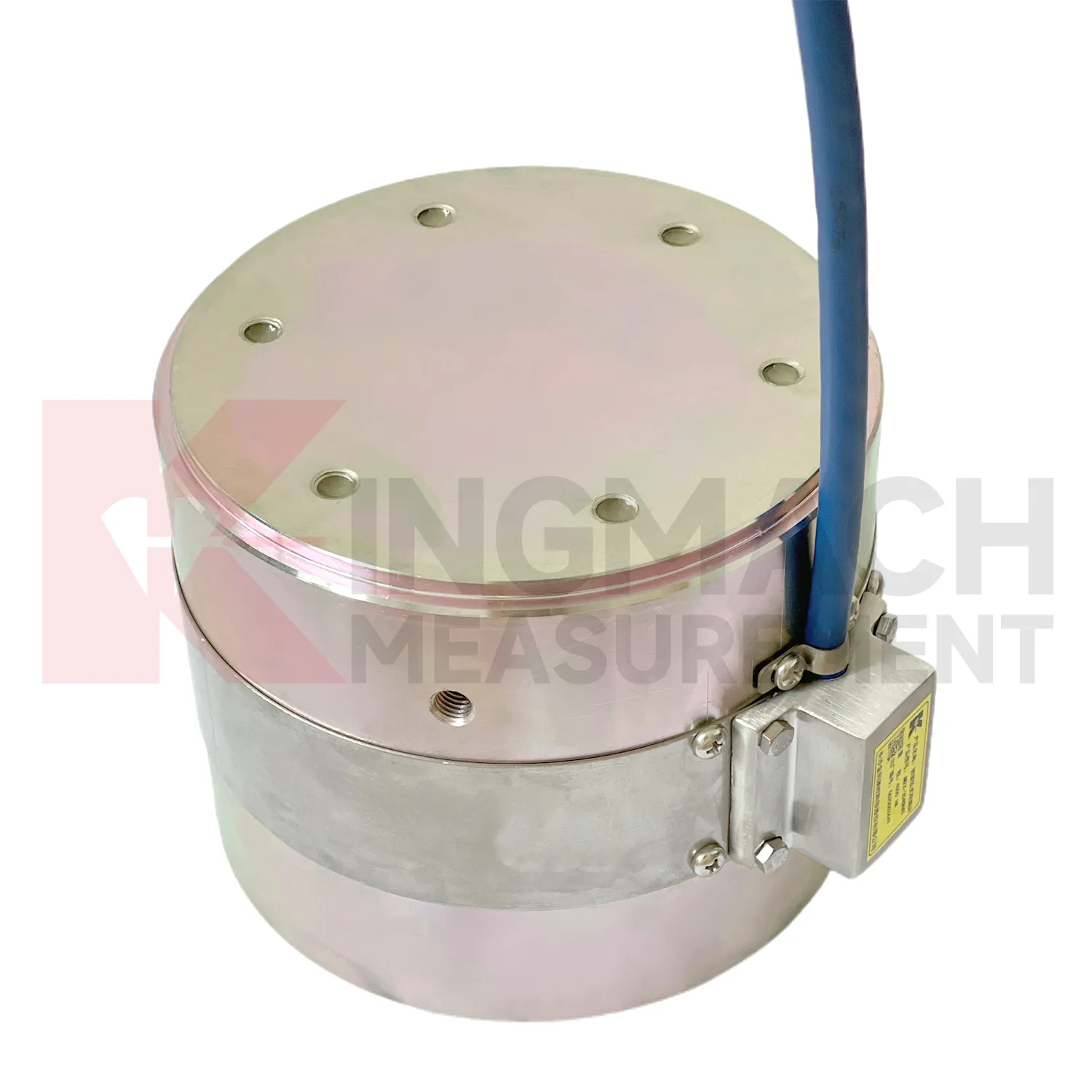
Solid load cell JMZX-34XXHAT、35XXHAT、36XXHAT
View Details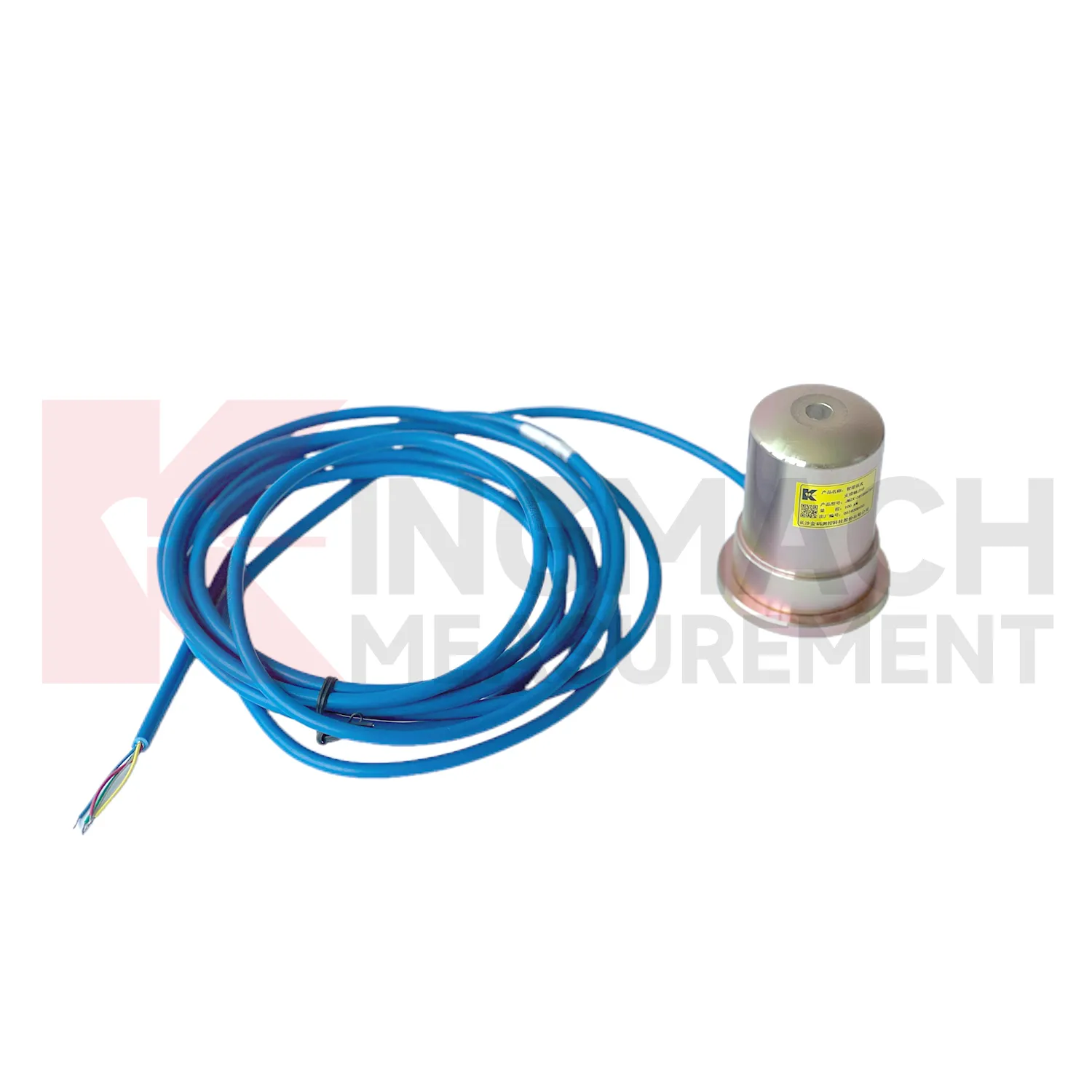
Smart Formwork Axial Force Meter(VW)JMZX-39XXHAT
View Details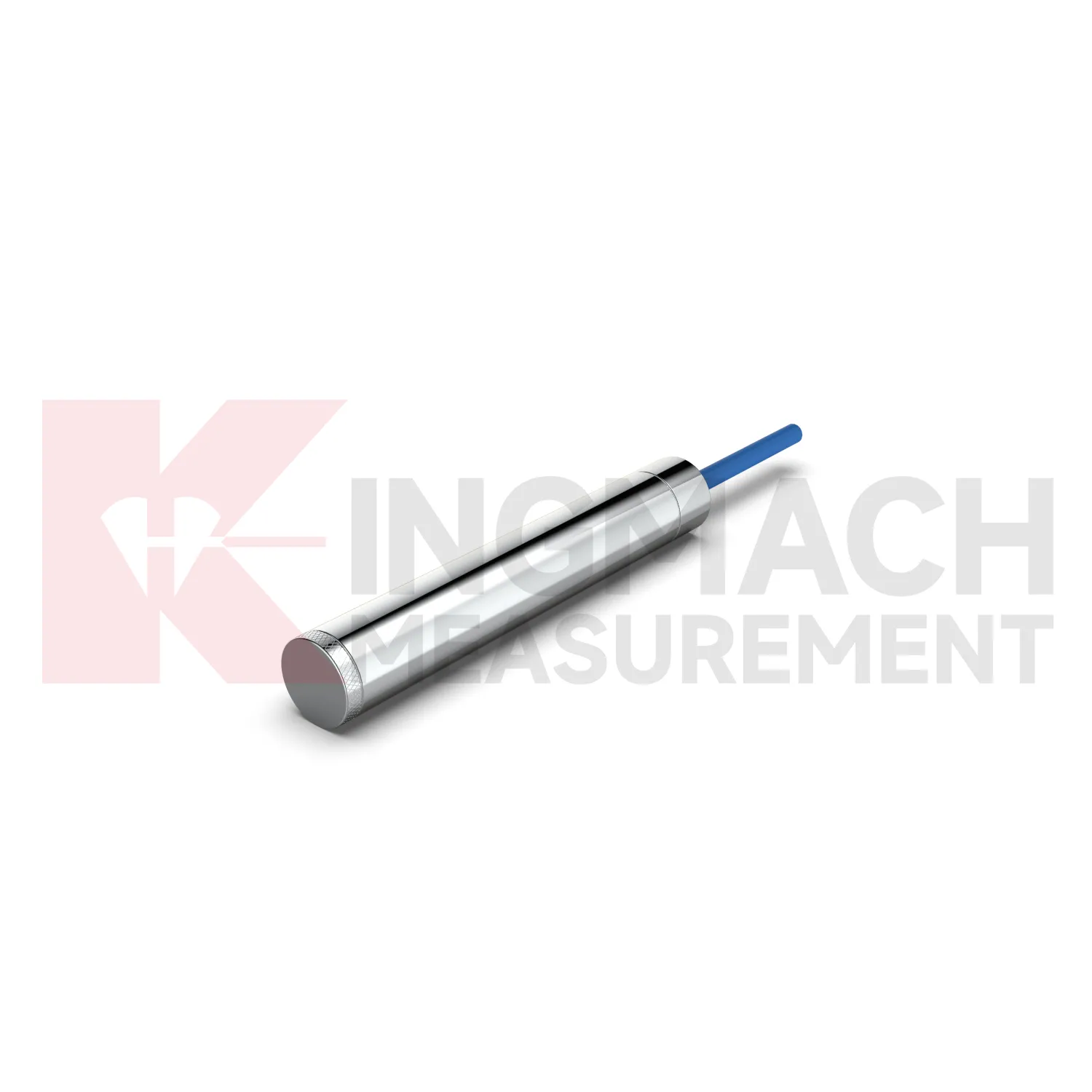
Smart Vibrating Wire PiezometerSmart Piezometers (VW) JMZX-55XXHAT
View DetailsFAQ
Most users handle installation without special training. The sensor clamps onto the rope with bolts, and you only need basic tools. We provide a manual with torque specs and calibration steps. If the rope is in a hard-to-reach spot or under constant tension, you might want a rigging crew, but it’s not a complex process.
A clamp-on sensor sits on the rope without altering the load line, so there’s no need to break the rope or insert a load cell in series. A tension link goes in-line and must be part of the load path. Clamp-on types are faster to put on and take off, which helps if you’re monitoring multiple ropes or need to move the sensor around.
Start with the working load limit of your rope and pick a sensor that covers that range with some headroom. If the rope sees shock loads or frequent peaks, go a size up to avoid overloading the strain gauges. We can help you match the sensor to your rope diameter and typical tension if you share your application details.
The clamping mechanism can handle minor shape irregularities, but a rope that’s heavily flattened or kinked might not give a clean signal. In that case, you’d need to find an undamaged section for mounting. If the rope is extremely out-of-round, a custom jaw profile can be machined to fit.
Yes, the standard IP67 rating handles rain and dust. For marine or submerged use, we can upgrade to a fully welded, subsea-rated housing with a higher IP rating. Just let us know your environment so we spec the right seals and cable gland.
Share your product type, target capacity, and application requirements. Our team can review the details and recommend a practical next step.
Related Keywords
If you are interested in our products or want to become our partner.
Please leave your contact information, our team will contact you as soon as possible.
Mail: [email protected]
Contact Us: +8613808434127
Address: No. 188 Tongzipo West Rd, Changsha, Hunan, China