
 EN
EN
 ar
ar bg
bg hr
hr cs
cs da
da nl
nl fi
fi fr
fr de
de el
el hi
hi it
it ko
ko no
no pl
pl pt
pt ro
ro ru
ru es
es sv
sv tl
tl iw
iw id
id lv
lv lt
lt sr
sr sk
sk sl
sl uk
uk vi
vi et
et hu
hu th
th tr
tr fa
fa ms
ms hy
hy ka
ka ur
ur bn
bn mn
mn ta
ta kk
kk uz
uz ku
ku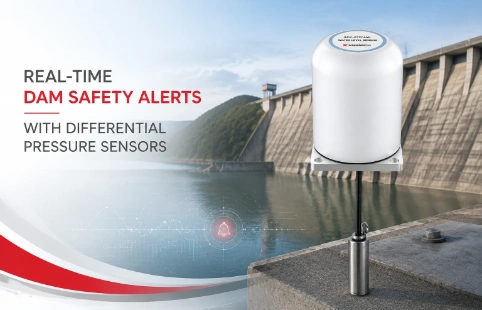
Real-Time Dam Safety Alerts with Differential Pressure Water Level Sensors
Key Takeaways An alert chain needs more than a sensor: define field in...

Weir Flow Meter Price: Balancing Cost and Accuracy
When you put together a budget for a flow monitoring setup, the weir flow meter price is only one piece of the puzzle. A low sticker cost can backfire if the meter drifts, clogs, or demands frequent recalibration. On the flip side, paying for features you don’t need doesn’t make sense either. Kingmach approaches this from the middle ground. We supply weir flow meters that are built for real field conditions — no unnecessary complexity, no shortcuts on materials that matter. The result is an instrument that keeps your project on budget without gambling on data quality. Over the life of a typical monitoring program, that translates into fewer site visits, less unplanned maintenance, and a predictable cost structure. We’ve seen projects where a thoughtful meter selection cut total ownership costs by 30% compared to a purely price-driven choice. That’s the kind of math our team helps with.
Technical Detail
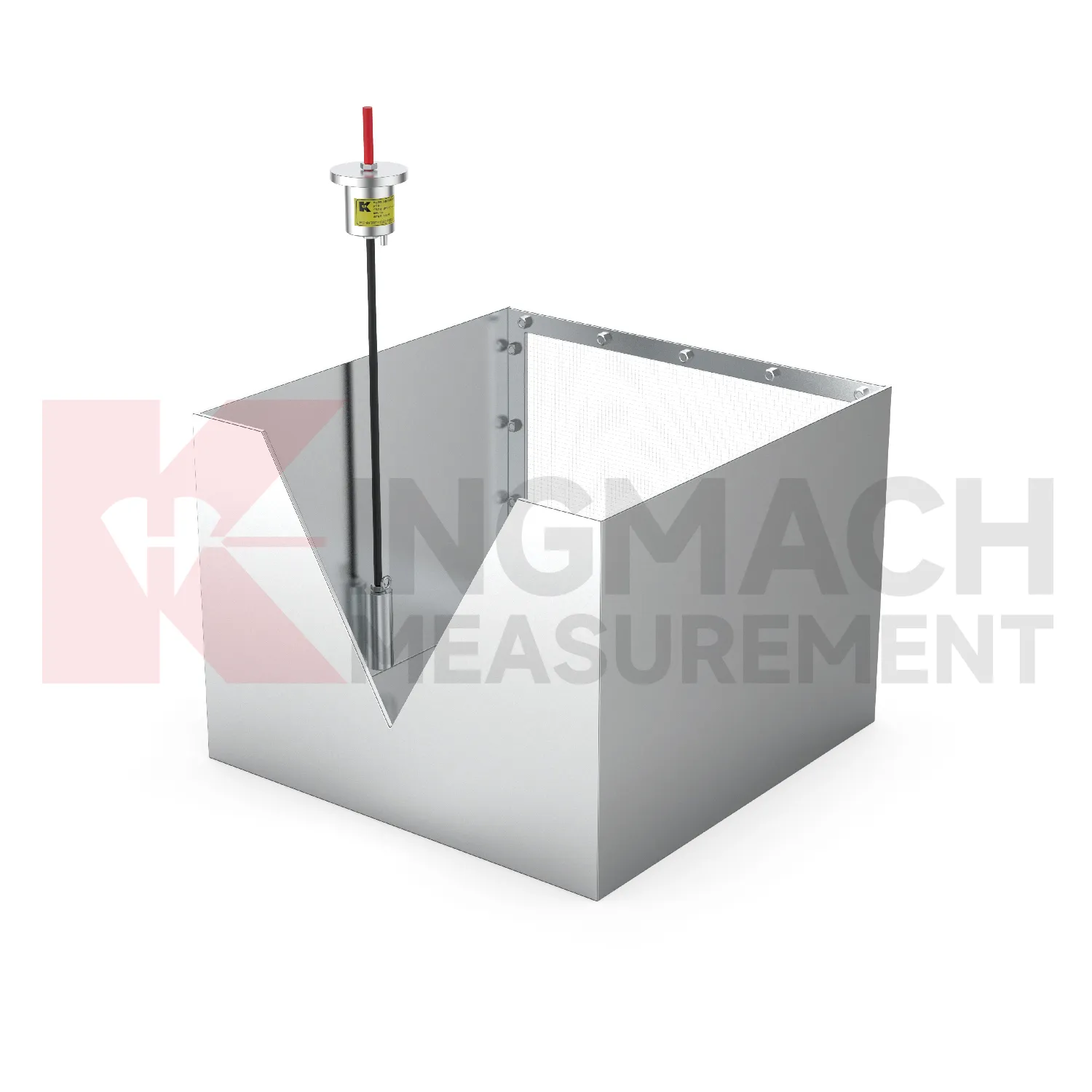
Weir flow meters follow a simple working principle: flow rate is inferred from the water level upstream of a precisely shaped notch. That simplicity is often reflected in a lower weir flow meter price compared to electromagnetic or ultrasonic alternatives, but the total cost depends heavily on the design you pick and how well it matches the site. Kingmach offers a range of weir types — rectangular, V‑notch, trapezoidal — in materials like 304 stainless steel, PVC, or fiberglass, each suited to different flow ranges and chemical environments. A V‑notch weir, for instance, handles low flows accurately, while a rectangular weir suits larger volumes often found in irrigation or wastewater channels. The construction is straightforward, so installation doesn’t require specialist crews, and ongoing maintenance mostly comes down to cleaning the weir crest. What sets our pricing apart is how we configure the meter. Rather than pushing a one‑size‑fits‑all kit, our application engineers review your data — flow range, channel geometry, water quality — and recommend a combination that avoids over‑engineering. That means you don’t pay for high‑end stainless when FRP will work, or for a built‑in logger if you already have one on site. The meter arrives ready to install, with the crest cut to the required dimensions and a mounting frame pre‑drilled for your channel walls. Spare parts are kept in our regional warehouses, so lead times stay short. After the sale, our team can assist remotely with commissioning questions, helping your crew get stable readings from day one. Over a five‑year service life, the absence of moving parts keeps failure rates low, and the weir’s open‑channel design eliminates pressure sensor drift that plagues some inline meters. For users who track asset performance, this translates into a low total cost per measurement point — fewer replacements, fewer service contracts, and fewer unplanned outages. If you’re comparing quotes, we encourage you to ask vendors to break down what’s included in the weir flow meter price: the sensor, the structure, mounting hardware, commissioning support, and warranty terms. Transparent pricing helps you see where you’re getting value and where you might be paying for features you don’t need.
News
Key Takeaways An alert chain needs more than a sensor: define field in...
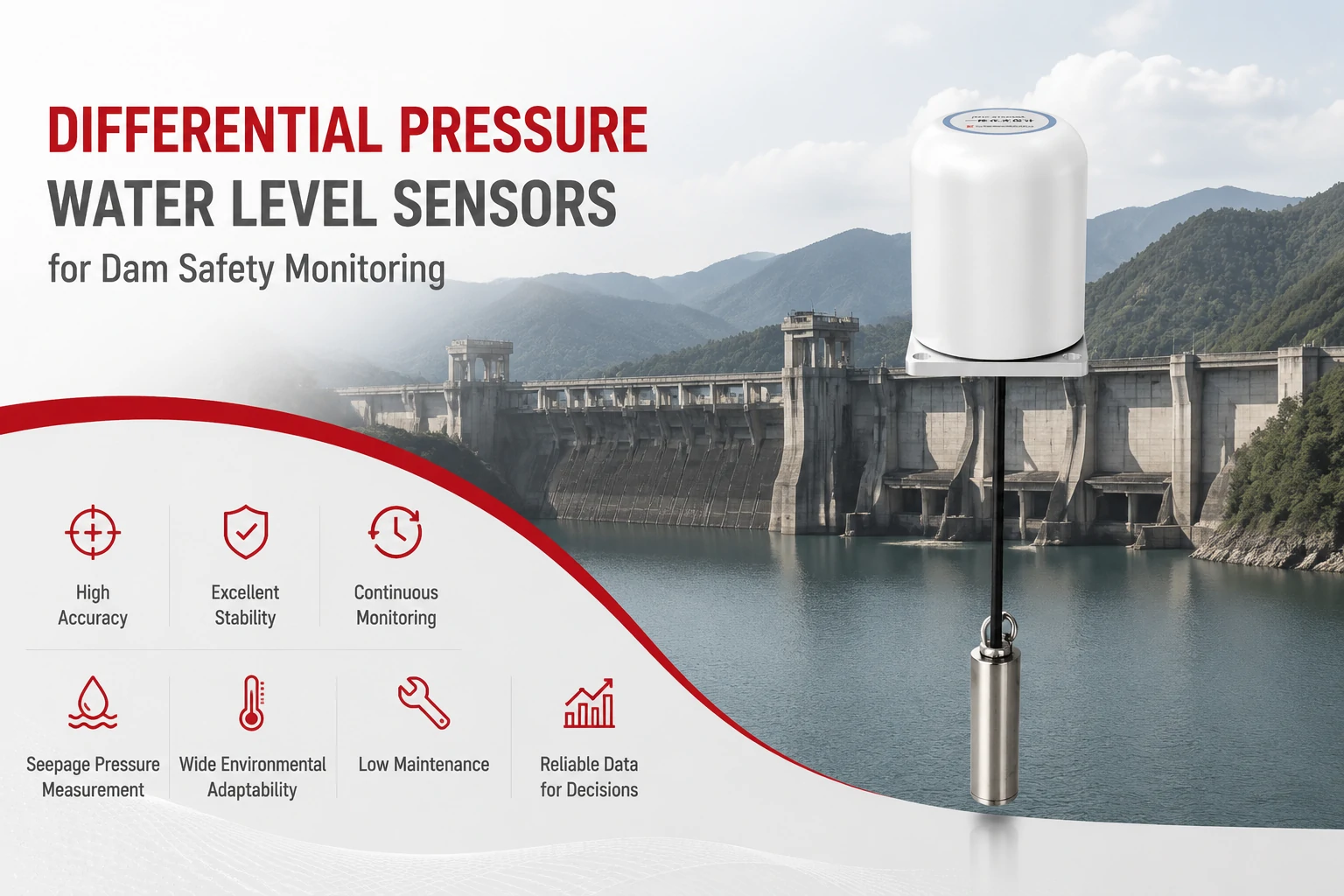
Key Takeaways The strongest fit is usually a confined, submerged, or s...
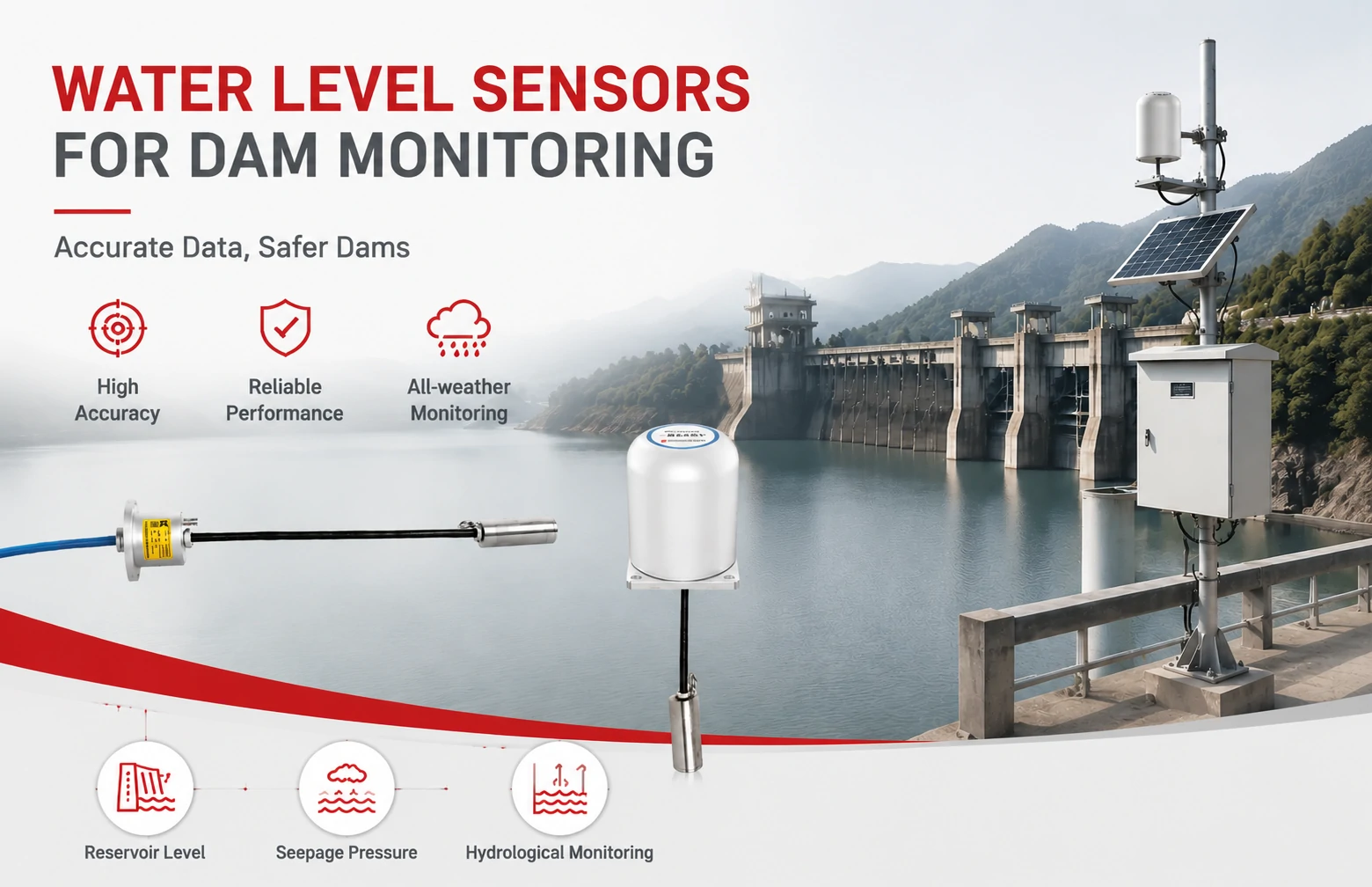
Kingmach Water Level Sensors for Dam Monitoring: A Buyer's Guide to Differential Pre...
Products
FAQ
Usually it’s the physical weir structure. Electronics are fairly standardized, but the material, size, and precision of the weir notch affect cost significantly. A large custom stainless‑steel plate with tight tolerances costs more than a standard PVC V‑notch weir. Kingmach helps you balance these choices based on your site conditions.
Yes. For short‑term deployments, we often recommend a portable weir plate kit that clamps into the channel and users your existing level sensor. This way you get accurate readings without investing in a permanent structure. The price reflects only what you actually use.
Look at the full lifecycle: initial hardware, installation time, annual maintenance, and expected years of service. Weir meters typically win on maintenance because there are no moving parts or submerged electronics. If you avoid one site visit per year compared to a mechanical meter, the savings often pay back the difference in weir flow meter price within two years.
We treat it as a standard service. Once you provide the flow range and channel specs, we size the weir and quote an all‑in price. Minor adjustments to notch angle or mounting frame don’t add a line item. Truly non‑standard materials or oversized plates may carry a surcharge, but we’ll flag that before you commit.
That’s where material selection and weir type matter. A fiberglass V‑notch paired with a proven ultrasonic level sensor can deliver lab‑grade accuracy at a fraction of the cost of an all‑stainless setup. Our engineers can model your channel and suggest a combination that hits your accuracy target while staying within your budget.
Share your product type, target capacity, and application requirements. Our team can review the details and recommend a practical next step.
If you are interested in our products or want to become our partner.
Please leave your contact information, our team will contact you as soon as possible.
Mail: [email protected]
Contact Us: +8613808434127
Address: No. 188 Tongzipo West Rd, Changsha, Hunan, China