
 EN
EN
 ar
ar bg
bg hr
hr cs
cs da
da nl
nl fi
fi fr
fr de
de el
el hi
hi it
it ko
ko no
no pl
pl pt
pt ro
ro ru
ru es
es sv
sv tl
tl iw
iw id
id lv
lv lt
lt sr
sr sk
sk sl
sl uk
uk vi
vi et
et hu
hu th
th tr
tr fa
fa ms
ms hy
hy ka
ka ur
ur bn
bn mn
mn ta
ta kk
kk uz
uz ku
ku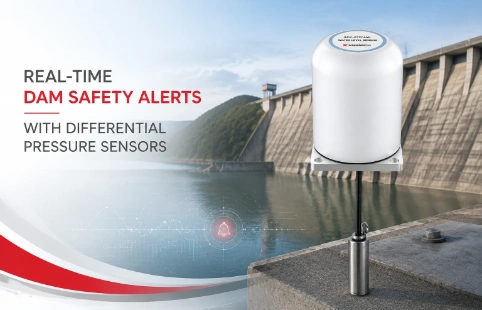
Real-Time Dam Safety Alerts with Differential Pressure Water Level Sensors
Key Takeaways An alert chain needs more than a sensor: define field in...

Typical Tipping Bucket Rain Gauge with 0.2 mm Resolution
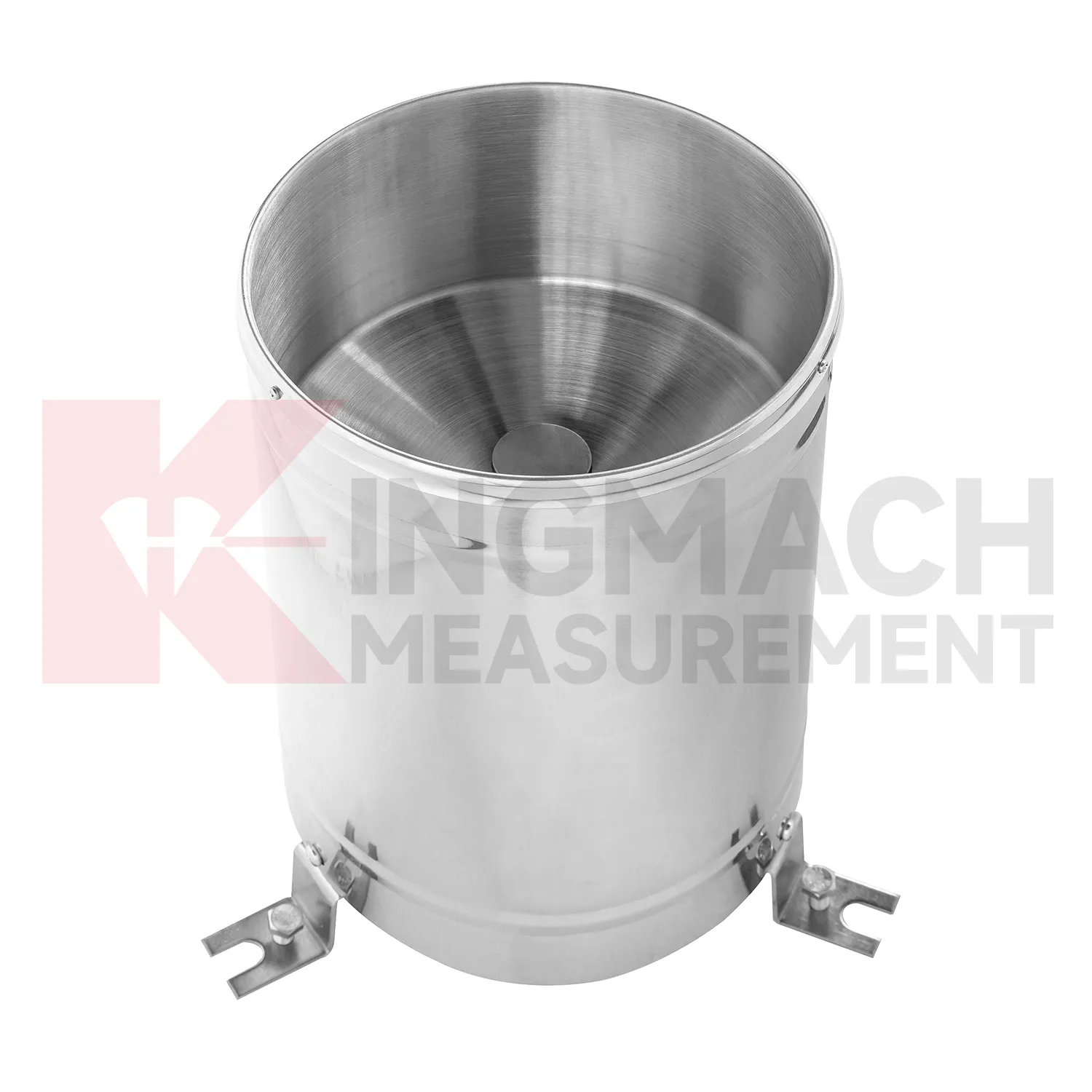
Rainfall data feeds into weather models, flood warnings, and irrigation schedules. For many of these tasks, a tipping bucket gauge with 0.2 mm resolution does the job without adding unnecessary complexity. Kingmach builds instruments for environmental and geotechnical monitoring, and their standard tipping bucket rain gauge reflects a focus on practical field performance. The 0.2 mm tip means one bucket dump equals 0.2 mm of rain—a common benchmark in national meteorological standards. Field technicians appreciate the mechanical simplicity: no moving parts beyond the bucket assembly, which translates to less maintenance and fewer calibration headaches. Whether it is part of an automated weather station or a standalone data logger setup, the gauge integrates with common pulse-output loggers. Kingmach offers customization in materials and mounting hardware to match project specs. The following sections walk through typical construction details, output options, and answers to questions that come up during specification.
Technical Detail
Kingmach Measurement & Monitoring Technology Co., Ltd. produces a typical tipping bucket rain gauge centered on a 0.2 mm resolution standard. The design relies on a stainless steel or UV-resistant plastic bucket mechanism mounted on a pivot. Each tip triggers a reed switch or Hall-effect sensor, generating a pulse that data loggers count. The 0.2 mm per tip resolution balances measurement granularity with mechanical durability—finer resolutions exist but can clog or bounce more often in heavy rain. The funnel area is normally 200 cm² or 314 cm², with a standard orifice to minimize splash-out. Components exposed to weather use powder-coated aluminum or engineering plastics to resist corrosion. Output is typically a simple switch closure or TTL pulse, so it pairs with most data acquisition systems used in hydrology, agriculture, and meteorological networks. Kingmach can add a siphon mechanism for high-intensity events or a heating element for snow measurement, based on project requirements. By keeping the base model straightforward and offering targeted options, the company addresses routine monitoring needs without forcing users into over-specified instruments. Their global distribution network and after-sales support aim to reduce downtime when issues arise, for instance by stocking common spare parts like reed switches or bucket bearings.
News
Key Takeaways An alert chain needs more than a sensor: define field in...
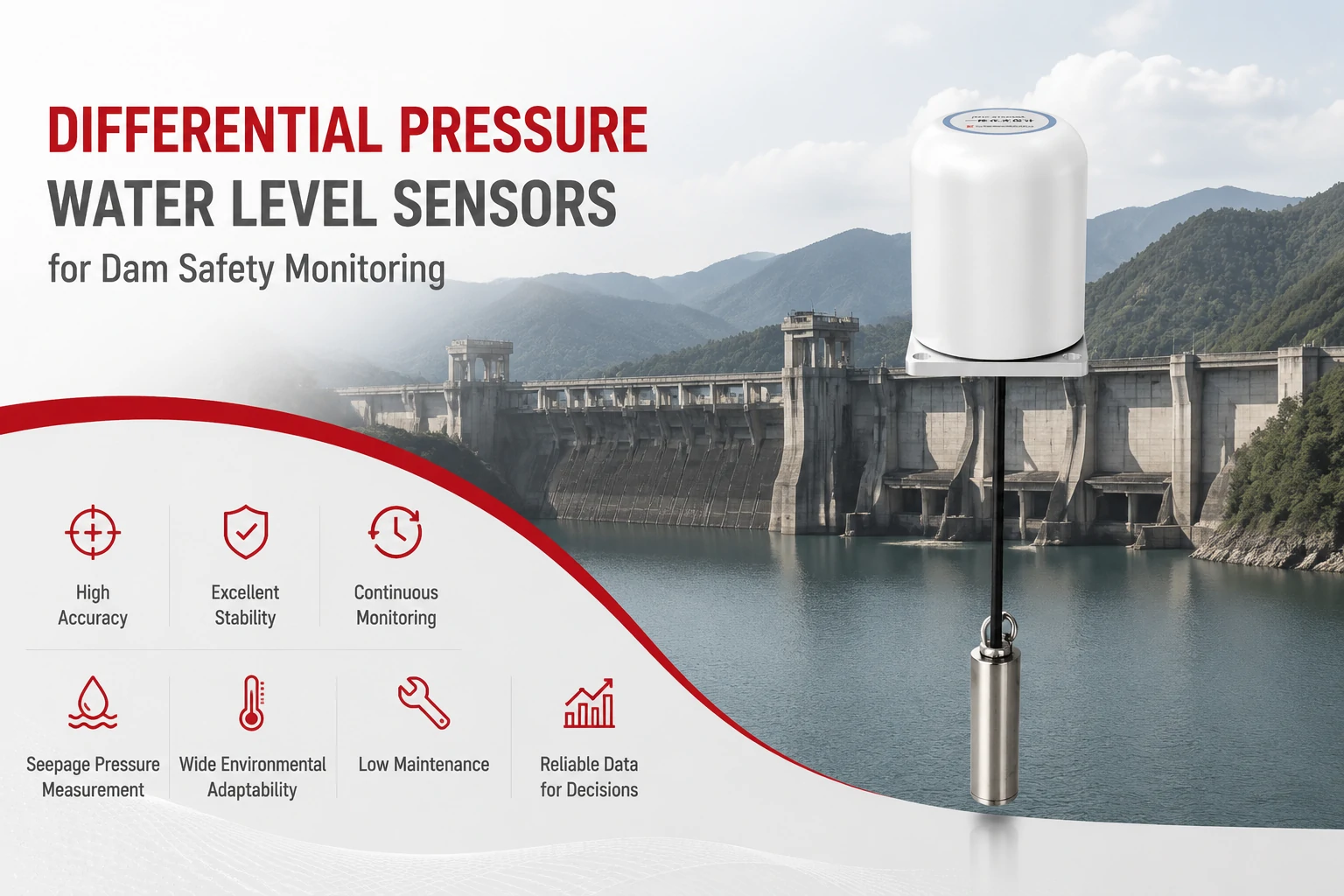
Key Takeaways The strongest fit is usually a confined, submerged, or s...
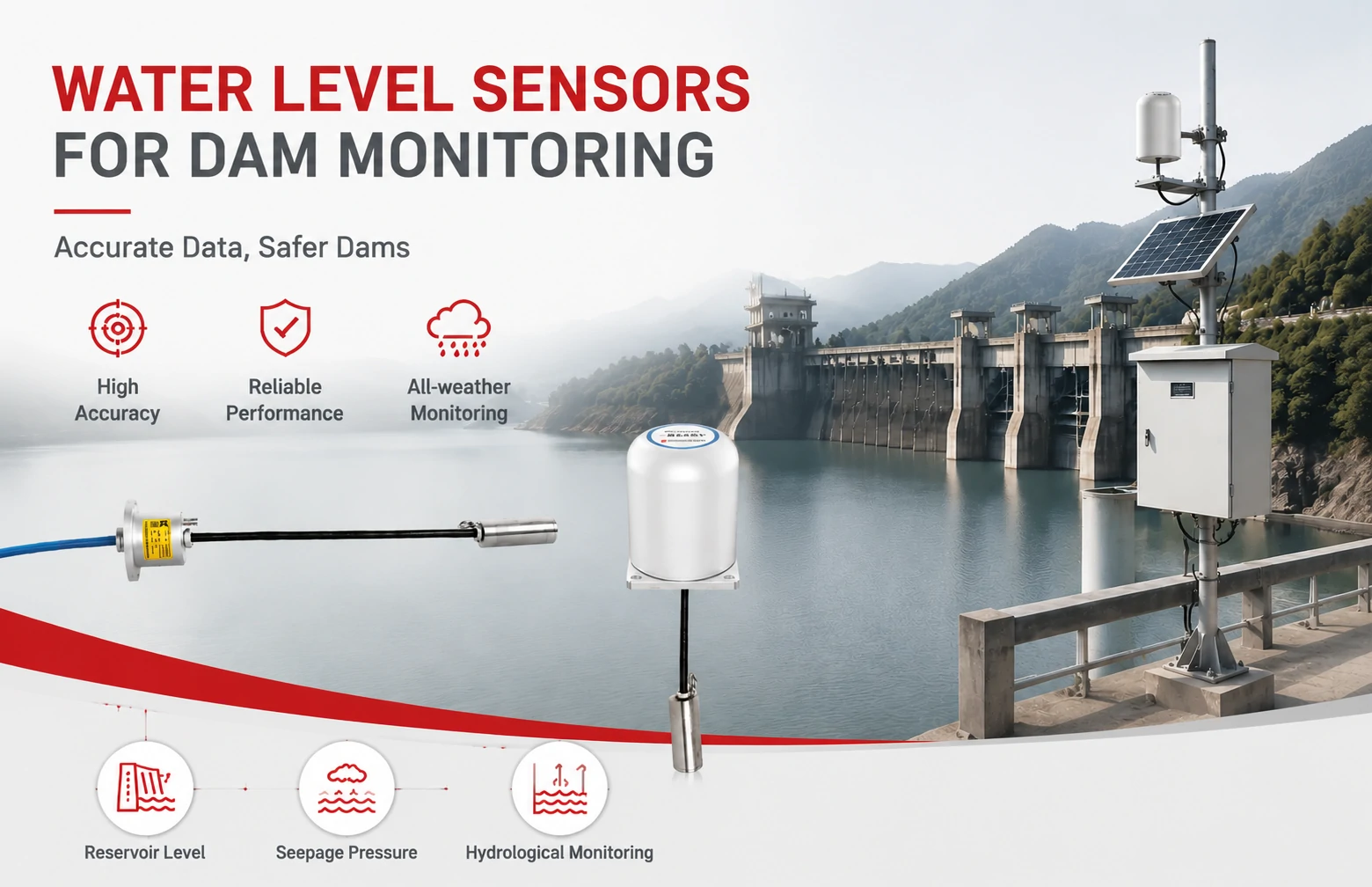
Kingmach Water Level Sensors for Dam Monitoring: A Buyer's Guide to Differential Pre...
Products
FAQ
The 0.2 mm tip is widely adopted because it offers a practical trade-off. Finer tips—say 0.1 mm—can suffer from surface tension errors and mechanical bounce in intense rainfall, while coarser tips miss light precipitation details. Many national weather services and WMO guidelines accept 0.2 mm for general-purpose monitoring, which is why it shows up in so many specs.
Most models use a magnetic reed switch that closes momentarily each time the bucket tips. This pulse is counted by a simple event logger. Some versions provide a TTL-level output for direct connection to data acquisition modules. Kingmach standard gauges come with a fixed cable length, but custom wiring can be arranged for remote sites.
Regular checks include clearing debris from the funnel screen and verifying the bucket level. In dusty or pollen-heavy areas, cleaning intervals may shorten. The pivot bearings and reed switch are typically the only wear items and can be replaced in the field with basic tools. Kingmach provides a calibration kit for field checks if needed.
Yes. For high-latitude sites, a thermostatically controlled heating element prevents snow buildup and allows meltwater measurement. In tropical monsoon areas, a reinforced base and larger syphoning capacity handle downpours exceeding 500 mm/h. Discuss your site conditions with Kingmach applications engineers to adapt materials and accessories.
Share your product type, target capacity, and application requirements. Our team can review the details and recommend a practical next step.
If you are interested in our products or want to become our partner.
Please leave your contact information, our team will contact you as soon as possible.
Mail: [email protected]
Contact Us: +8613808434127
Address: No. 188 Tongzipo West Rd, Changsha, Hunan, China