
 EN
EN
 ar
ar bg
bg hr
hr cs
cs da
da nl
nl fi
fi fr
fr de
de el
el hi
hi it
it ko
ko no
no pl
pl pt
pt ro
ro ru
ru es
es sv
sv tl
tl iw
iw id
id lv
lv lt
lt sr
sr sk
sk sl
sl uk
uk vi
vi et
et hu
hu th
th tr
tr fa
fa ms
ms hy
hy ka
ka ur
ur bn
bn mn
mn ta
ta kk
kk uz
uz ku
ku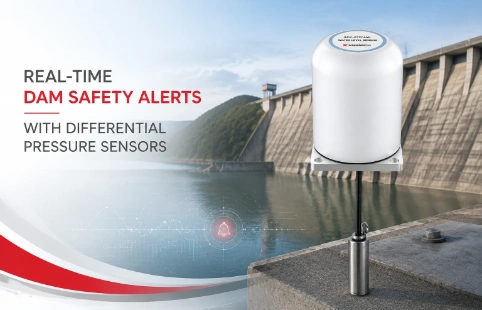
Real-Time Dam Safety Alerts with Differential Pressure Water Level Sensors
Key Takeaways An alert chain needs more than a sensor: define field in...

Wireless Temperature Humidity Data Loggers
Checking temperature and humidity in remote storage areas often means sending someone on site. A wireless data logger changes that. It collects readings at set intervals and transmits them through a radio signal to a receiver or gateway. From there, the data lands in a software dashboard or gets pushed to a mobile alert. That means you catch a refrigeration failure before product spoils, without being on the floor. Kingmach builds these loggers as part of a wider monitoring range, mostly for geotechnical and environmental projects. But the hardware adapts to cold chain, cleanrooms, and archives too. The models can handle conditions from -40 °C to 85 °C and 0–100 % relative humidity, with sensor probes available for tighter spaces. Because the brand focuses on industrial and research users, the devices are intended for long-term reliability rather than consumer convenience. They also support common wireless protocols, so integration with existing monitoring software is usually feasible. Users who need a specific data format or alarm logic can work with the factory for adjustments.
Technical Detail
Kingmach's wireless temperature and humidity data loggers run on a radio frequency like 433 MHz or 2.4 GHz, depending on the region and required range. In open air, line-of-sight transmission often reaches several hundred meters. Indoors, walls and machinery reduce that, but multiple loggers can form a mesh or star network to cover larger buildings. The sensor element typically uses a semiconductor-based humidity chip alongside a platinum resistance thermometer, giving a stability that holds up across thousands of cycles. Users may see typical accuracy around ±0.5 °C for temperature and ±3 %RH for humidity, though actual numbers depend on the calibration range ordered. Battery life varies with logging interval: a logger recording every 10 minutes might last over a year on a single lithium cell; more frequent sampling cuts that shorter. Loggers usually store data locally as a backup, holding tens of thousands of records. Access to data depends on the gateway configuration—some sites keep a local PC-based receiver, others push to a cloud server for browser access. Because Kingmach manufactures at scale for monitoring projects, many non-standard requests are possible: longer cables, alternative power supplies, custom alarm thresholds, or integration with third-party systems via Modbus or analog outputs. Their technical team often works with engineering firms on such specifications. For global shipments, the devices come with calibration certificates traceable to national standards if requested, and after-sales support is handled via regional distributors or direct communication with the factory.
News
Key Takeaways An alert chain needs more than a sensor: define field in...
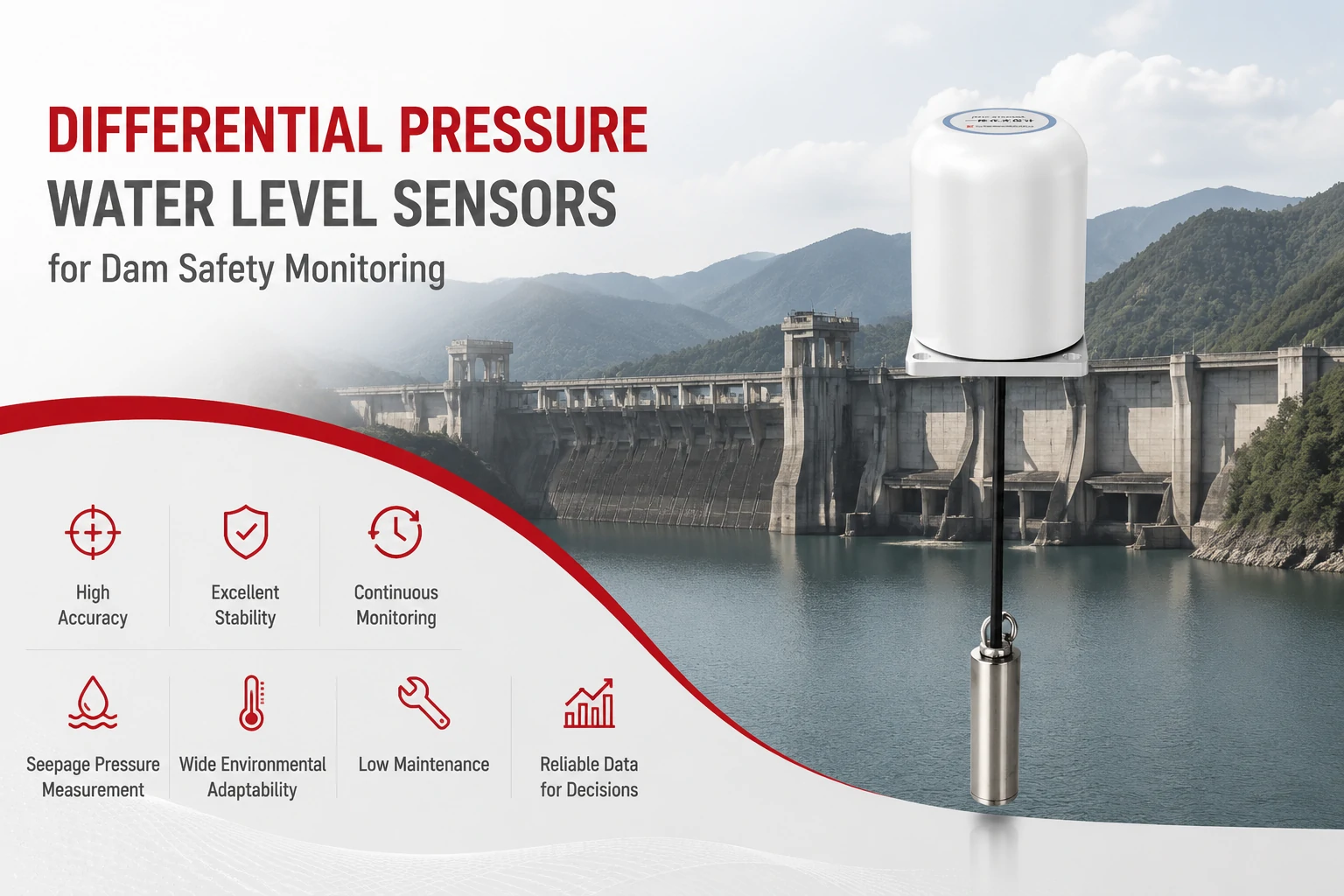
Key Takeaways The strongest fit is usually a confined, submerged, or s...
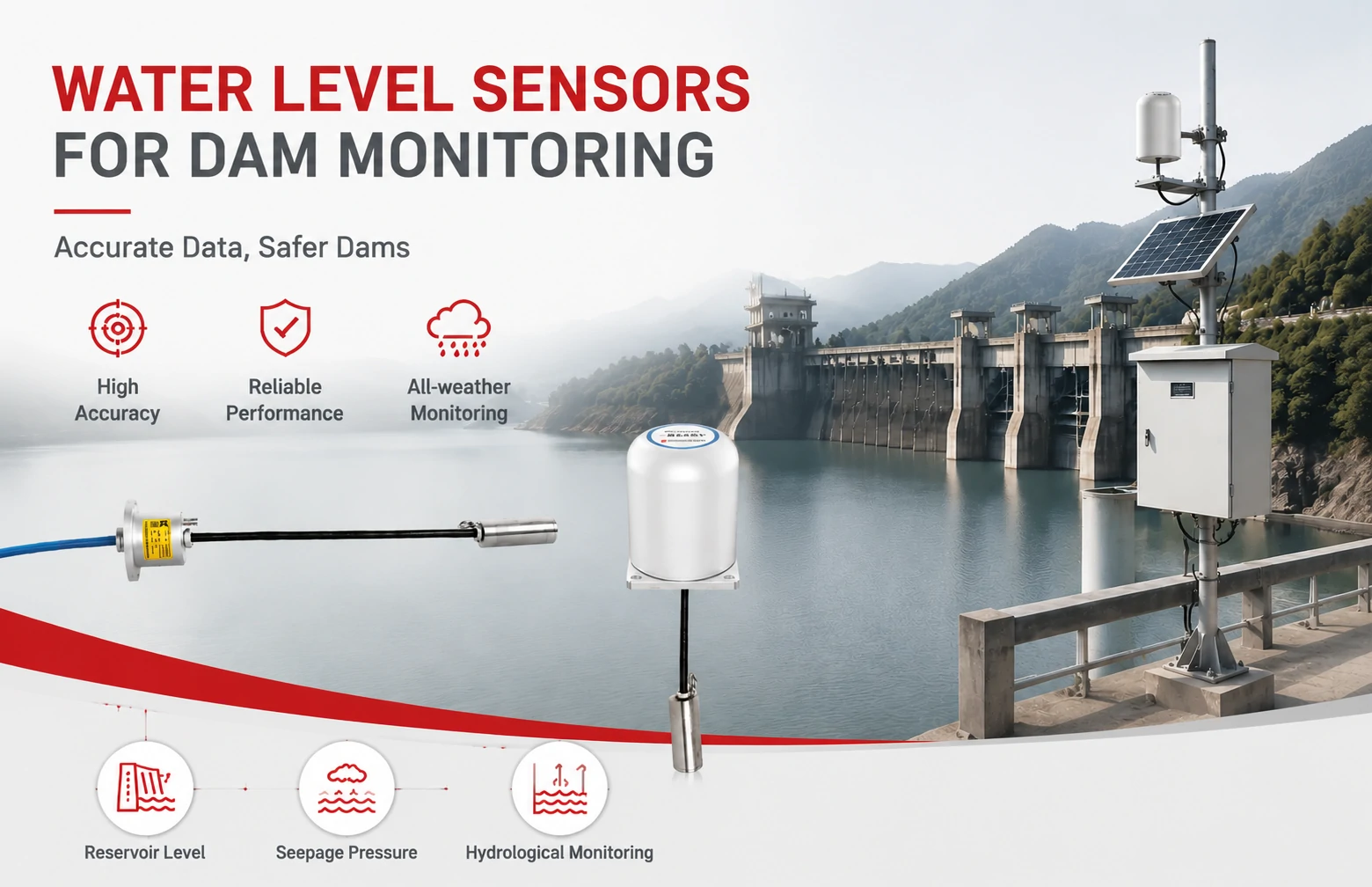
Kingmach Water Level Sensors for Dam Monitoring: A Buyer's Guide to Differential Pre...
Products
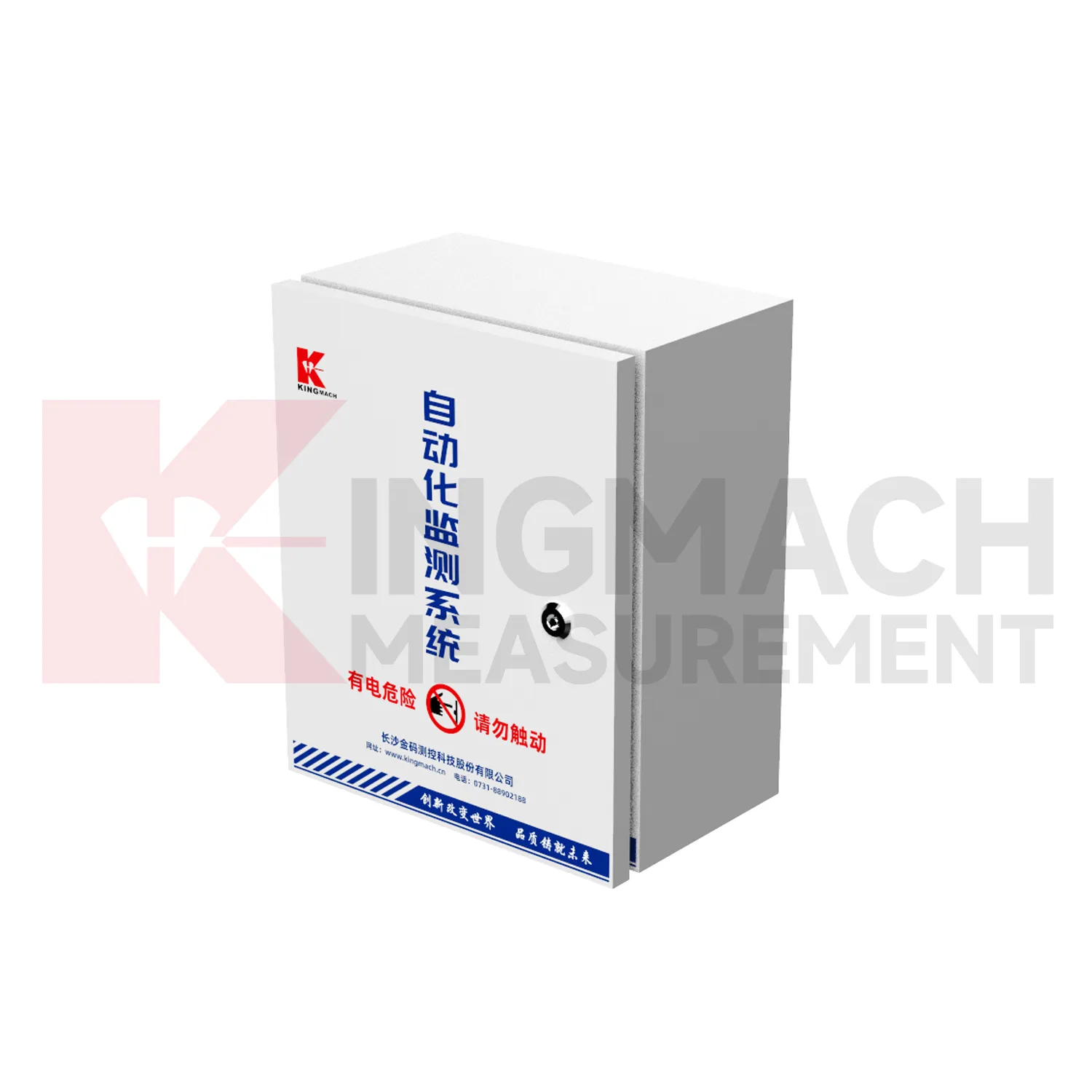
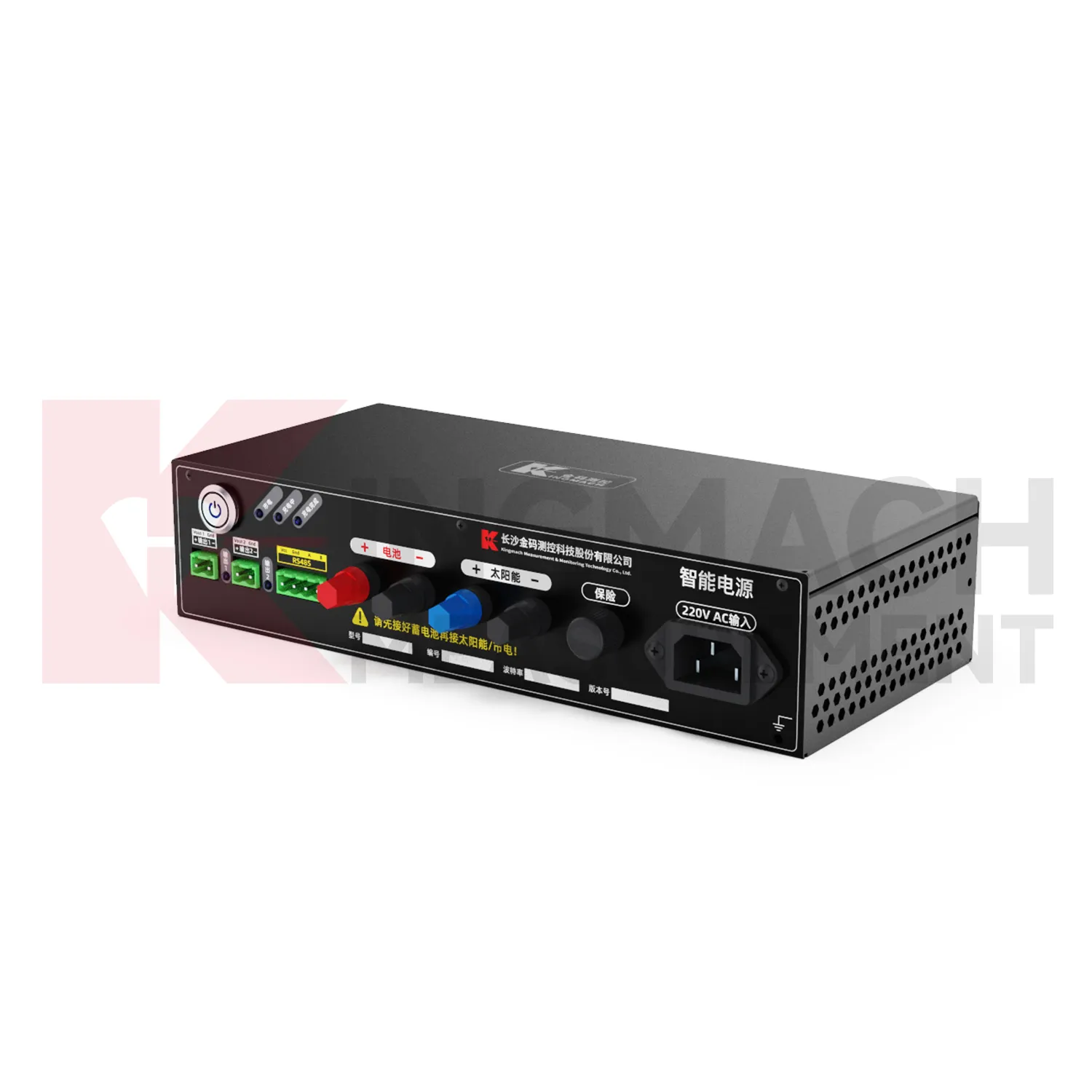
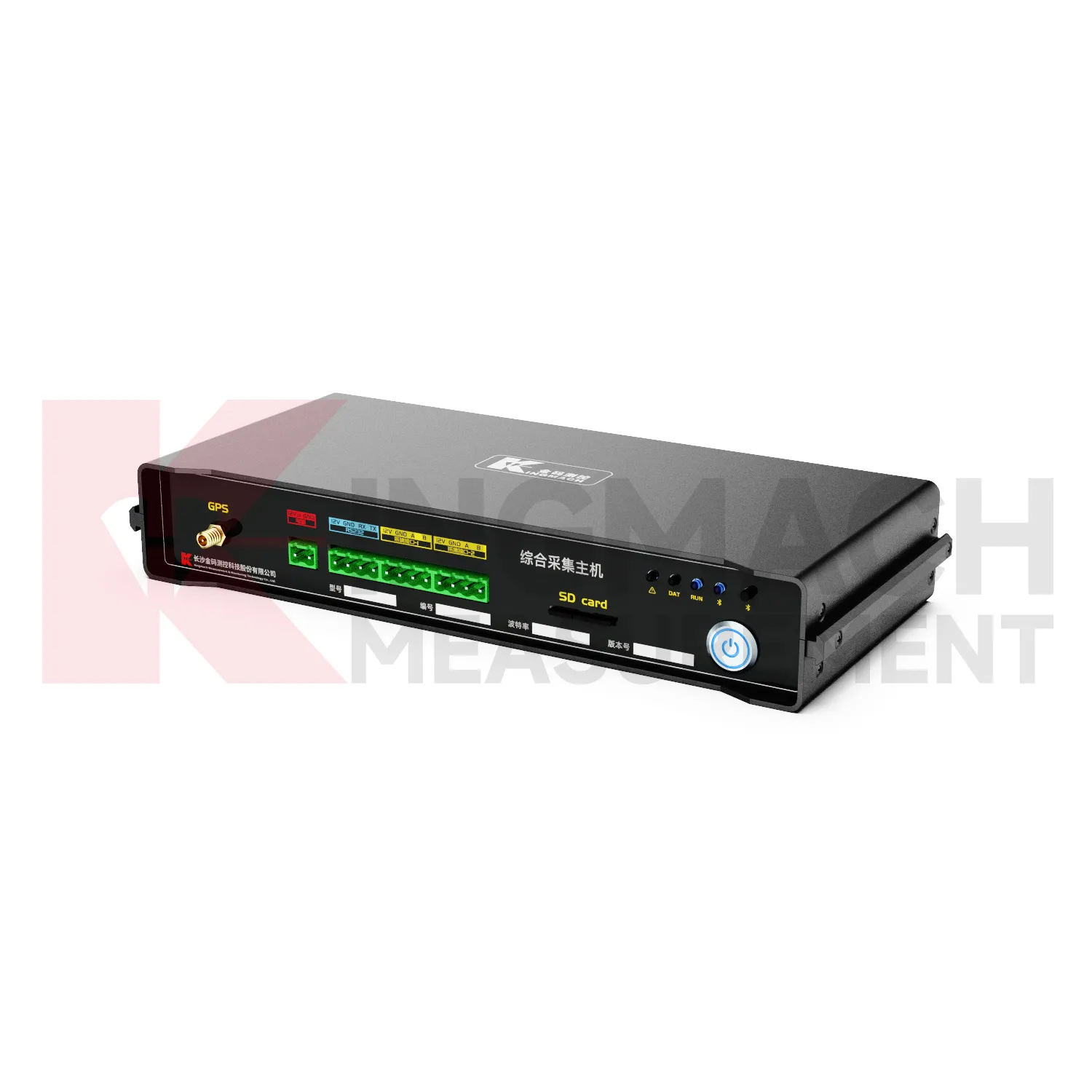
Comprehensive Acquisition Host Unit JMZX-5ZH
View DetailsFAQ
It depends heavily on construction materials and interference. In a metal racking environment with concrete walls, expect a reliable range of 30–50 meters per hop. Adding repeaters or using a mesh topology can extend coverage across larger facilities.
Most likely yes. The gateways often output data via Modbus TCP or RTU, and some models support analog 4–20 mA outputs. If your system uses a different protocol, the factory can check whether a custom firmware bridge is feasible.
With a 10-minute logging interval and daily transmission, a single lithium battery typically lasts 12–18 months. If you sample every minute, battery life drops to around 3–4 months. The logger gives a low-battery warning in software so you can plan the swap during a routine visit.
The standard calibration usually specs ±0.5 °C and ±3 %RH at 25 °C. In a cold room, the temperature accuracy might drift slightly, to around ±0.8 °C, which is still suitable for most pharma storage needs. If you require tighter accuracy at low temperatures, Kingmach can calibrate the unit specifically for that range.
Yes, you can select probes with IP65-rated housings and sintered metal caps that block moisture ingress while allowing air exchange. These are common in high-humidity chambers and outdoor locations. You just need to specify it when ordering, as the standard probe is designed for general indoor use.
Share your product type, target capacity, and application requirements. Our team can review the details and recommend a practical next step.
If you are interested in our products or want to become our partner.
Please leave your contact information, our team will contact you as soon as possible.
Mail: [email protected]
Contact Us: +8613808434127
Address: No. 188 Tongzipo West Rd, Changsha, Hunan, China