
 EN
EN
 ar
ar bg
bg hr
hr cs
cs da
da nl
nl fi
fi fr
fr de
de el
el hi
hi it
it ko
ko no
no pl
pl pt
pt ro
ro ru
ru es
es sv
sv tl
tl iw
iw id
id lv
lv lt
lt sr
sr sk
sk sl
sl uk
uk vi
vi et
et hu
hu th
th tr
tr fa
fa ms
ms hy
hy ka
ka ur
ur bn
bn mn
mn ta
ta kk
kk uz
uz ku
ku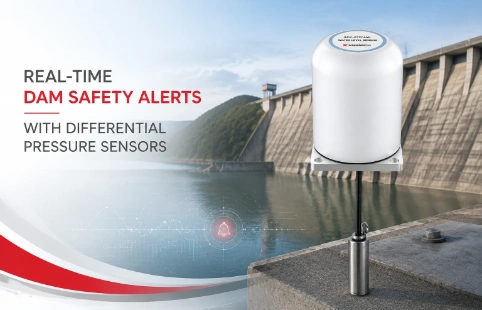
Real-Time Dam Safety Alerts with Differential Pressure Water Level Sensors
Key Takeaways An alert chain needs more than a sensor: define field in...

Load Cell Transmitters: From mV to Industry-Standard Signals
The mV signal from a load cell is fragile. Noise from nearby motors, temperature swings, or simple cable length can distort readings before they reach your data logger. A load cell transmitter tackles this by converting the sensor's output right at the source into a robust 4-20 mA or 0-10 V signal that shrugs off interference. At Kingmach, we don't just slap a generic amplifier into a box. Our transmitters are built with the field in mind—whether that's a dusty construction site or a long-term geotechnical borehole. They deliver clean, linearized data to PLCs, remote terminals, and wireless nodes, keeping your monitoring chain intact. We offer fixed or adjustable gain versions, and our team regularly works with engineers to match excitation, filtering, and output scaling to specific load cells. The result is a signal you can trust, from an instrument that doesn't need constant fiddling.
Technical Detail
A load cell transmitter has to do more than just amplify. It needs to reject common-mode noise, handle supply voltage swings, and maintain accuracy outdoors. Kingmach transmitters address these realities with a handful of practical choices. Output can be 4-20 mA (2-wire loop powered) or 0-10 V, making them easy to drop into existing panels or SCADA systems. The housing is compact and typically DIN-rail mountable, with pluggable screw terminals for fast installation. Inside, precision op-amp circuits and selectable filtering let you dial in the right balance between speed and noise suppression—a must when the signal travels hundreds of meters. Calibration is straightforward via multi-turn trimpots, and for high channel counts, we can supply custom enclosures. Since our background is geotechnical instrumentation, we understand the pain of trying to extract usable data from sensors buried in concrete or soil. That's why our transmitters go through burn-in testing and offer options like 3-way isolation for ground loop elimination. When standard specs won't cut it, our engineers can tweak gain ranges to match unusual load cell sensitivities—something we do regularly for monitoring projects.
News
Key Takeaways An alert chain needs more than a sensor: define field in...
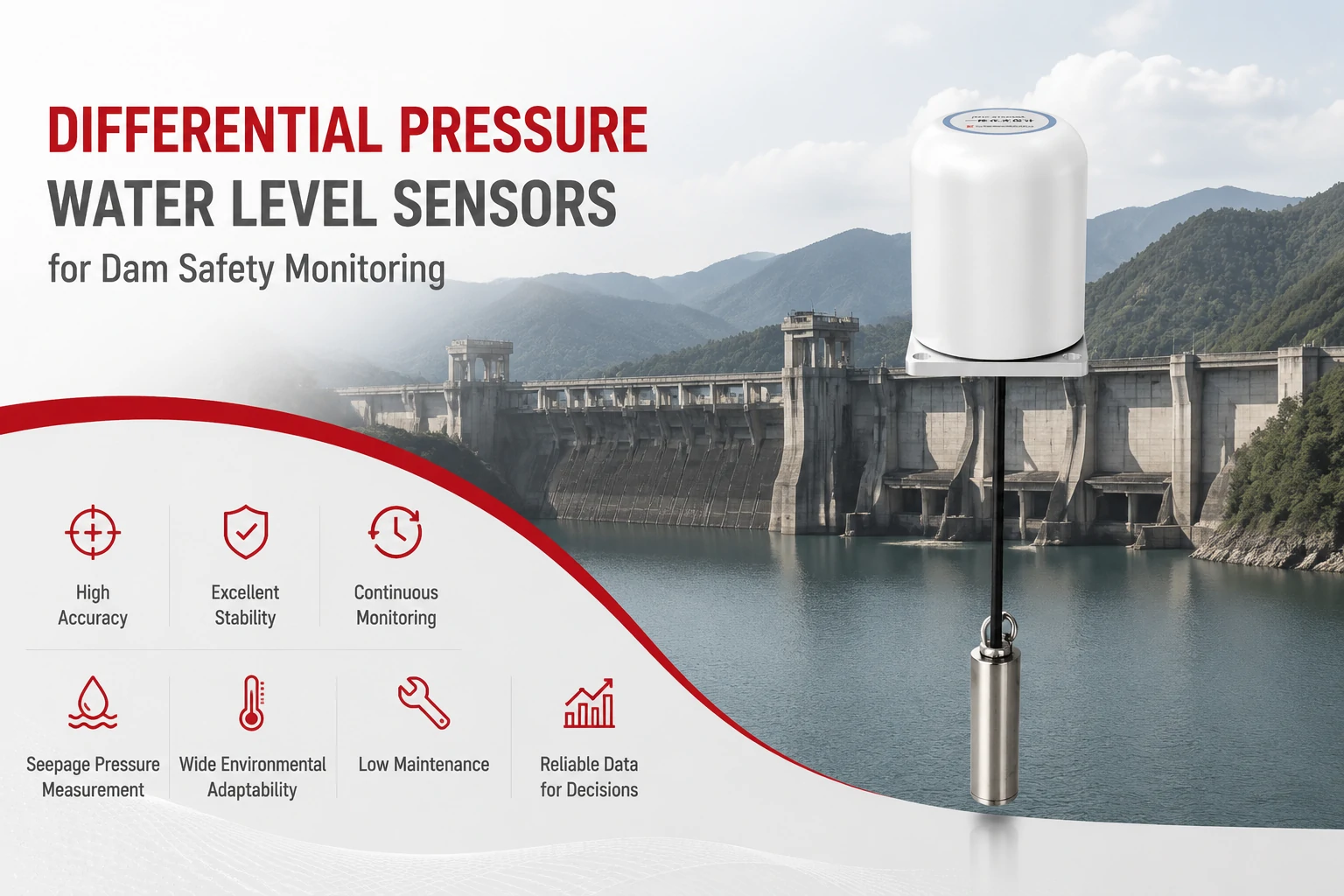
Key Takeaways The strongest fit is usually a confined, submerged, or s...
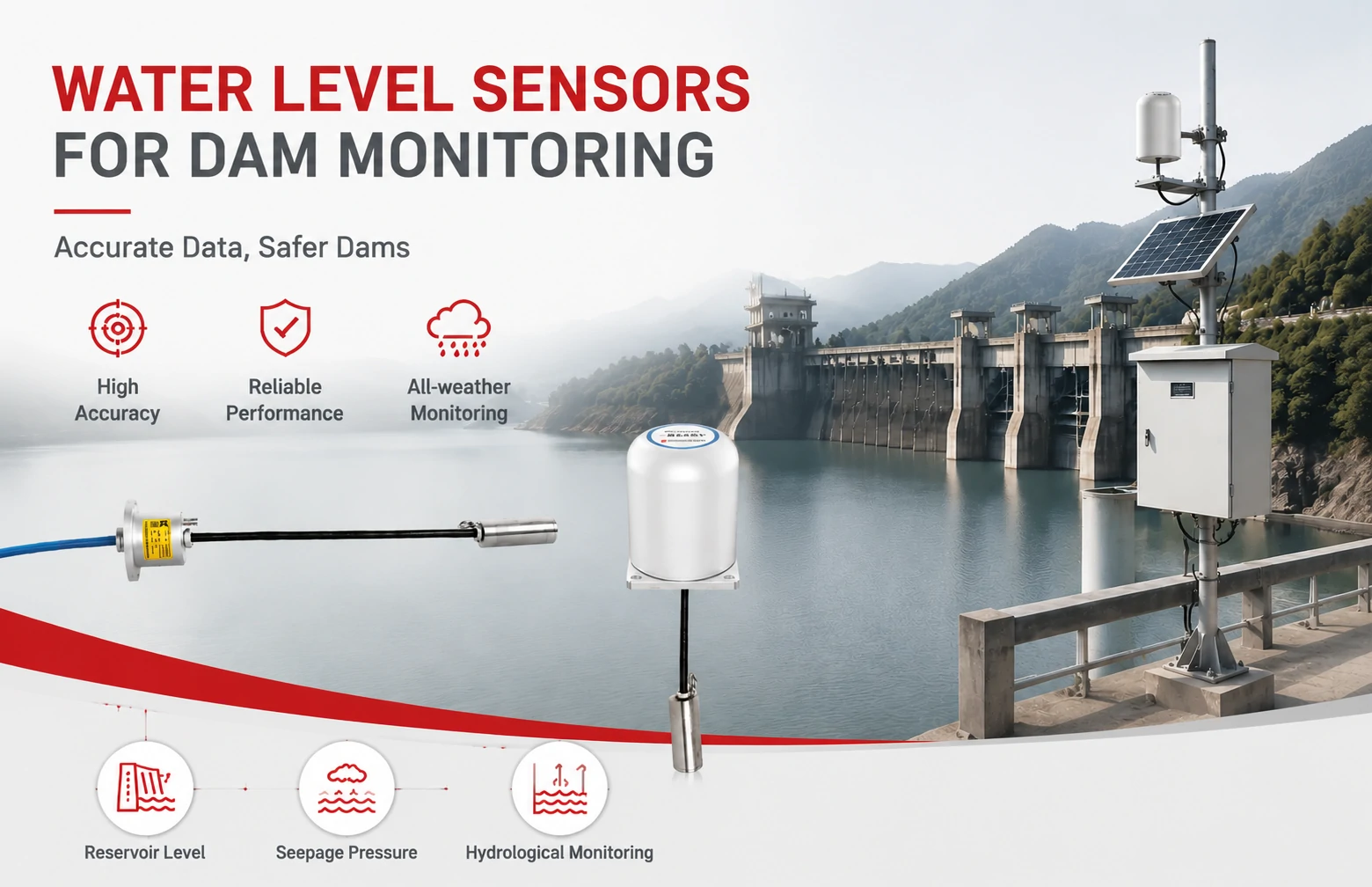
Kingmach Water Level Sensors for Dam Monitoring: A Buyer's Guide to Differential Pre...
Products
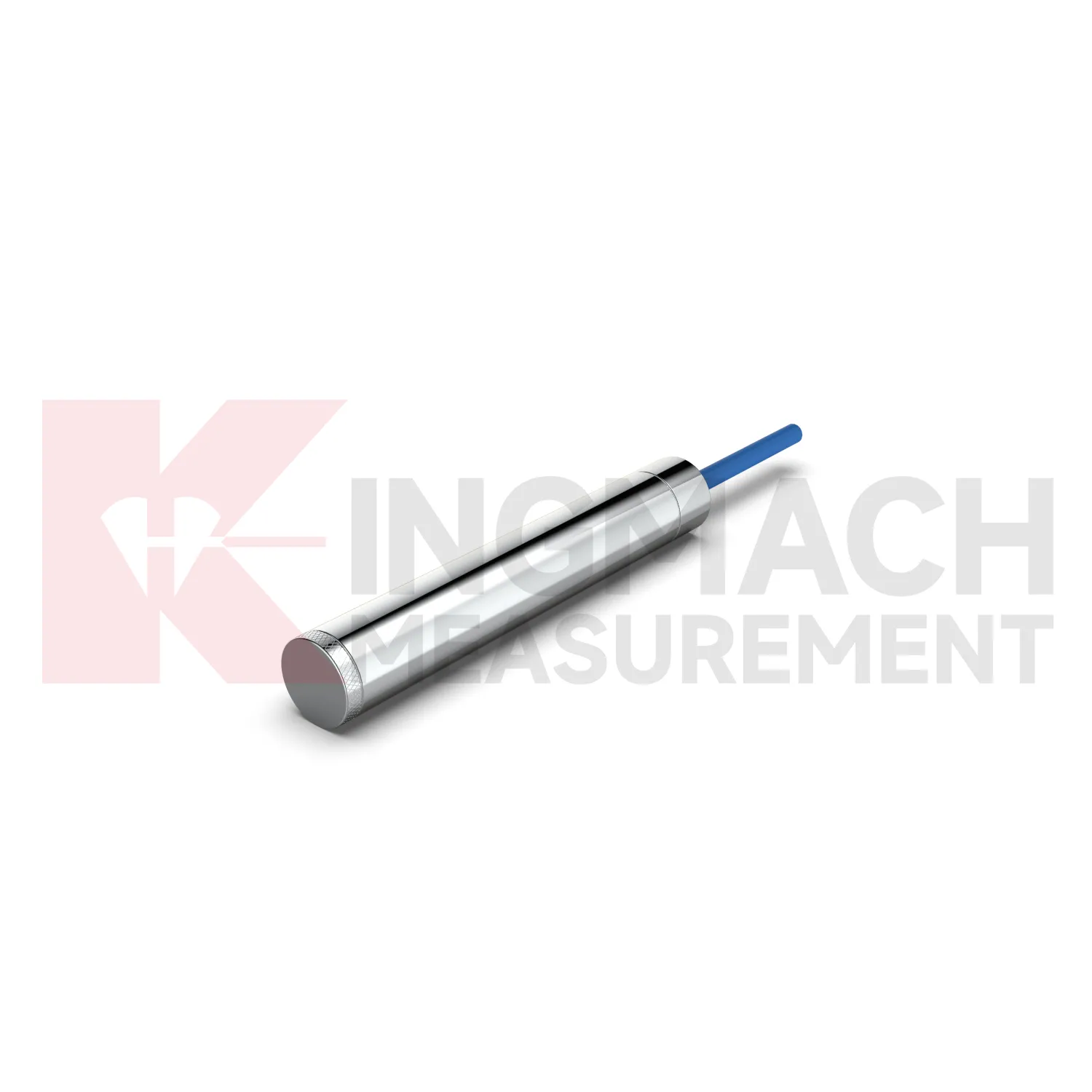
Smart Vibrating Wire PiezometerSmart Piezometers (VW) JMZX-55XXHAT
View Details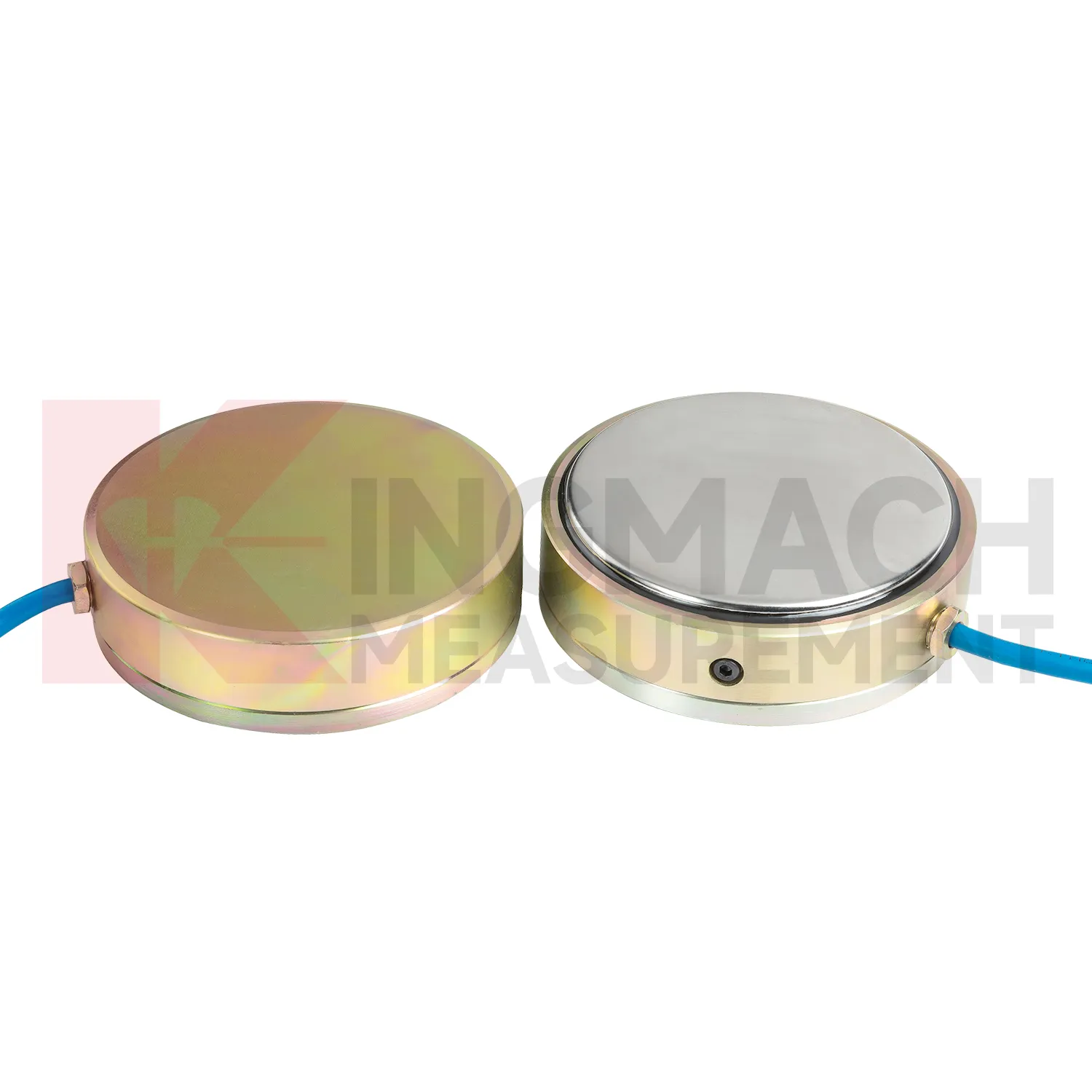
Earth Pressure Cell ( VW & Smart Type) JMZX-50XXAT/ ATM
View Details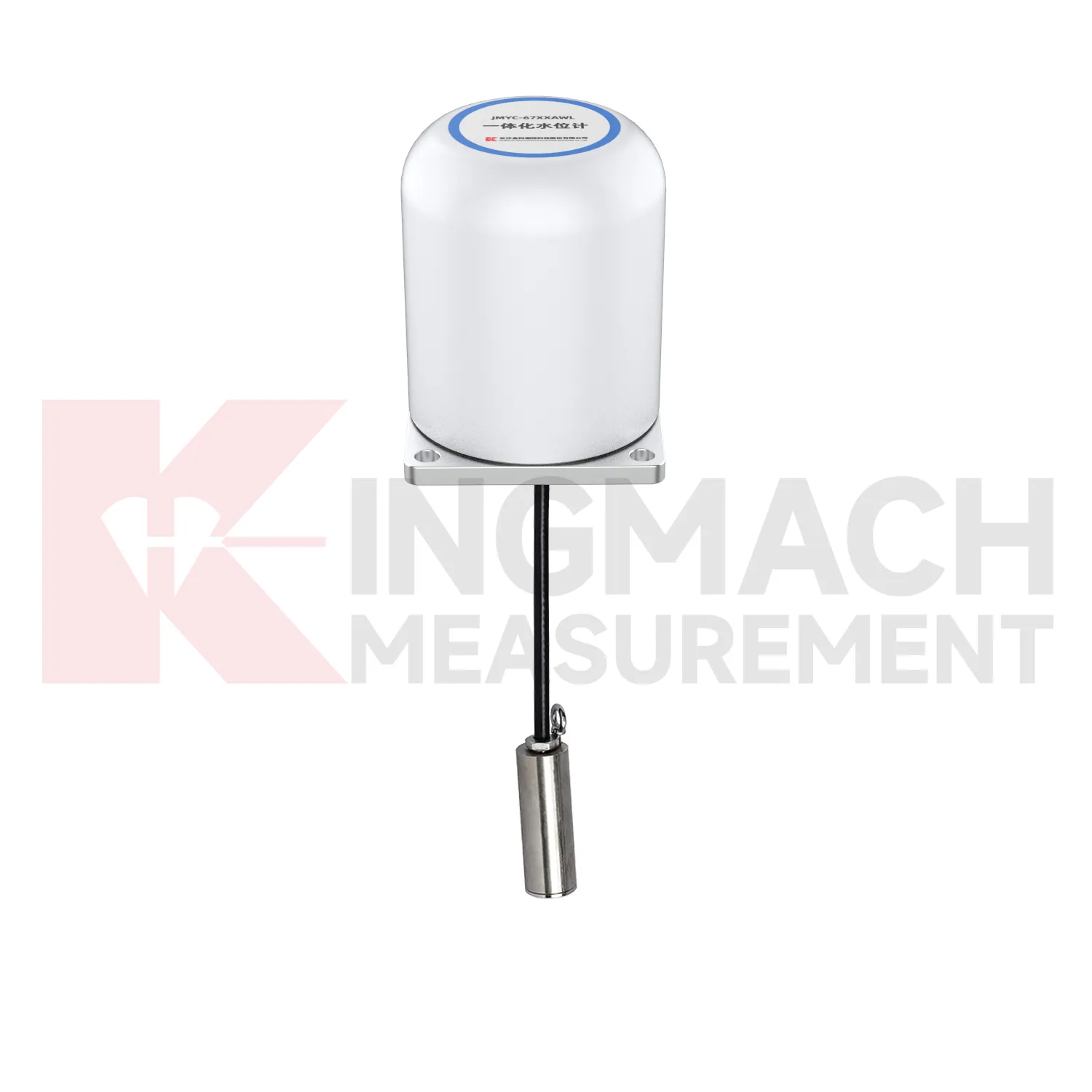
Integrated Wide-Range Differential Pressure Water Level Meter JMYC-67XXAWL
View DetailsFAQ
It depends on your control system and cable distance. 4-20 mA is immune to voltage drop and noise, so it works better for runs over 10 meters. It also lets you power the transmitter via the same two wires. 0-10 V is fine for short connections to PLC analog inputs and doesn't require a special current receiver. If you're not sure, sending us a diagram of your setup helps us recommend the right option.
Most standard load cell transmitters are single-channel. If you need to sum or average signals from multiple cells, we recommend using a junction box that combines the mV outputs first, then feeds the summed signal into the transmitter. We also have multi-channel modules for more complex applications, but those are often built into a larger monitoring system. Let us know your application and we'll suggest the most cost-effective approach.
The standard housing usually rates IP65 for dust and water jets, which covers most outdoor cabinets. For direct burial or immersion, an IP68 enclosure is available on request. Keep in mind that terminal connections still need to be sealed properly. We include blanking plugs and cable glands, but it's good practice to keep the transmitter inside a secondary enclosure if it will see harsh weather continuously.
Absolutely. While off-the-shelf units cover 0-10 V or 4-20 mA with common zero/span adjustments, we frequently tailor the gain and offset for unusual load cell sensitivities or non-linear outputs. Just give us the load cell datasheet and the desired output range. This is a typical service for geotechnical instrumentation where sensors might output as low as 1 mV/V at full scale.
Most 4-20 mA loop-powered transmitters draw from the current loop itself and operate on 12-36 VDC. For 0-10 V output types, a separate 24 VDC supply (or 230 VAC with an optional PSU) is common. We label the operating voltage clearly on each unit, and we can pre-configure either option when you order.
Share your product type, target capacity, and application requirements. Our team can review the details and recommend a practical next step.
If you are interested in our products or want to become our partner.
Please leave your contact information, our team will contact you as soon as possible.
Mail: [email protected]
Contact Us: +8613808434127
Address: No. 188 Tongzipo West Rd, Changsha, Hunan, China