
 EN
EN
 ar
ar bg
bg hr
hr cs
cs da
da nl
nl fi
fi fr
fr de
de el
el hi
hi it
it ko
ko no
no pl
pl pt
pt ro
ro ru
ru es
es sv
sv tl
tl iw
iw id
id lv
lv lt
lt sr
sr sk
sk sl
sl uk
uk vi
vi et
et hu
hu th
th tr
tr fa
fa ms
ms hy
hy ka
ka ur
ur bn
bn mn
mn ta
ta kk
kk uz
uz ku
ku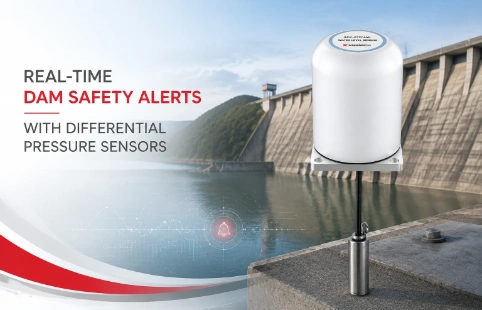
Real-Time Dam Safety Alerts with Differential Pressure Water Level Sensors
Key Takeaways An alert chain needs more than a sensor: define field in...

Intelligent Weir Flow Meter for Open Channel Flow
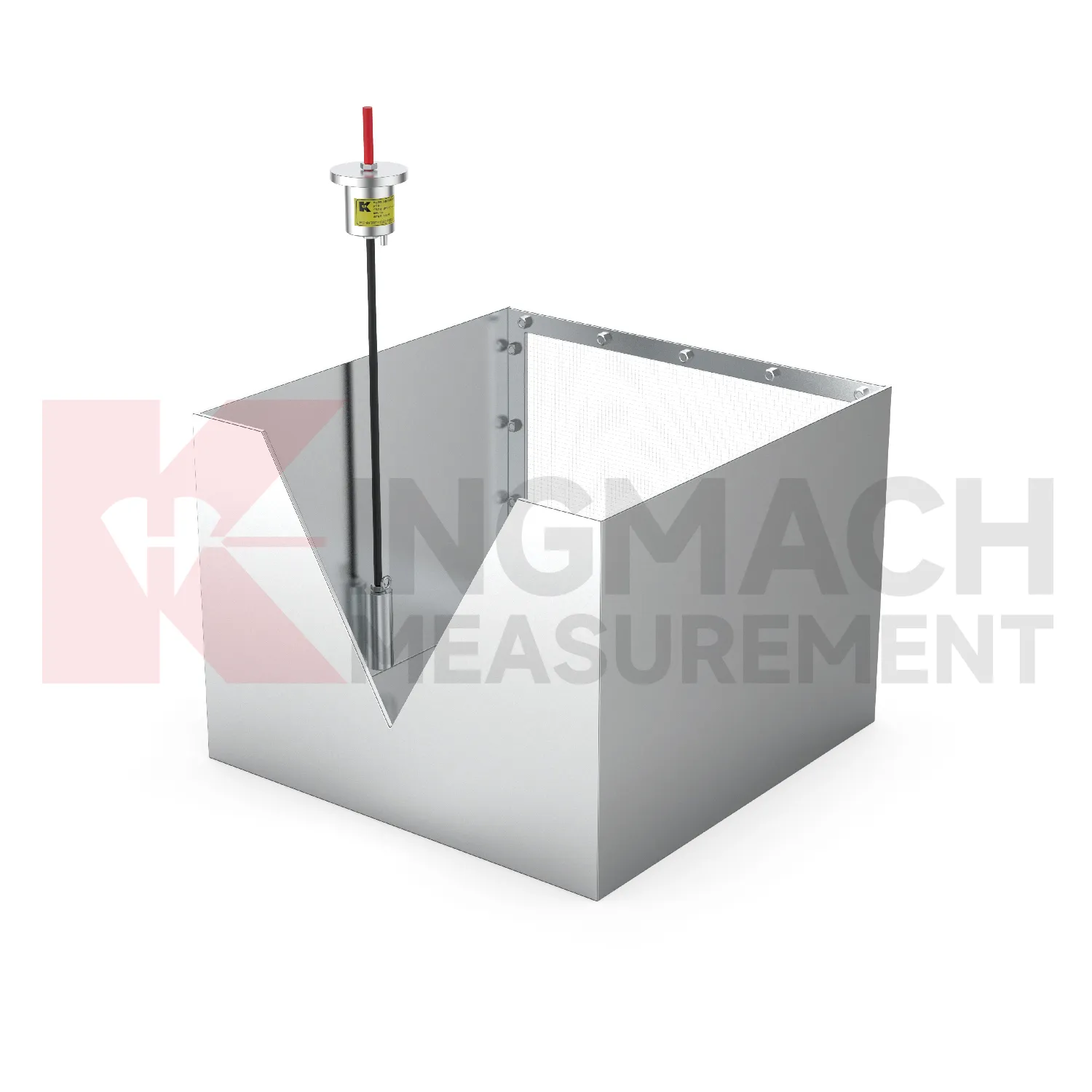
When measuring flow in open channels, the weir principle is a classic approach. However, the old-fashioned method relies on manually checking the water level and looking up the meter for conversion, which is even more troublesome during heavy rains. The smart weir flow meter combines water level collection, flow calculation and data transmission. Once the on-site sensor is installed, the secondary meter or remote transmission system can directly provide the instantaneous flow rate and accumulated water volume, eliminating the need to go to the site to read the data. As a professional manufacturer In geotechnical monitoring, Kingmach provides smart weir flowmeters that are suitable for common weir and groove types, and supports customization according to projects, such as special weir type formula entry, communication protocol matching, etc. For some scenarios such as irrigation areas, hydrological stations, and environmental protection outlets, this kind of low-integration equipment can indeed save a lot of trouble. Next, let’s take it apart and take a look at its composition and common problems encountered in actual use.
Technical Detail
The principles of smart weir flowmeters on the market are similar. They are all equipped with a water level sensor and a computing unit. The Kingmach set is based on actual engineering needs and provides sufficient flexibility in selection. For the sensor part, for clean water, a pressure-type input level gauge is sufficient, which is low-cost; for channels containing a lot of sediment or floating objects, ultrasonic or radar non-contact can be used to reduce maintenance. The flow formulas for commonly used weir types such as thin-walled weirs, wide-crested weirs, triangular weirs, and Parshall troughs are solidified in the secondary table. You only need to set the weir and trough dimensions on site without manual repeated conversions. For communication, RS485 Modbus RTU is standard. If you want remote monitoring, you can expand the 4G or LoRa module, and the data goes directly to the background. In terms of structure, the instrument casing is made of die-cast aluminum and sprayed with plastic, and the sensor cable is shielded. It is basically rainproof and dustproof outdoors. Regarding accuracy, it is generally believed in the industry that as long as the straight section is installed and the weir mouth is calibrated in place, the total system error can generally be controlled within 3%, which is no problem meeting the technical specifications for water resources monitoring. In addition to standard products, Kingmach also often receives customized orders - such as wide-temperature LCDs in low-temperature environments, multi-channel relay output linkage gates, solar power supply solutions, etc. The global distribution network and technical support mean that after the equipment is shipped, back-end services such as installation guidance and weir and tank review can keep up. For integrators or end users, not only the communication costs of purchasing multiple types of components are saved, but also the risk of later disputes.
News
Key Takeaways An alert chain needs more than a sensor: define field in...
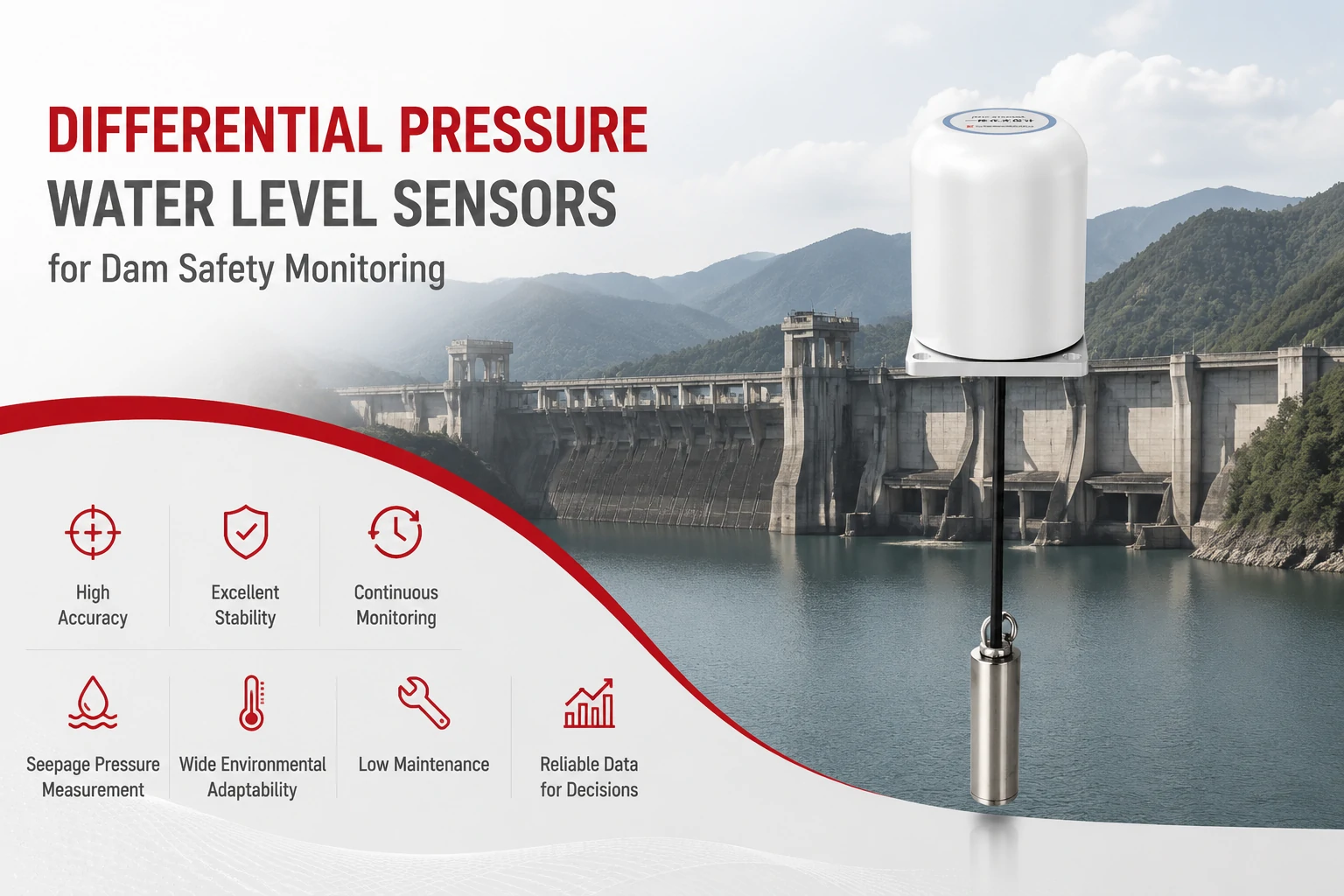
Key Takeaways The strongest fit is usually a confined, submerged, or s...
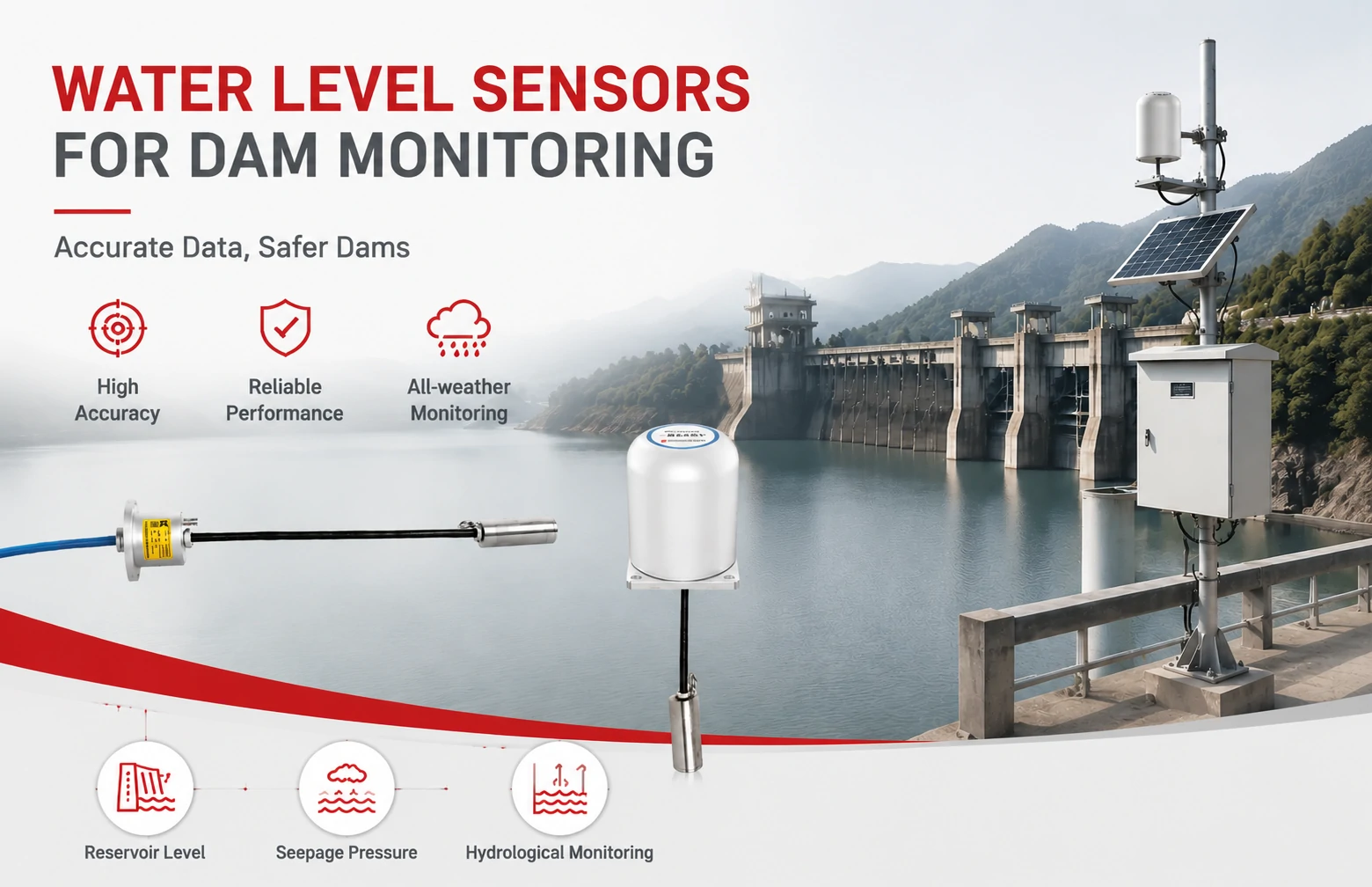
Kingmach Water Level Sensors for Dam Monitoring: A Buyer's Guide to Differential Pre...
Products
FAQ
Common thin weirs, wide-top weirs, triangular weirs, rectangular weirs and Parshall troughs are all supported, and the corresponding formulas are preset in the secondary table. If you use a non-standard weir, you can provide weir trough parameters and flow relationship curves when ordering, and the factory will help you write the meter.
The most important thing is the level of the weir and the length of the upstream and downstream straight sections. There must be at least 5 to 10 times the width of the groove upstream and 2 to 3 times the width of the downstream, otherwise the flow field will be unstable and the reading will jump. The weir plate must be vertical and the top is horizontal, otherwise the flow coefficient will change. The zero point of the sensor must also be aligned with the bottom plate of the weir. Don't install it too high or too low.
It saves labor. There is no need to go to the site to read the water level or calculate the flow rate by hand. The data is directly transmitted remotely, and high and low limit alarms can be set. When multiple pumping stations or irrigation district gate controls are linked, the standard protocol can directly send signals to the PLC or host computer, and closed-loop control is easy to implement.
Yes, but the sensor selection must be careful. If it is corrosive, easy to crystallize, or has a lot of suspended matter, it is more stable to use split ultrasonic or radar non-contact measurement. If you still use an input pressure sensor, you must regularly clean and wipe the probe, otherwise the diaphragm will be stuck and the data will be distorted.
Share your product type, target capacity, and application requirements. Our team can review the details and recommend a practical next step.
If you are interested in our products or want to become our partner.
Please leave your contact information, our team will contact you as soon as possible.
Mail: [email protected]
Contact Us: +8613808434127
Address: No. 188 Tongzipo West Rd, Changsha, Hunan, China