
 EN
EN
 ar
ar bg
bg hr
hr cs
cs da
da nl
nl fi
fi fr
fr de
de el
el hi
hi it
it ko
ko no
no pl
pl pt
pt ro
ro ru
ru es
es sv
sv tl
tl iw
iw id
id lv
lv lt
lt sr
sr sk
sk sl
sl uk
uk vi
vi et
et hu
hu th
th tr
tr fa
fa ms
ms hy
hy ka
ka ur
ur bn
bn mn
mn ta
ta kk
kk uz
uz ku
ku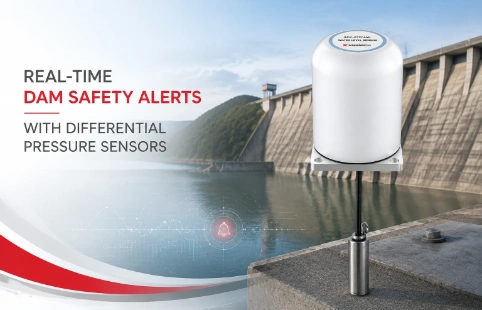
Real-Time Dam Safety Alerts with Differential Pressure Water Level Sensors
Key Takeaways An alert chain needs more than a sensor: define field in...

DTU Solutions for Reliable Geotechnical Data Transfer
In geotechnical monitoring, a DTU sits between field sensors and the server, moving measurement data without noise or delay. Kingmach supplies data transmission units that handle typical site conditions—fluctuating power, unstable cellular signals, and wide temperature swings—by leaning on practical design choices rather than marketing exaggerations. Our DTUs are part of a wider instrument range, so they fit naturally with the tiltmeters, piezometers, and extensometers already in use. Because we manufacture most of our monitoring gear, the DTU firmware and physical interfaces don’t force you into awkward adapter chains or custom protocol hacks. For projects that need non‑standard sensor counts or specific reporting intervals, we adjust the DTU configuration directly, which often removes the need for additional data loggers. This approach keeps field wiring simpler and reduces points of failure, something our field engineers see as just good practice.
Technical Detail
Kingmach’s DTU range reflects the realities of long‑term geotechnical monitoring: locations are often remote, power is seldom abundant, and data must keep arriving when conditions turn rough. The units draw from years of building compatible instruments—vibrating wire readout modules, MEMS tilt sensors, and automated total stations—so the input side works cleanly with common sensor outputs. We use standard Modbus and SDI‑12 interfaces on many models, and can accommodate 4–20 mA or RS‑485 when needed. Customization is one of the points that sets us apart as a mid‑range manufacturer. If a tunnel project requires a DTU that wakes every 30 minutes, pushes readings via NB‑IoT and local LoRa backup, then sleeps on battery power, we tune the firmware and hardware to match. Global distribution means our team helps with on‑site setup in places where mobile network bands differ from standard regions, and technical support after delivery includes firmware updates tailored to field‑observed behavior. Users often ask about longevity: because we also make the sensors, we understand that a DTU must match the 8–10 year life of a typical piezometer installation without becoming the first component to fail. The enclosures we ship are sealed to IP67 as standard, with surge protection on power and communication lines learned from lightning‑prone slope monitoring sites. The cost stays reasonable because we avoid features nobody needs. A DTU in a stable dam gallery doesn’t benefit from GPS clocking; one on a steep slope doesn’t need a touchscreen. What we build lands between the one‑size‑fits‑all universal loggers and the fragile development‑board prototypes. It is the unit that records, transmits, and when needed, stores data locally on SD cards until connectivity returns. For engineers who care about data continuity and hate troubleshooting in the rain, our DTU is a quietly dependable choice.
News
Key Takeaways An alert chain needs more than a sensor: define field in...
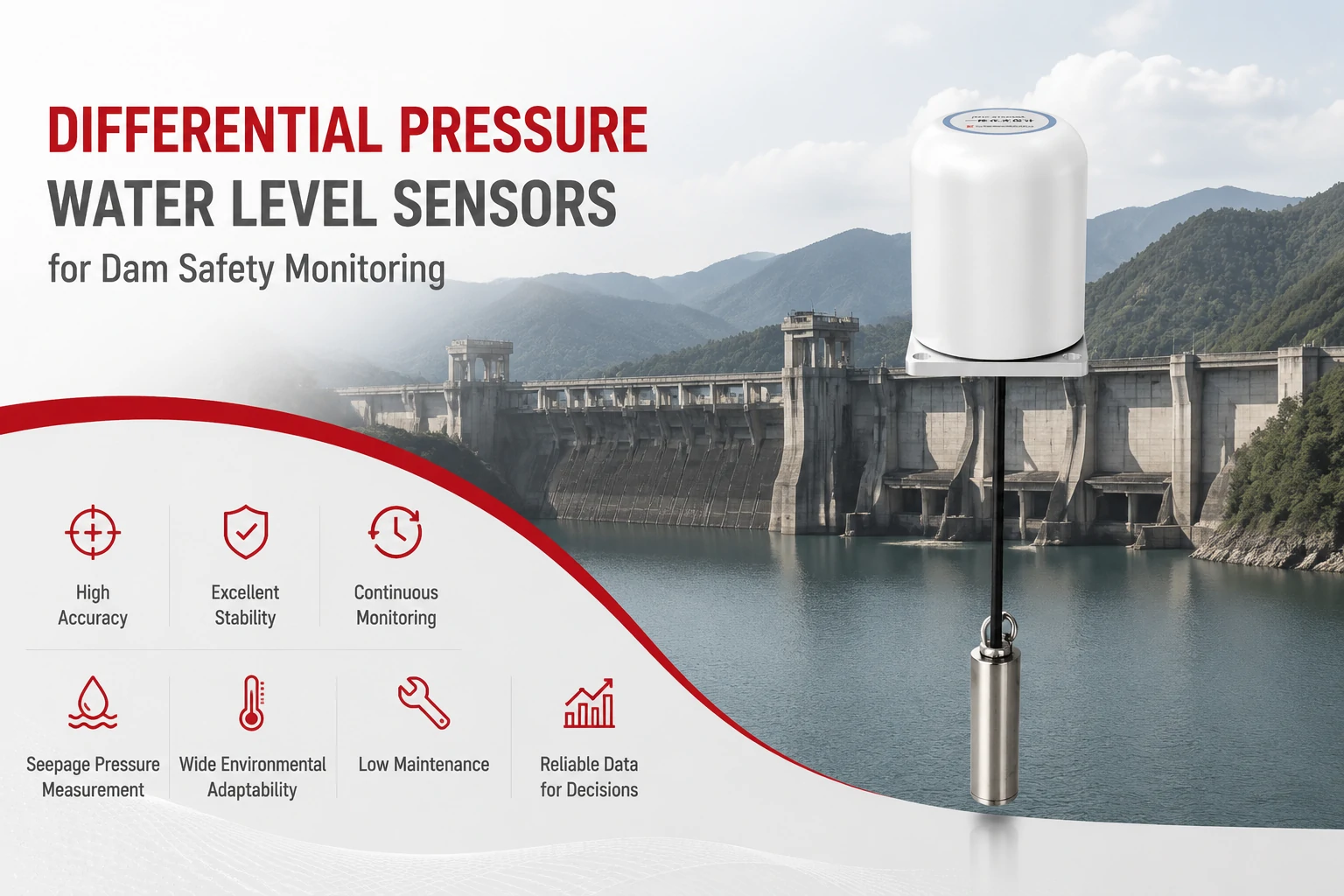
Key Takeaways The strongest fit is usually a confined, submerged, or s...
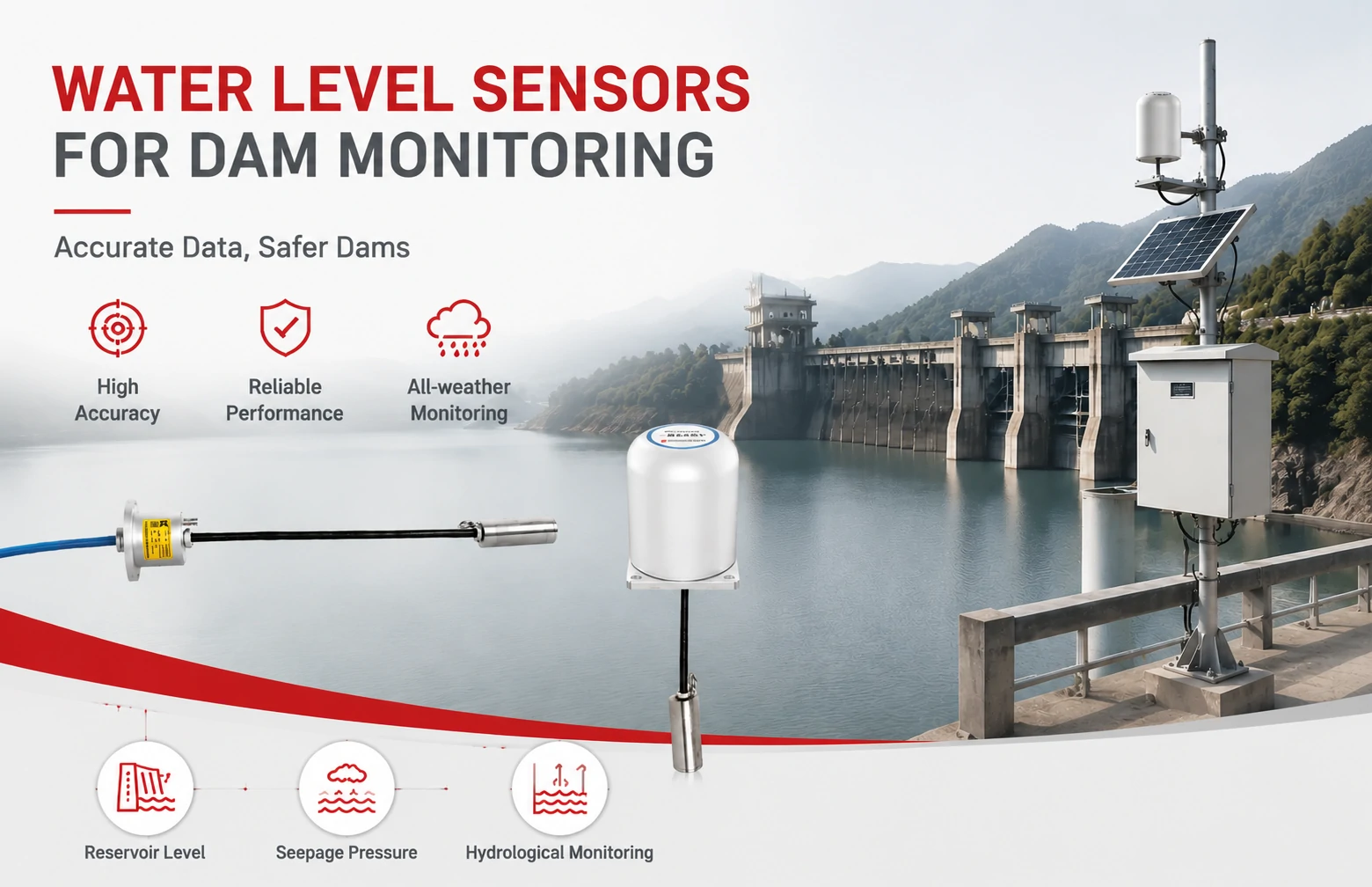
Kingmach Water Level Sensors for Dam Monitoring: A Buyer's Guide to Differential Pre...
Products
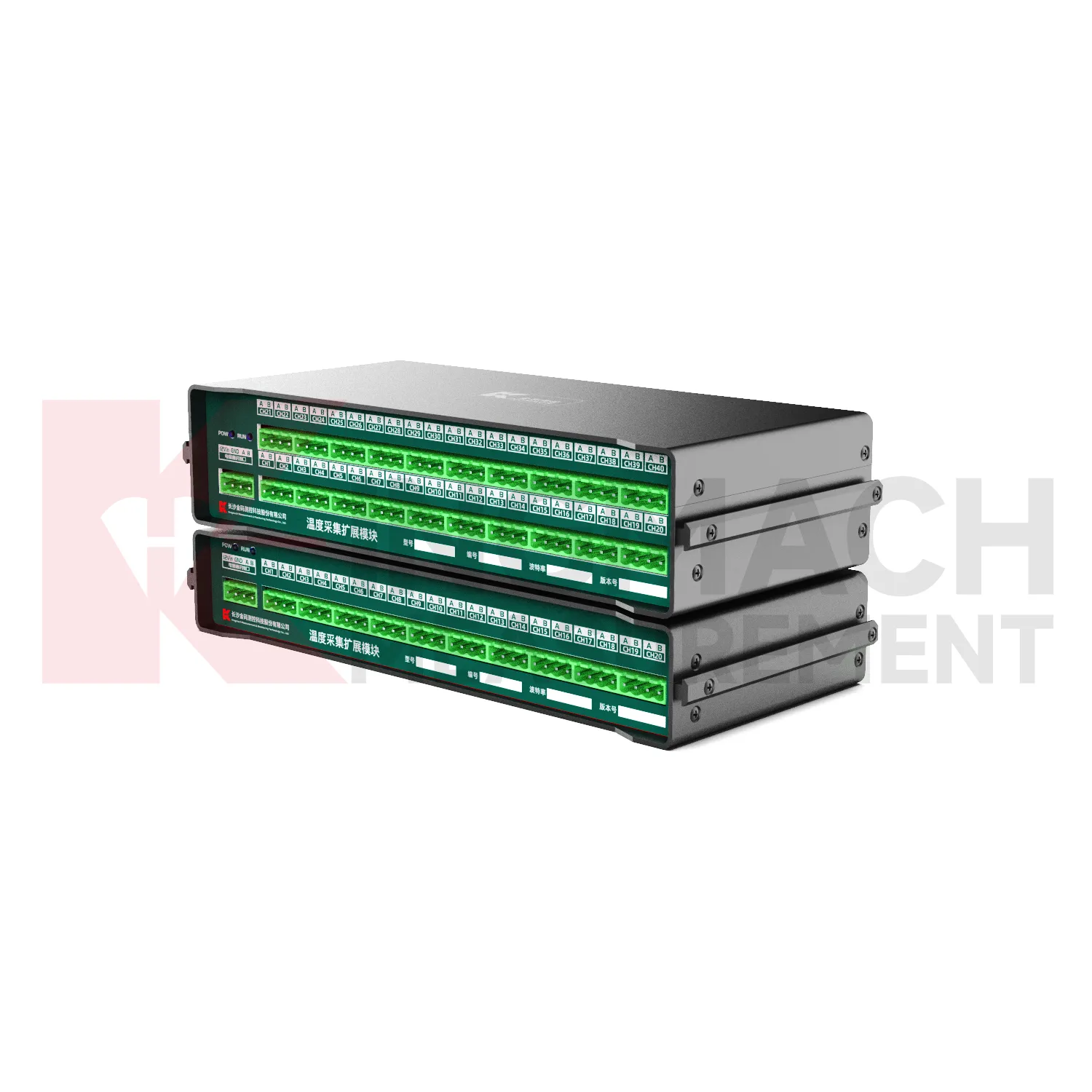
Temperature Acquisition Expansion Module JMWT-XXRTH
View Details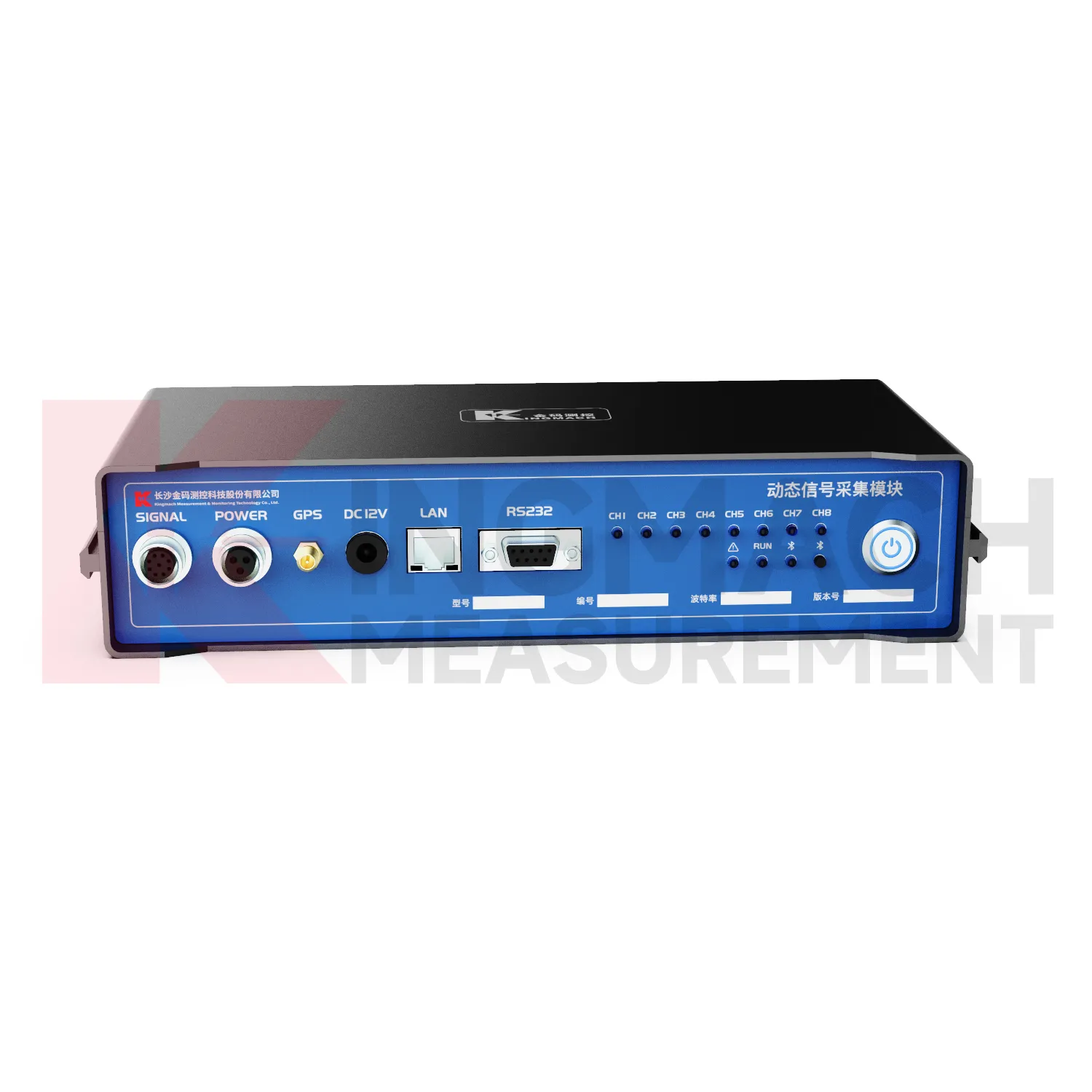
Dynamic signal acquisition module JMYD-1008XC
View Details
FAQ
Start by checking the actual network coverage and stability at the site. If a cellular signal is consistent, a 4G DTU with a fallback to local storage is often enough. For locations deep inside dams or mountain tunnels, LoRa to an external gateway or satellite links may be needed. Kingmach can set up units with dual‑mode communication if the project budget allows, which reduces single‑point failure risk.
Most of our DTUs have an internal buffer and can be ordered with SD card logging. When the connection recovers, the unit either pushes the stored records forward or holds them until a technician retrieves the card manually. The logging strategy depends on the firmware configuration, which we adapt to the client’s measurement frequency and tolerance for data gaps.
Yes, as long as the sensor output is a standard signal—RS‑485, 4–20 mA, SDI‑12, or Modbus RTU. Our team often pre‑configures the DTU for mixed sensor arrays. If a sensor uses a proprietary protocol, we can evaluate integration during the customization phase.
Typically from a 12 V battery backed by a solar panel, though small‑footprint sites sometimes use a single D‑cell lithium pack. We size the power system based on the transmission frequency: a unit that sends data every hour consumes far less than one streaming every minute. The power‑saving mode on our DTUs can bring idle current down to microamp levels, which is important for multi‑year deployments.
Beyond the initial setup assistance, we keep in touch for firmware refinements. If a DTU shows unexpected reboot logs or struggles with a newly installed cell tower, our engineers work with you to adjust thresholds or update the modem stack. Free‑field replacement parts like antennas and mounting brackets are usually available from stock.
Share your product type, target capacity, and application requirements. Our team can review the details and recommend a practical next step.
If you are interested in our products or want to become our partner.
Please leave your contact information, our team will contact you as soon as possible.
Mail: [email protected]
Contact Us: +8613808434127
Address: No. 188 Tongzipo West Rd, Changsha, Hunan, China