
 EN
EN
 ar
ar bg
bg hr
hr cs
cs da
da nl
nl fi
fi fr
fr de
de el
el hi
hi it
it ko
ko no
no pl
pl pt
pt ro
ro ru
ru es
es sv
sv tl
tl iw
iw id
id lv
lv lt
lt sr
sr sk
sk sl
sl uk
uk vi
vi et
et hu
hu th
th tr
tr fa
fa ms
ms hy
hy ka
ka ur
ur bn
bn mn
mn ta
ta kk
kk uz
uz ku
ku
wireless tiltmeter
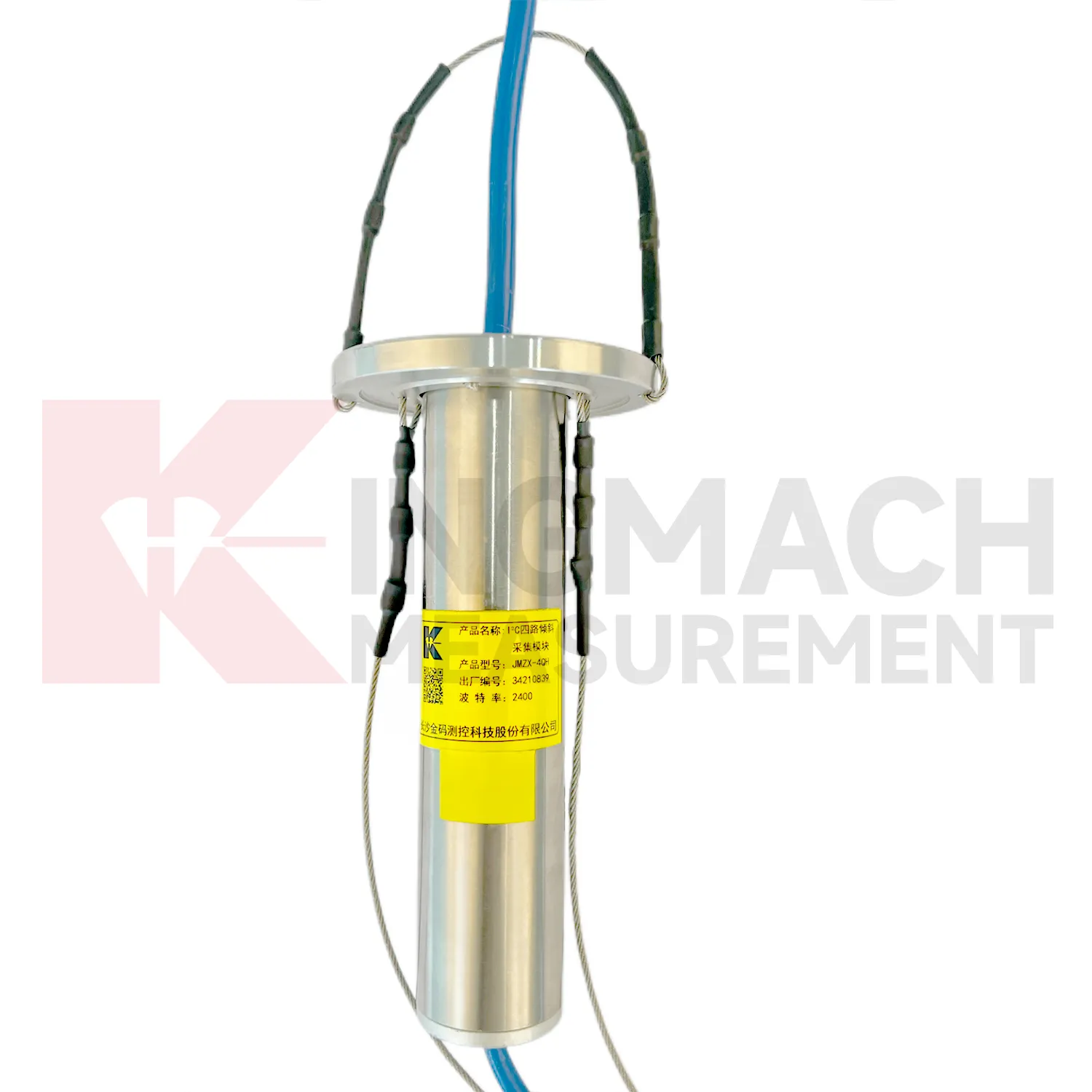
The JMZX-4QH acquisition module connects Kingmach wireless tiltmeter into a multi-channel inclinometer data chain. It is used to collect measurement data from multi-point vertical in-place inclinometer strings and upload the data by wired or wireless means. Product details describe one controllable sensor power supply output, four downstream communication interfaces, automatic recognition, intelligent calculation after connection, and installation at the inclinometer tube orifice for waterproof and dustproof protection. The module supports up to 100 sensors through four channels. Published data includes DC 9V to 24V operating voltage, standby power below 0.5W, operation power below 4W, RS485 uplink communication with configurable baud rates, -30 degrees Celsius to +70 degrees Celsius operating temperature, about 70 mm length, about 1 kg weight, and IP67 protection. It is relevant when borehole sensors need organized power, communication, and upload control.
Application of wireless tiltmeter
Slope and geological hazard monitoring use wireless tiltmeter to detect internal movement before the surface condition becomes clear. JMQJ-7915ATS is especially relevant because its multi-point in-place inclinometer string can observe deformation at different depths inside a borehole. JMZX-7100L can also be used for sliding inclinometer profiling in geotechnical slopes, dams, embankment slopes, and port engineering. Slope tilt or inclinometer data should be read with rainfall, groundwater, crack width, surface displacement, retaining structure movement, and construction disturbance. The key question is often depth: is the movement shallow, deep, or concentrated along one weak layer? A borehole profile with consistent point naming and stable orientation gives engineers better evidence for warning, inspection, and stabilization planning.
The future of wireless tiltmeter
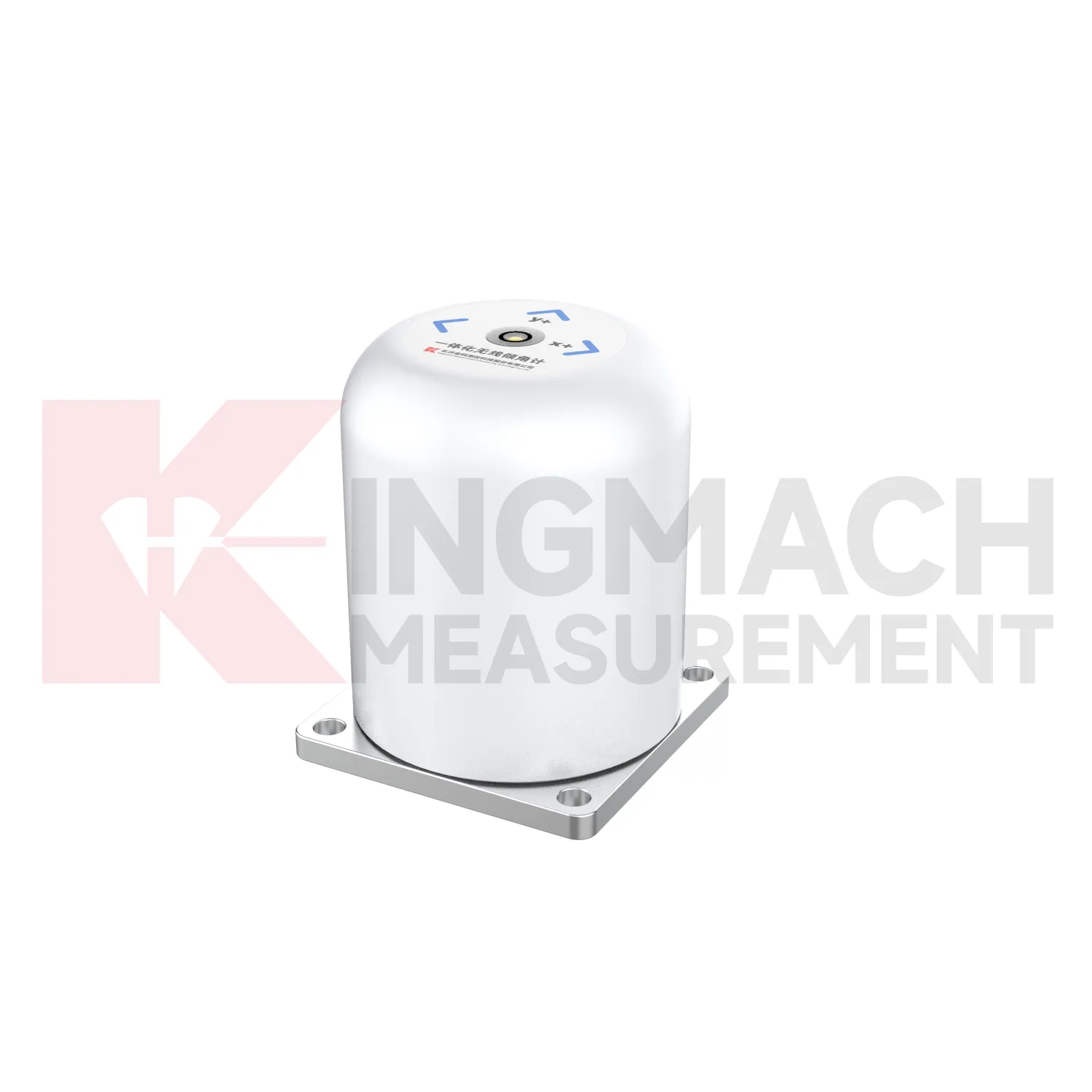
Future wireless tiltmeter will be specified with clearer compatibility requirements. A sensor by itself is only part of the system; the acquisition module, power supply, communication route, cable, platform, enclosure, and report format all affect performance. Kingmach product pages already list compatible data recorders and related instruments, which helps project teams build a connected monitoring package. Future specifications should state data output, channel capacity, baud rate, wireless method, battery expectation, protection grade, operating temperature, installation accessories, and software export needs. Clear compatibility reduces site delays and makes maintenance easier when parts are replaced. For owners, it also keeps the tilt monitoring record from becoming tied to one undocumented setup.
Care & Maintenance of wireless tiltmeter
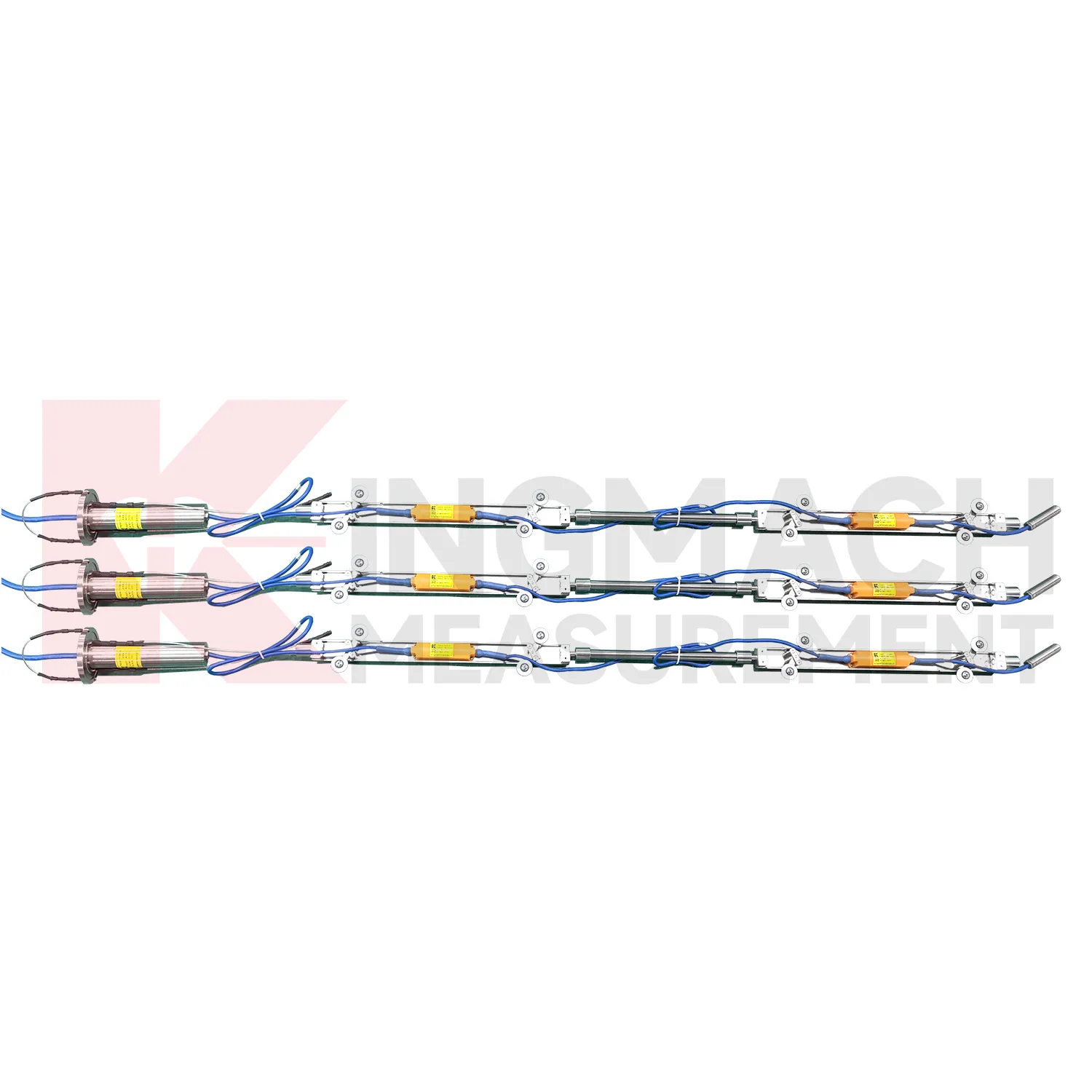
Borehole systems for wireless tiltmeter need careful mechanical and data maintenance. JMQJ-7915ATS uses a multi-point tandem inclinometer string with universal joints, connecting rods, suspension, cables, and an orifice acquisition module. During installation, record measurement spacing, borehole ID, casing condition, orientation, group assignment, and factory configuration. During inspection, protect the orifice, check cable strain, review module status, and compare depth points for abnormal jumps. If one depth changes sharply while neighboring depths remain steady, inspect both the ground condition and the instrument chain. Borehole data is most useful when every depth point remains tied to a clear physical position and a stable orientation reference.
Kingmach wireless tiltmeter
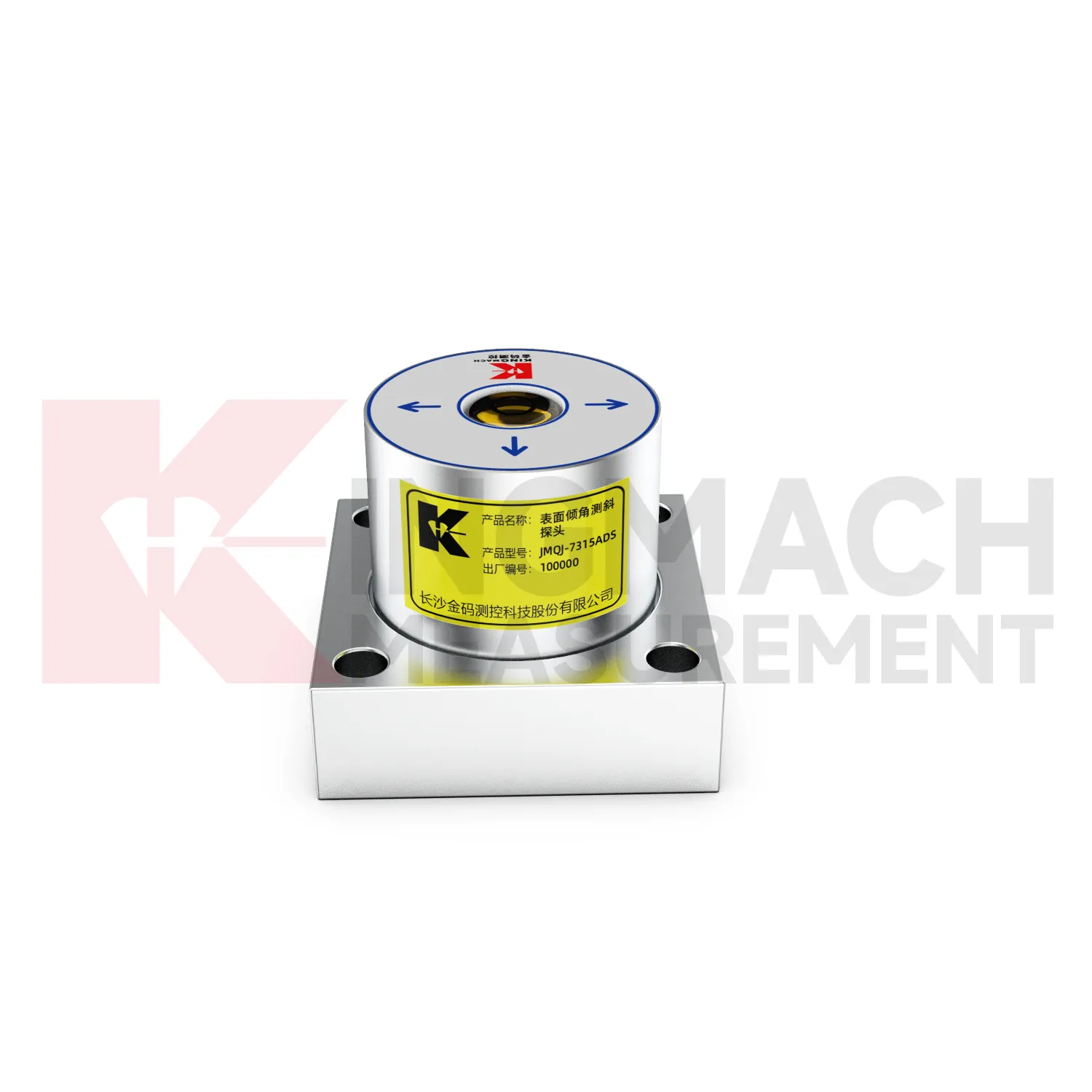
The technical strength of Kingmach wireless tiltmeter comes from combining MEMS sensing with practical acquisition details. JMQJ-7315ADS uses a high-precision acceleration integrated chip, 16-bit AD sampling, RS485 communication, an electronic code, and lightning protection design. JMQJ-7315RTU combines MEMS sensing with 4G wireless communication and low-power operating modes. JMQJ-7915ATS uses automatic temperature compensation and multi-point series connection in a borehole. JMZX-7100L uses a MEMS biaxial inclinometer probe with Bluetooth transmission and mobile phone reading. These differences are useful because field projects vary widely. Some sites need high-frequency remote acquisition, while others need periodic manual profiling. A clear specification should state measuring range, axis direction, output signal, protection grade, data logger, and review interval.
FAQ
Q: What is the difference between a fixed tiltmeter and a sliding inclinometer?
A: A fixed tiltmeter monitors one installed point continuously, while a sliding inclinometer is moved through casing to build a deformation profile by depth.Q: What is the difference between JMQJ-7315ADS and JMQJ-7315RTU?
A: JMQJ-7315ADS is a wired RS485 fixed tiltmeter, while JMQJ-7315RTU integrates wireless 4G communication and battery-powered remote monitoring.Q: When should a vertical in-place inclinometer be used?
A: Use it when deep internal deformation needs multi-point automatic monitoring inside a borehole rather than occasional manual profiling.Q: What does the JMZX-4QH module do?
A: It collects measurement data from multi-point vertical in-place inclinometer strings and uploads the data through wired or wireless means.Q: How should tilt alarms be reviewed?
A: Review angle change with rate, direction, nearby instruments, weather, construction activity, and visual inspection before deciding the response.
Reviews
Andrew Lee
The visualization software is intuitive and powerful. It helps us analyze monitoring data efficiently.
Ryan Lewis
Fast delivery and excellent product quality. The accelerometers and tiltmeters are highly reliable. Strongly recommend this company.
Latest Inquiries
To protect the privacy of our buyers, only public service email domains like Gmail, Yahoo, and MSN will be displayed. Additionally, only a limited portion of the inquiry content will be shown.
Ava***@gmail.comAustralia
Hi, I am looking for reliable tiltmeters and accelerometers for structural health monitoring. Please...
Amelia***@gmail.comSingapore
Hello, I am looking for visualization software for monitoring system data analysis. Please let me kn...