
 EN
EN
 ar
ar bg
bg hr
hr cs
cs da
da nl
nl fi
fi fr
fr de
de el
el hi
hi it
it ko
ko no
no pl
pl pt
pt ro
ro ru
ru es
es sv
sv tl
tl iw
iw id
id lv
lv lt
lt sr
sr sk
sk sl
sl uk
uk vi
vi et
et hu
hu th
th tr
tr fa
fa ms
ms hy
hy ka
ka ur
ur bn
bn mn
mn ta
ta kk
kk uz
uz ku
ku
wireless data loggers temperature
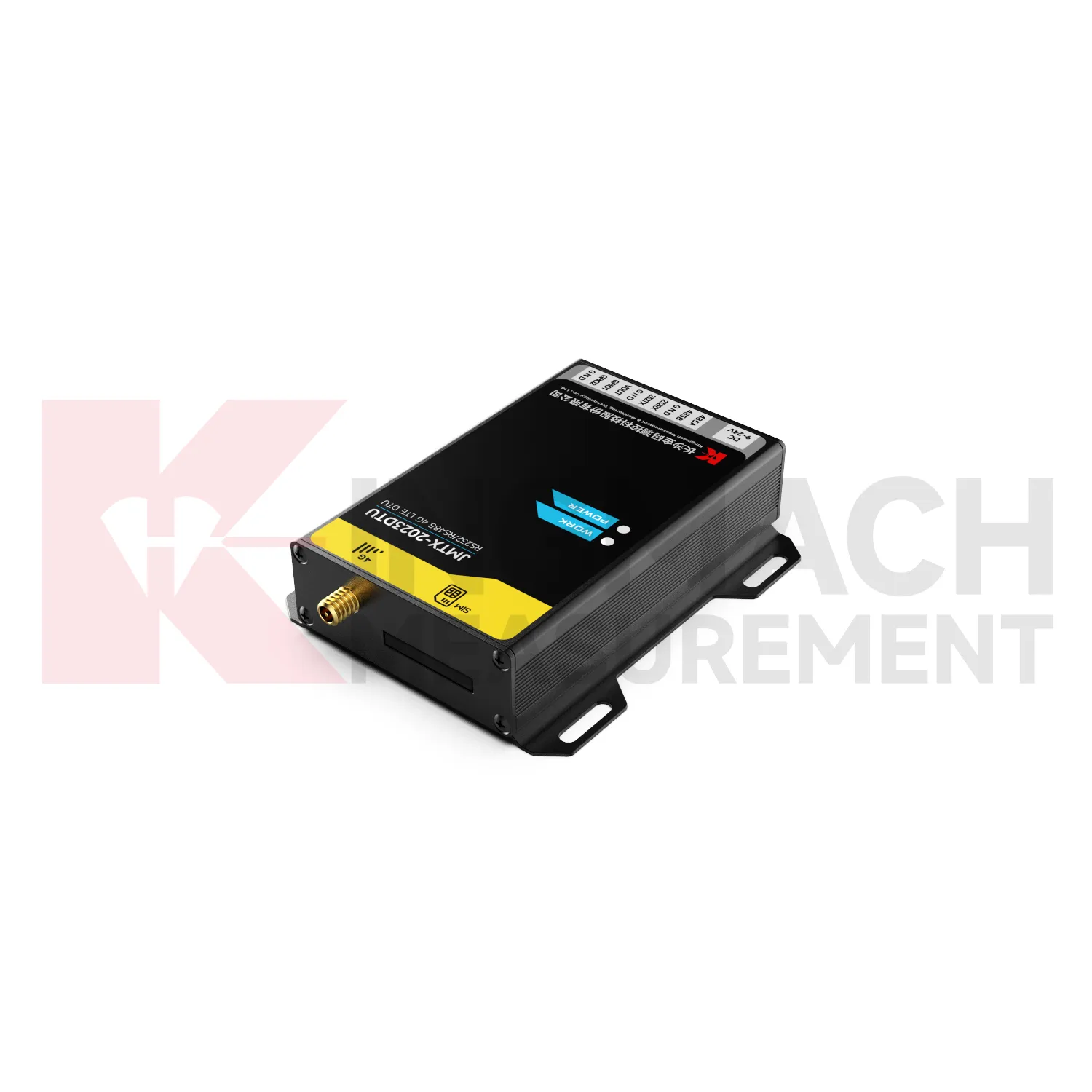
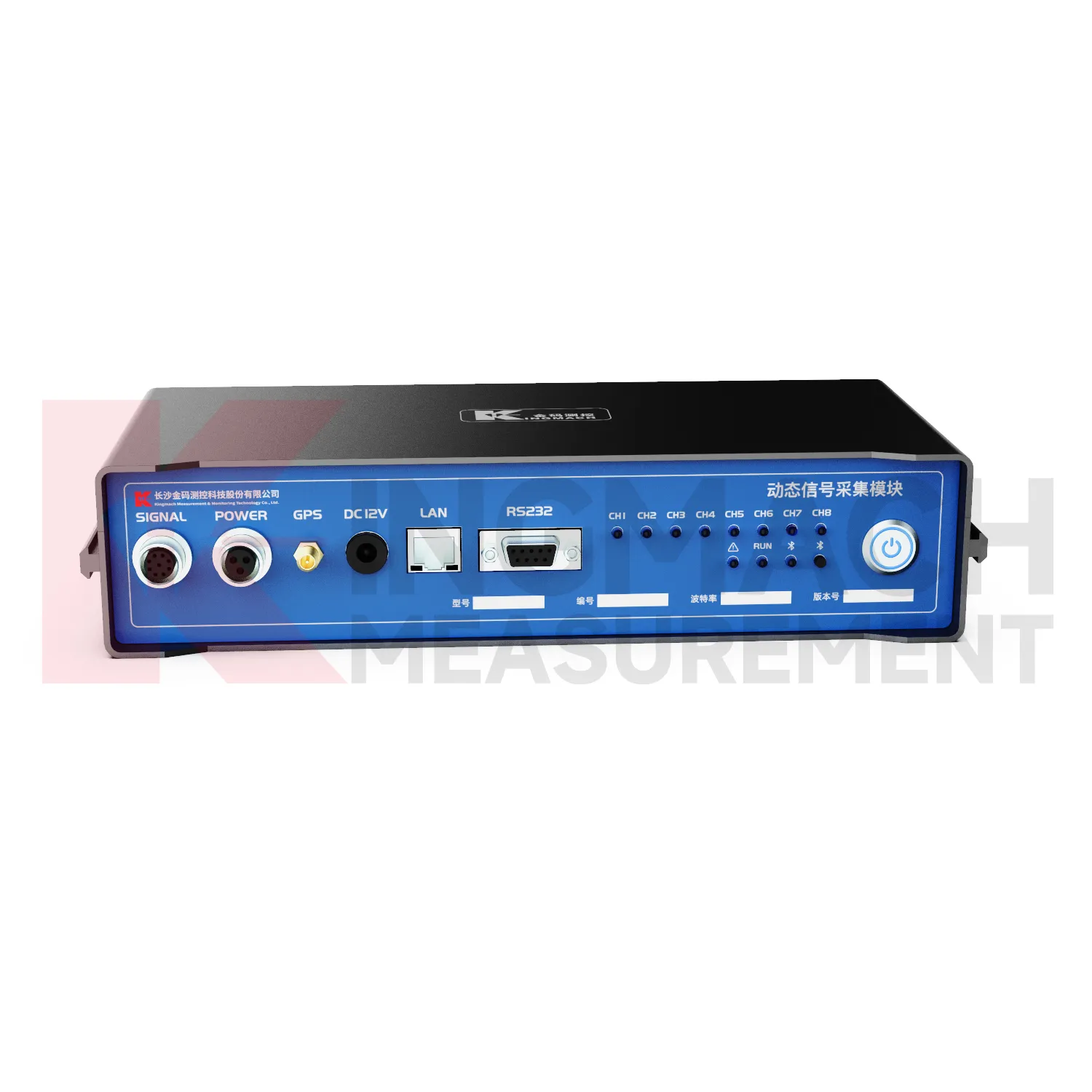
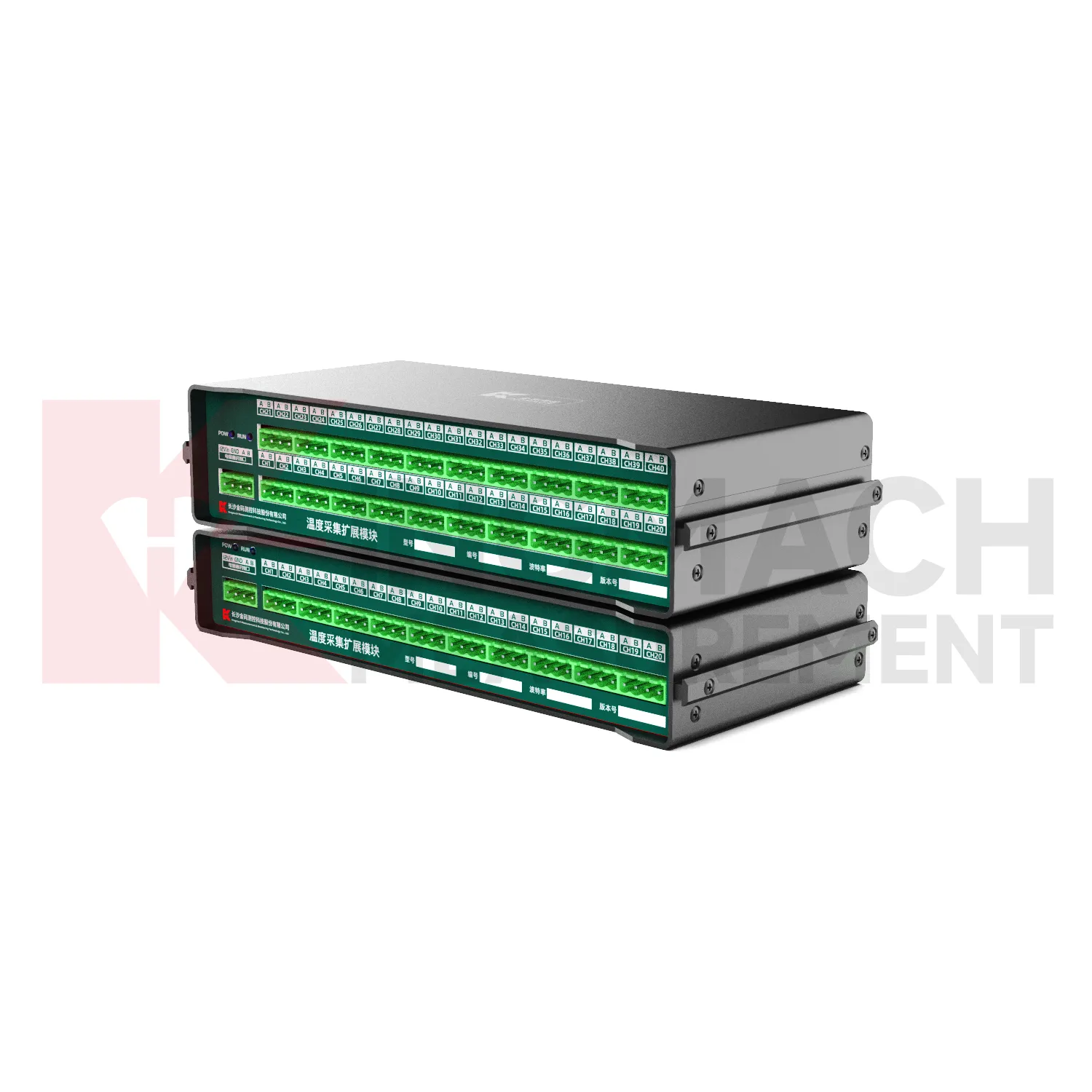
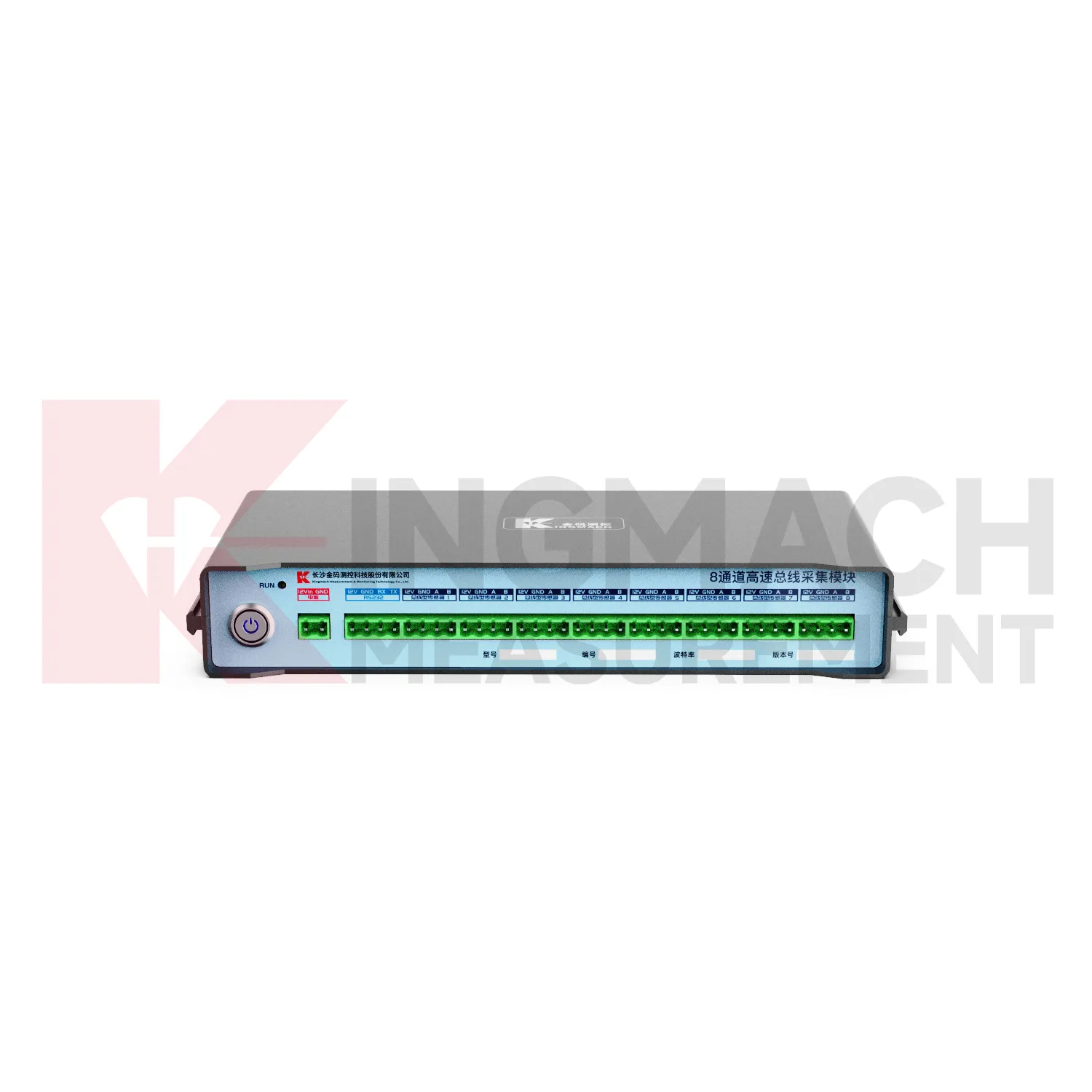
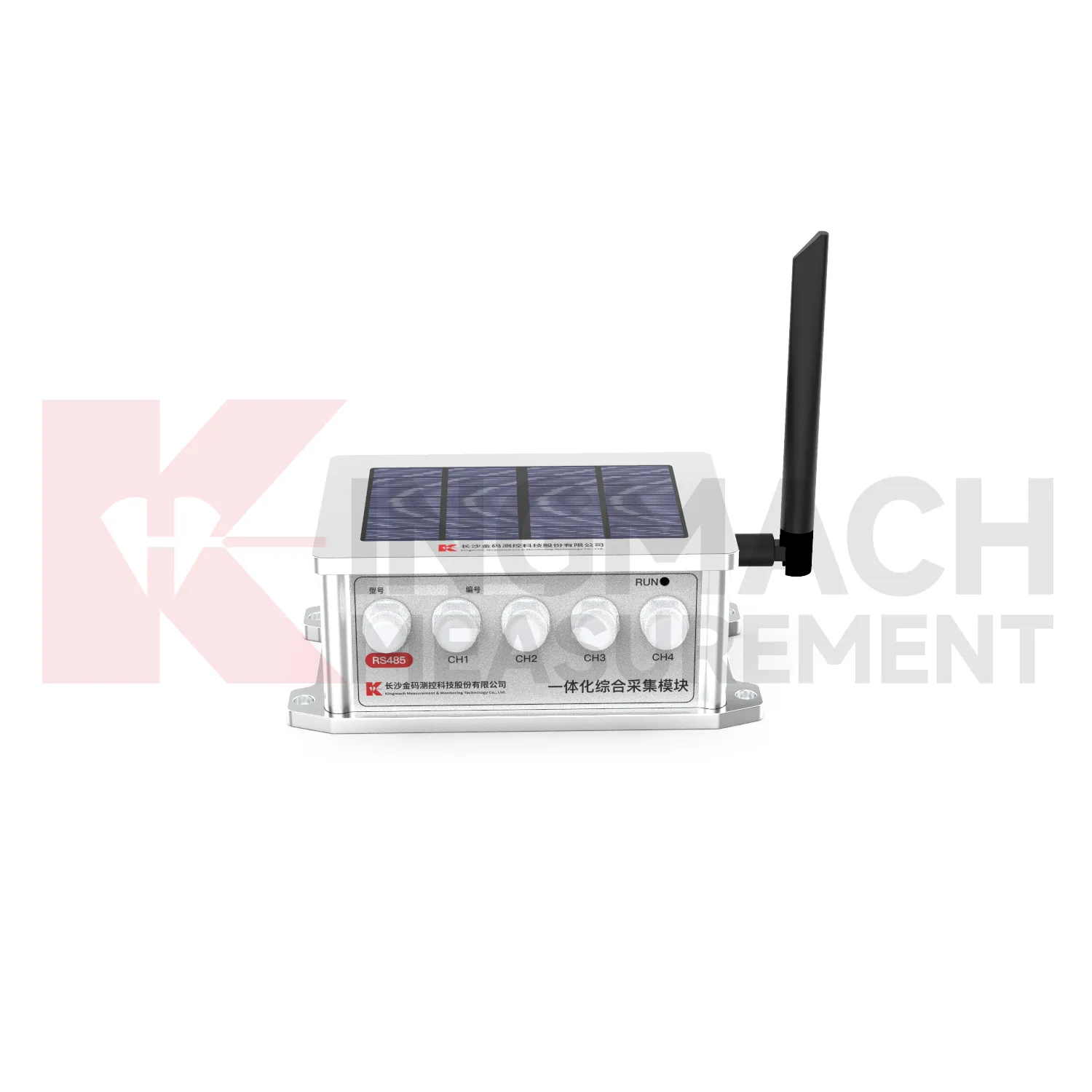
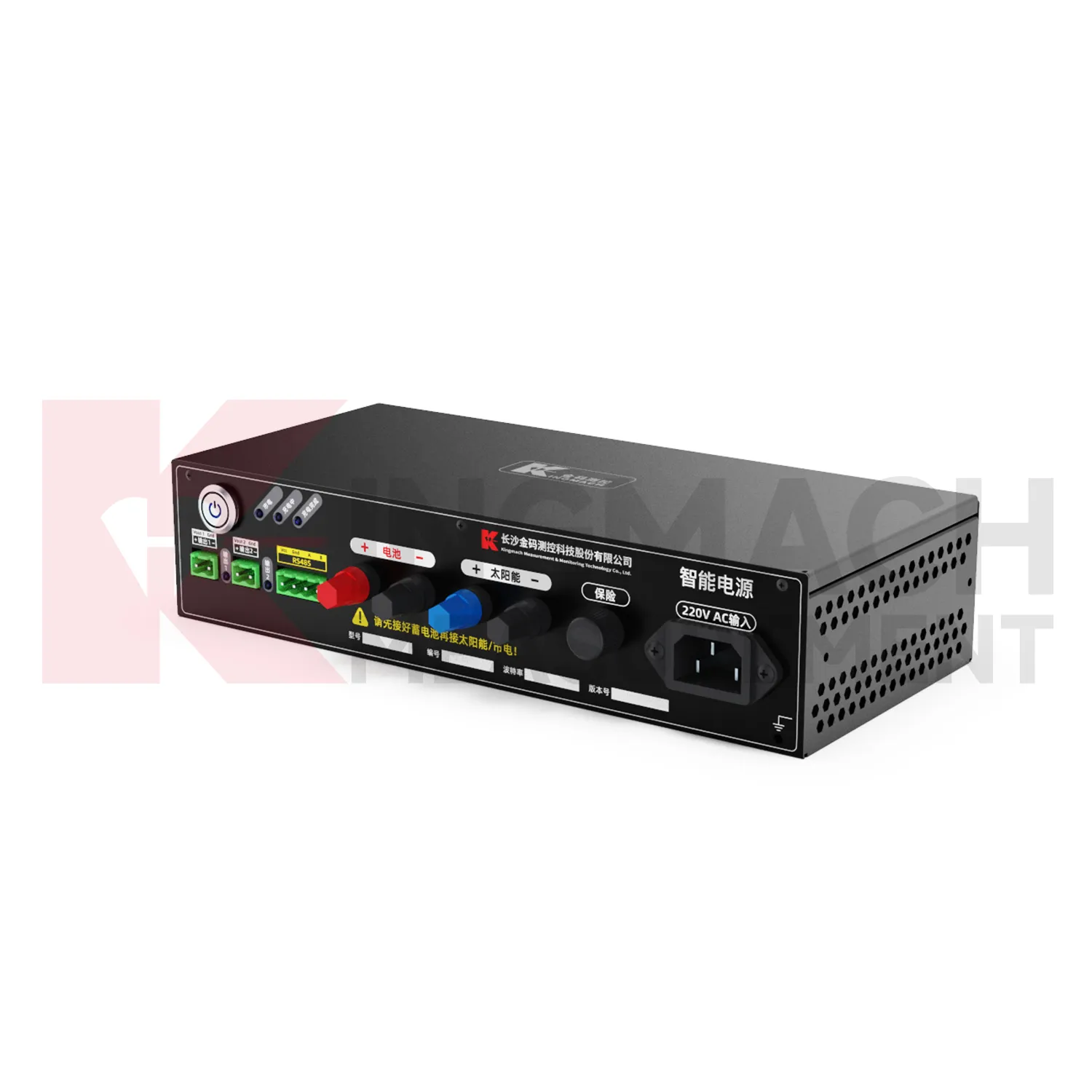
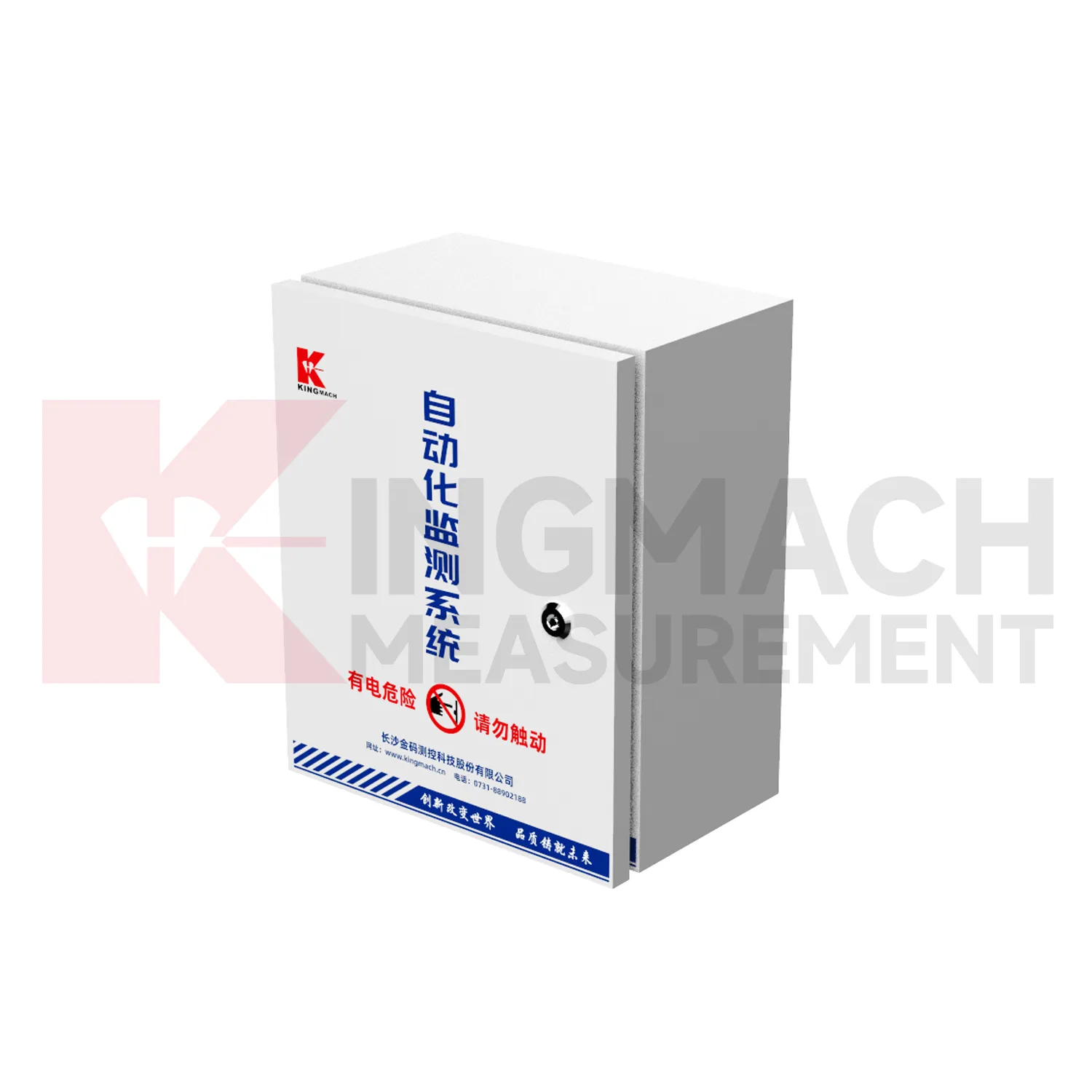
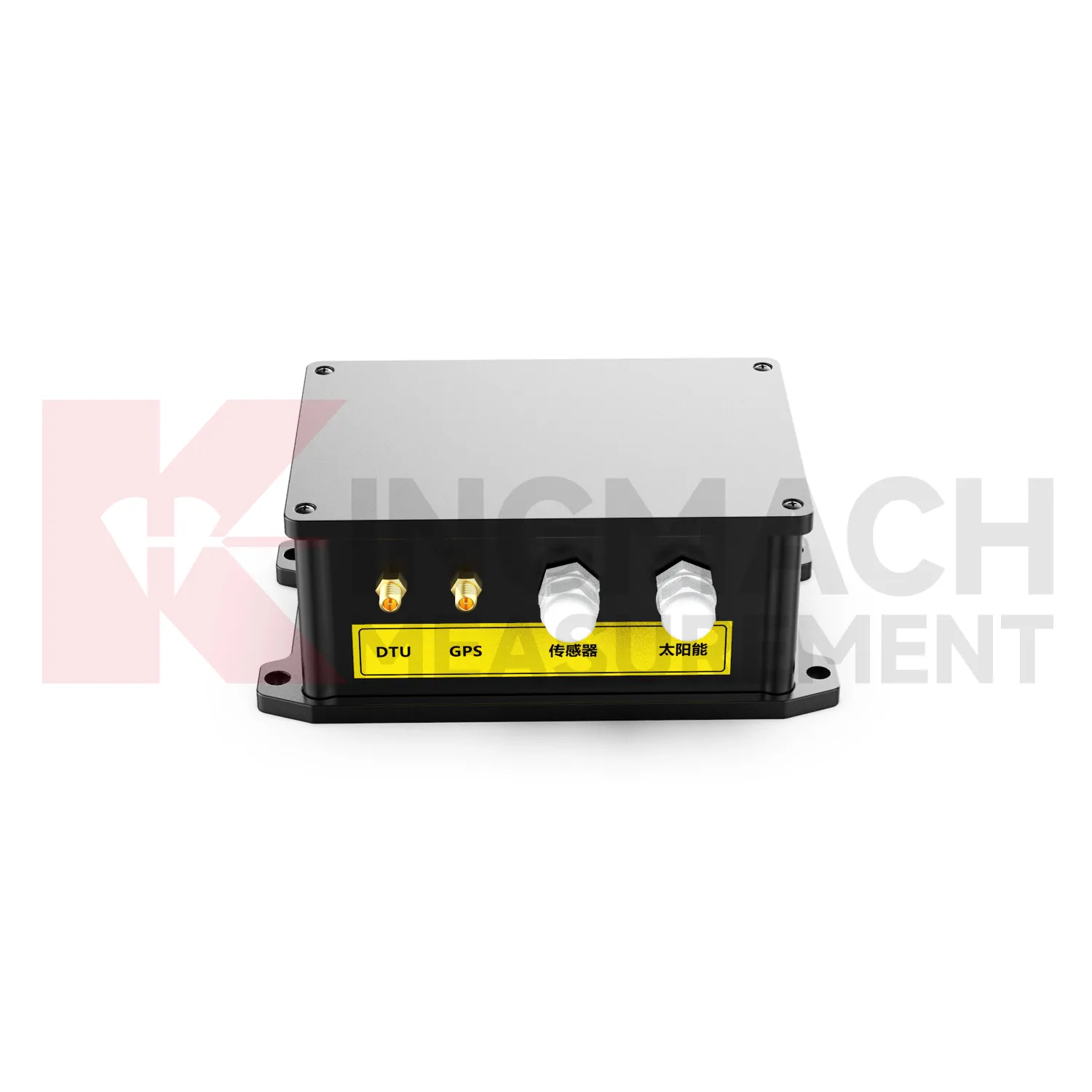
Kingmach wireless data loggers temperature make monitoring networks easier to operate when sensor readings must support formal decisions. Construction teams may need fast confirmation after loading or excavation. Maintenance teams may need periodic checks after repair. Owners may need long-term records that can be exported for reporting. A data logger or readout should support these uses through stable measurement, clear display, dependable storage, and practical communication. It should also help prevent avoidable confusion by keeping the channel name, sensor type, and acquisition time visible. When the device is planned as part of the monitoring system, the project gains cleaner data and fewer uncertain readings. Formal decisions often require a record that can be defended months later. The reviewer may need to know who collected the data, which device was used, whether the station was healthy, and whether a field note explains unusual behavior. Acquisition discipline gives that review a stronger foundation and reduces arguments about missing context. Such discipline supports construction claims, repair review, safety meetings, and owner handover. A dependable device record can show whether a reading was routine, repeated, missing, or linked to a maintenance action. It also helps teams explain why an abnormal value was accepted, questioned, repeated, or linked to field inspection.
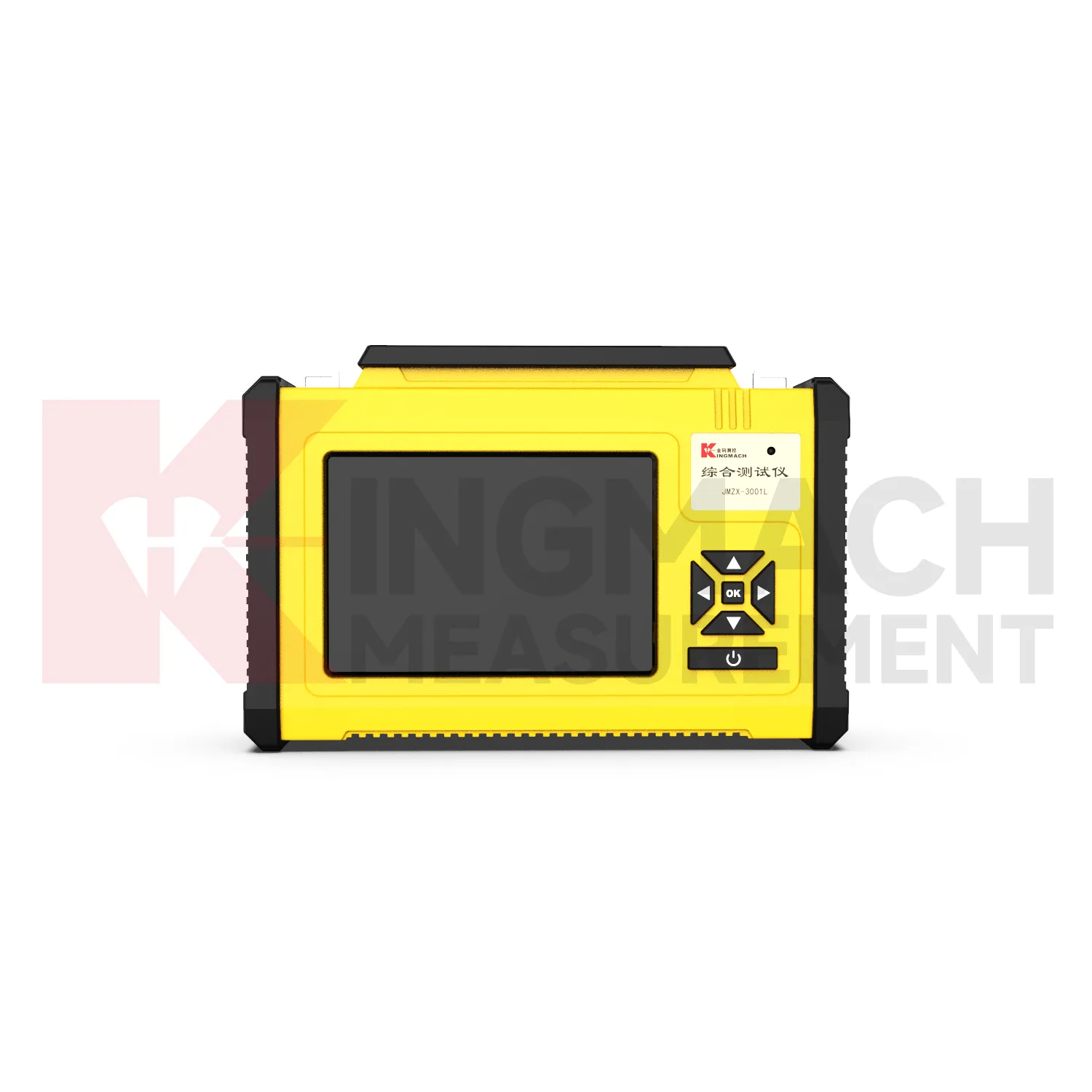
Application of wireless data loggers temperature
Industrial testing and equipment monitoring use Kingmach wireless data loggers temperature when strain, vibration, displacement, temperature, or pressure-related signals need organized acquisition. Portable readouts are useful for temporary tests, commissioning checks, and maintenance diagnosis. Dynamic acquisition devices can capture short events from machinery start-up, impact, load transfer, or process changes. Data loggers can support longer records when equipment behavior must be observed across shifts or operating cycles. The device should fit the signal type and review purpose. A plant maintenance team may need quick confirmation, while an engineering team may need exported data for analysis. Clear channel names and event notes help both groups work from the same record. Industrial records often need to be linked with operating state. A waveform during start-up, a temperature change during production, or a strain response after adjustment should be stored with the equipment condition. This helps maintenance staff compare repeated tests and gives engineers a cleaner basis for diagnosing load transfer, vibration source, or process influence. Stable export files also make external analysis easier. For temporary tests, the readout or logger should also make it easy to repeat the same measurement route after repair, adjustment, or operating change. That repeatability helps maintenance teams compare before-and-after behavior.
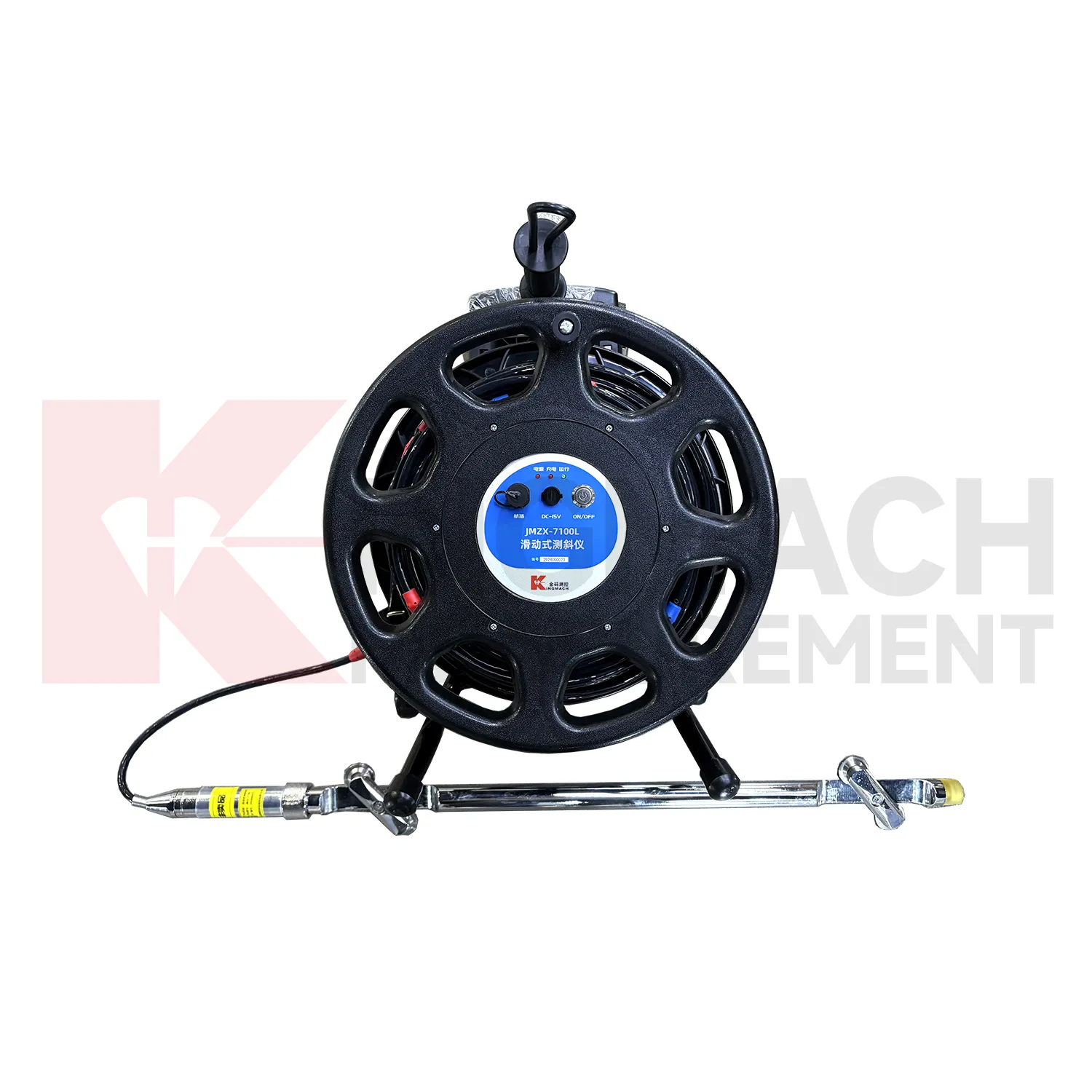
The future of wireless data loggers temperature
Future Kingmach wireless data loggers temperature will give project teams more flexible acquisition intervals. Some sensors need frequent readings during excavation, loading, rainfall, or dynamic testing. Other sensors need stable long-term records at slower intervals. The ability to match acquisition timing to project behavior helps control data volume while preserving important events. Future devices should make interval changes traceable so reviewers know why a record became faster or slower at a certain date. This is important when construction stages or risk levels change. Flexible intervals should also protect the meaning of long-term trends. If a station records every minute during excavation and every hour after stabilization, the report should show that change clearly. Reviewers can then compare data periods correctly instead of treating different acquisition modes as if they were the same. This will help owners manage storage volume, event detail, and reporting clarity without losing engineering context. across project stages. over time.
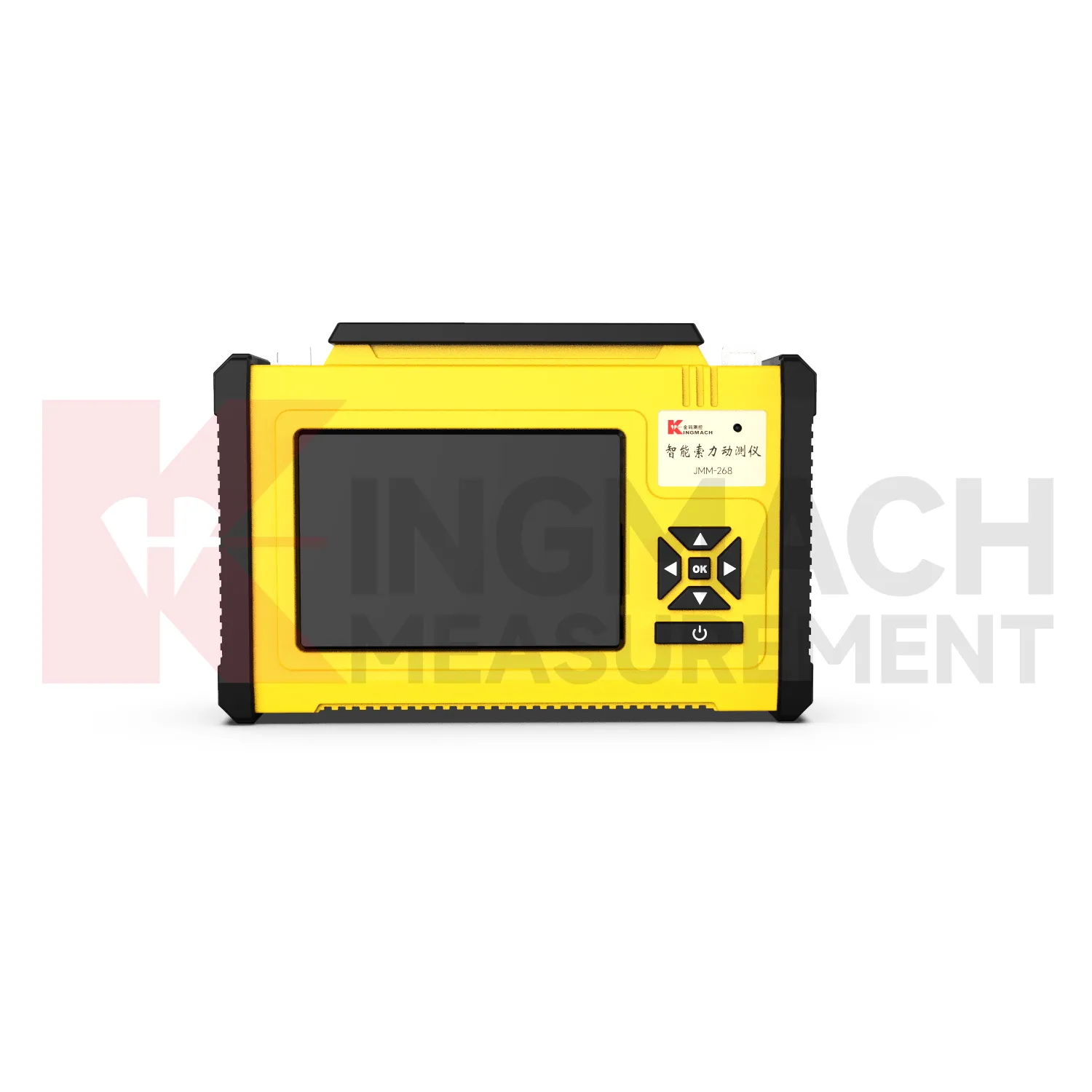
Care & Maintenance of wireless data loggers temperature
Data review is part of maintaining Kingmach wireless data loggers temperature. Look for missing intervals, repeated flat values, sudden jumps, time drift, channel swaps, upload delays, and readings that do not match field conditions. A data logger may continue operating while still producing a record that needs attention. Reviewers should compare acquisition status with inspection notes, power condition, communication history, and recent site work. If a period is doubtful, mark the reason clearly so later users understand how to treat it. Scheduled review keeps small acquisition problems from becoming long reporting gaps. Review work should include a short action log. If a gap is caused by upload failure, note whether local data was recovered. If a jump is caused by rewiring, note which channel changed. This turns data review into maintenance evidence rather than a private judgment by one reviewer. and supports future audits. across project phases. clearly. for owners. later. consistently.
Kingmach wireless data loggers temperature
Kingmach wireless data loggers temperature support both slow-changing and event-based monitoring. Settlement, temperature, and pore pressure may need scheduled acquisition over long periods. Vibration, dynamic strain, and construction events may need faster synchronized capture. A monitoring plan should match the acquisition method to the behavior being measured. If the device records too slowly, short events may be missed. If it records too often without purpose, the project may store more data than reviewers can use. The acquisition device should therefore fit the engineering question, the sensor type, and the review method. Slow monitoring needs dependable intervals, stable power, and clear long-term storage. Event monitoring needs timing, trigger notes, and channel synchronization. Treating these two needs separately helps the buyer avoid a weak setup and gives engineers a clearer record for later interpretation. For example, bridge vibration testing and long-term settlement logging should not be planned with the same acquisition logic. The device, interval, storage method, and review routine should follow the behavior being measured.
FAQ
Q: Where are these devices used?
A: They are used in bridges, tunnels, dams, slopes, buildings, foundation pits, railways, mines, industrial testing, and other monitoring projects.
Q: Why combine readouts with loggers?
A: Readouts confirm field points during visits, while loggers keep collecting data between visits. Together they support both verification and continuity.
Q: What should a remote station show?
A: A remote station should show acquisition status, last upload time, power condition, active channels, storage condition, and recent maintenance history.
Q: How do these devices support reports?
A: They keep readings traceable by time, channel, sensor type, location, and device status so engineers can explain trends and events more clearly.
Q: What causes confusing readings?
A: Loose cables, wrong channel names, weak power, wet enclosures, changed settings, sensor faults, or real site changes can all create confusing records. The record stays useful when point names, channel labels, sensor type, measurement time, and field condition are kept together, because later reviewers can connect the number with the actual structure and inspection history.
Reviews
Michael Anderson
The strain gauges and load cells are extremely accurate and stable. They performed very well in our bridge monitoring project. Highly recommended!
Christopher Martinez
Very satisfied with the readouts & data loggers. User-friendly interface and supports multiple sensor inputs.
Latest Inquiries
To protect the privacy of our buyers, only public service email domains like Gmail, Yahoo, and MSN will be displayed. Additionally, only a limited portion of the inquiry content will be shown.
Ava***@gmail.comAustralia
Hi, I am looking for reliable tiltmeters and accelerometers for structural health monitoring. Please...
Olivia***@gmail.comUnited States
Hello, we are currently sourcing high-precision strain gauges and load cells for a bridge monitoring...
Related product categories
- Intelligent Readout Unit
- Single/Dual Channel Cable Force Dynamic Tester
- Temperature Compensation Module
- Data Transfer Unit (DTU)
- Multichannel Dynamic Signal Acquisition System
- Signal Conditioning Module
- Portable Vibration Analyzer
- Modal Testing System
- Multifunctional Data Acquisition Expansion Module
- Distributed Central Data Acquisition Host
- Multichannel Signal Acquisition Unit
- Modular Central Data Acquisition Host