
 EN
EN
 ar
ar bg
bg hr
hr cs
cs da
da nl
nl fi
fi fr
fr de
de el
el hi
hi it
it ko
ko no
no pl
pl pt
pt ro
ro ru
ru es
es sv
sv tl
tl iw
iw id
id lv
lv lt
lt sr
sr sk
sk sl
sl uk
uk vi
vi et
et hu
hu th
th tr
tr fa
fa ms
ms hy
hy ka
ka ur
ur bn
bn mn
mn ta
ta kk
kk uz
uz ku
ku
weir flow meter Localization
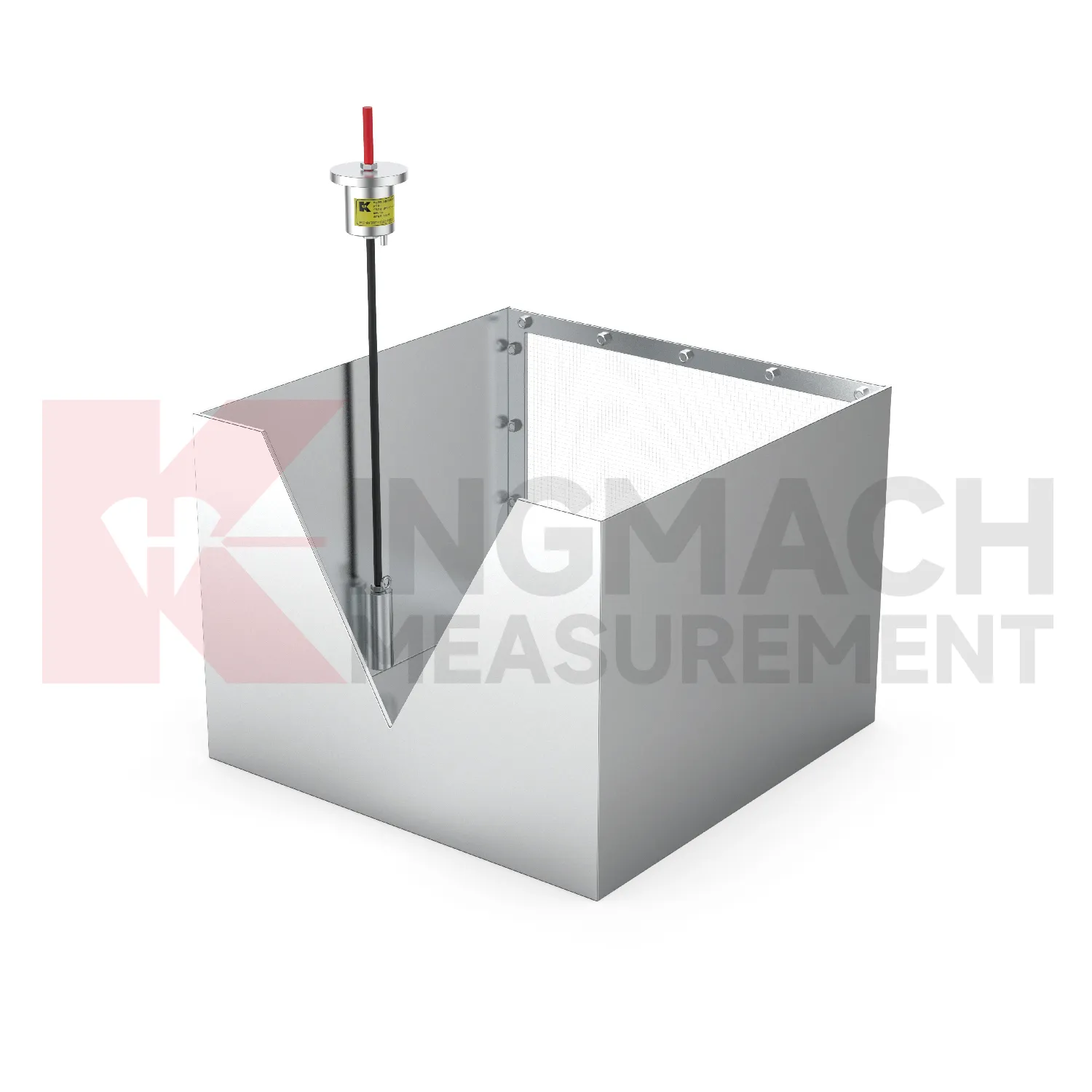
Kingmach weir flow meter Localization can support remote and unattended monitoring when the site is difficult to access or when flow needs to be observed continuously. Manual readings may be enough for occasional checks, but many drainage, irrigation, tunnel, and hydraulic sites need a record that covers night hours, storms, operating changes, and gradual shifts. Remote data is most useful when the point has a clean channel, a stable reference, protected cables, and clear channel names in the acquisition system. The data should be stored with units, time stamps, and field notes so reviewers understand both the water behavior and the measurement condition. If a remote flow point shows an abnormal change, the team should be able to check recent weather, maintenance work, upstream operation, and channel condition before sending someone to the site. This makes automation a practical operating aid rather than just a convenient display. A remote point also needs disciplined context. Alarm rules should match the expected channel behavior, not a generic number. Trend review should consider rainfall, pump activity, planned cleaning, nearby construction, and downstream water level. When these notes are tied to the curve, the office team can decide whether the event requires urgent inspection, routine follow-up, or simple observation. This reduces unnecessary travel while keeping the field record explainable for later reporting.
Application of weir flow meter Localization
Construction sites use Kingmach weir flow meter Localization to document temporary drainage, dewatering discharge, runoff control, or water diversion during staged work. Temporary systems can change quickly as excavation, rainfall, pumping, and channel layout change. A weir point gives the project team a dated flow record that can be compared with weather, pumping logs, inspection notes, and site activities. The installation should be protected from equipment traffic, sediment, concrete washout, and debris. Because temporary drainage often becomes a source of disagreement, a consistent flow record helps contractors, owners, and supervisors discuss the same facts. The record should show not only the flow trend, but also when channels were cleaned, pumps were adjusted, or site conditions changed. On active sites, the measuring location should be easy to identify and hard to disturb. Simple barriers, labels, access notes, and photo records can reduce confusion when crews rotate or work shifts change. The data is most useful when it is tied to daily events such as rain, excavation depth, pump relocation, discharge permit checks, and planned channel cleaning. That connection turns temporary drainage monitoring into a practical record for project control. It also gives managers a clearer basis for scheduling cleaning and documenting discharge changes during busy work periods.
The future of weir flow meter Localization
The future of Kingmach weir flow meter Localization will focus on connecting flow records with the events that drive water movement. Rainfall, gate changes, pumping activity, seepage variation, maintenance cleaning, and upstream operations can all change discharge. Future monitoring platforms should place these events on the same timeline as the flow curve. That will help operators understand whether a flow change is expected or whether the channel needs inspection. The practical gain is faster interpretation, not simply more data. When the flow record includes the cause, the response, and the field action, water managers can make better decisions during storms, maintenance windows, and long-term operation. Event timelines can also reduce confusion between hydraulic change and instrument concern. A rain peak, a pump start, or a planned channel cleaning may explain a curve that otherwise looks abnormal. When the explanation is attached directly to the trend, later reviews become clearer and less dependent on memory.
Care & Maintenance of weir flow meter Localization
Data review is part of maintaining Kingmach weir flow meter Localization. Look for flatlines, impossible jumps, gradual drift, repeated storm response, missing intervals, and flow changes that do not match rainfall or operation. If a flow curve changes, check channel condition, cleaning history, upstream activity, downstream backwater, and enclosure health. A good review does not treat every abnormal curve as a water event. It first asks whether the measuring point remained physically healthy. This habit reduces false concern and helps the team respond faster when the flow change is real. Review work should be scheduled, not left only for emergencies. A weekly or monthly check can find small data gaps, weak communication, or gradual hydraulic change before they become reporting problems. When a reviewer marks a period as doubtful, the reason should be written clearly so later users know how to treat that section of history. without guessing later. in future reports.
Kingmach weir flow meter Localization
Kingmach weir flow meter Localization supports projects where small water level changes need to be converted into meaningful flow information. In a weir structure, a slight rise or fall in water head can represent a real change in discharge. That is why the measurement point must be stable, clean, and tied to the correct hydraulic geometry. The record becomes stronger when water level, channel condition, rainfall, pump operation, gate activity, and inspection notes are reviewed together. A flow curve by itself may show an increase, but the site record explains whether that increase came from stormwater, controlled discharge, blockage, leakage, or upstream operation. This kind of interpretation is important for operators who must act on the data. They need to know whether a change is normal, whether a channel needs cleaning, or whether another instrument record should be checked. A clear flow history turns small water-head movement into a practical operating signal instead of an isolated reading.
FAQ
Q: What should buyers define before ordering?
A: Define the water path, measuring purpose, channel condition, access, data review method, maintenance plan, and related site records.
Q: Can one flow point answer every water question?
A: No. Each point should represent a defined channel or discharge path and should be linked to the engineering question it supports.
Q: Why avoid product and parameter lists in the page?
A: Readers need to understand how the flow point works in the channel, how it is maintained, and how the data supports decisions.
Q: What makes long-term flow data reliable?
A: Stable installation, clean hydraulic control, consistent maintenance, clear units, point photos, and visible repair history make long-term data reliable.
Q: How should flow data be reported?
A: Reports should show the measured channel, time period, flow trend, related site conditions, inspection notes, and any action taken. For water accounting or resource management, the same section, reference point, and maintenance discipline make seasonal and operational comparison reliable.
Reviews
Joshua Clark
We ordered a full monitoring solution including sensors and data loggers. Everything works seamlessly together. Great supplier!
Michael Anderson
The strain gauges and load cells are extremely accurate and stable. They performed very well in our bridge monitoring project. Highly recommended!
Latest Inquiries
To protect the privacy of our buyers, only public service email domains like Gmail, Yahoo, and MSN will be displayed. Additionally, only a limited portion of the inquiry content will be shown.
Amelia***@gmail.comSingapore
Hello, I am looking for visualization software for monitoring system data analysis. Please let me kn...
Olivia***@gmail.comUnited States
Hello, we are currently sourcing high-precision strain gauges and load cells for a bridge monitoring...
Related product categories
- Intelligent Weir Flow Meter
- Smart Weir Flow Meter
- weir flow meter
- weir type flow meter
- weir flow meter Price
- weir flow meter Manufacturer
- weir flow meter Supplier
- weir flow meter Solution
- weir flow meter System Integration
- weir flow meter Localization
- weir flow meter Domestic Manufacturing
- weir flow meter China