
 EN
 ar
 bg
 hr
 cs
 da
 nl
 fi
 fr
 de
 el
 hi
 it
 ko
 no
 pl
 pt
 ro
 ru
 es
 sv
 tl
 iw
 id
 lv
 lt
 sr
 sk
 sl
 uk
 vi
 et
 hu
 th
 tr
 fa
 ms
 hy
 ka
 ur
 bn
 mn
 ta
 kk
 uz
 ku

temperature data logger wireless
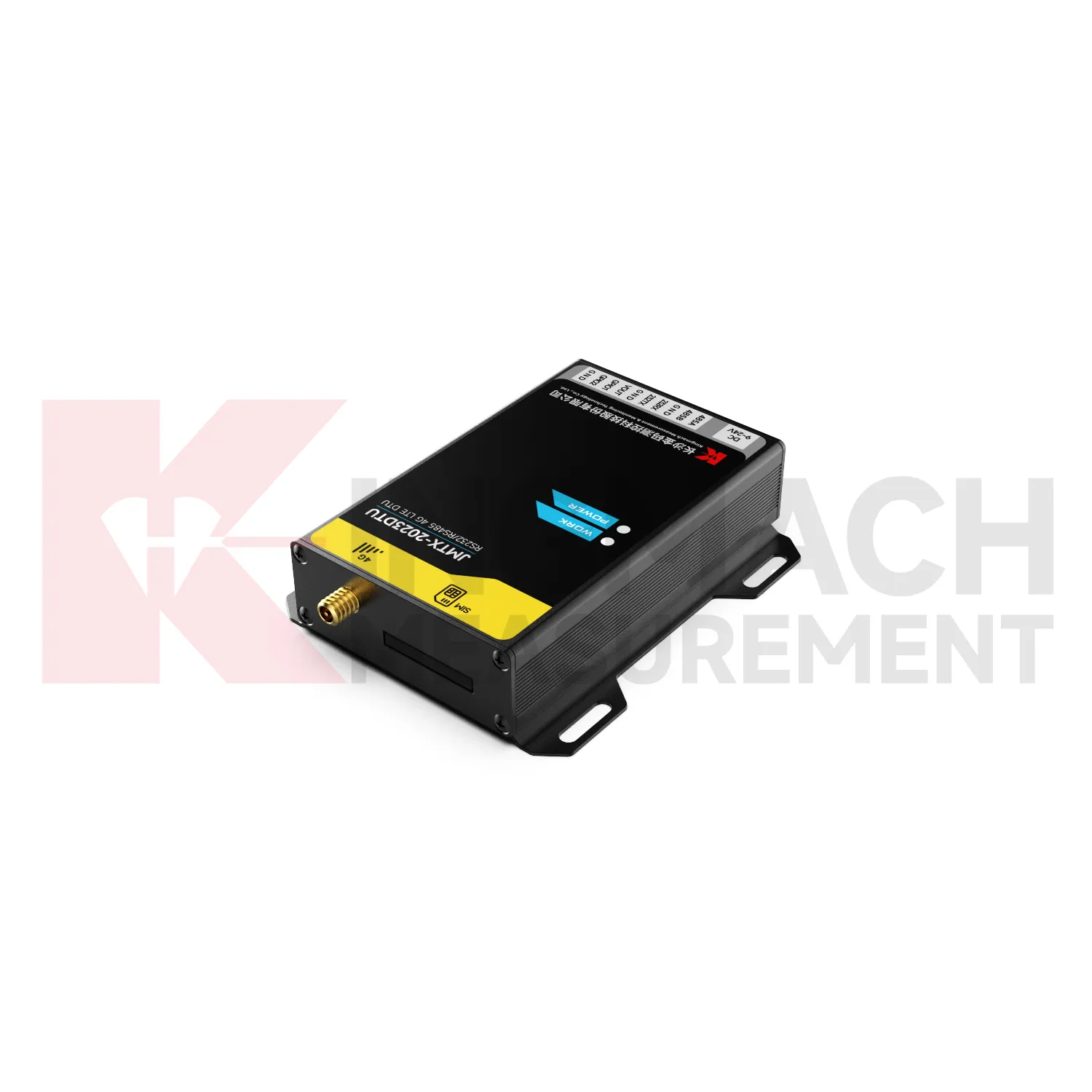
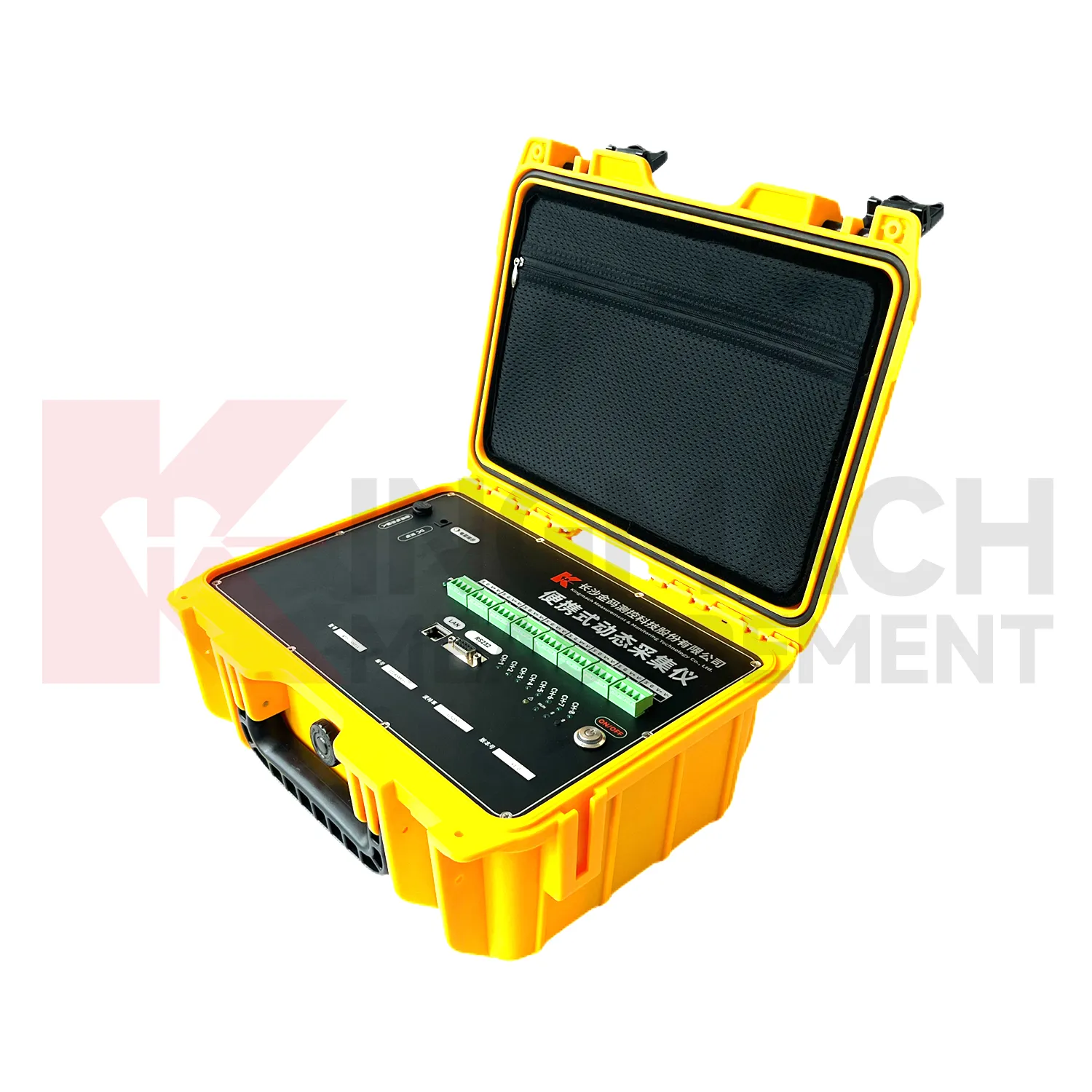
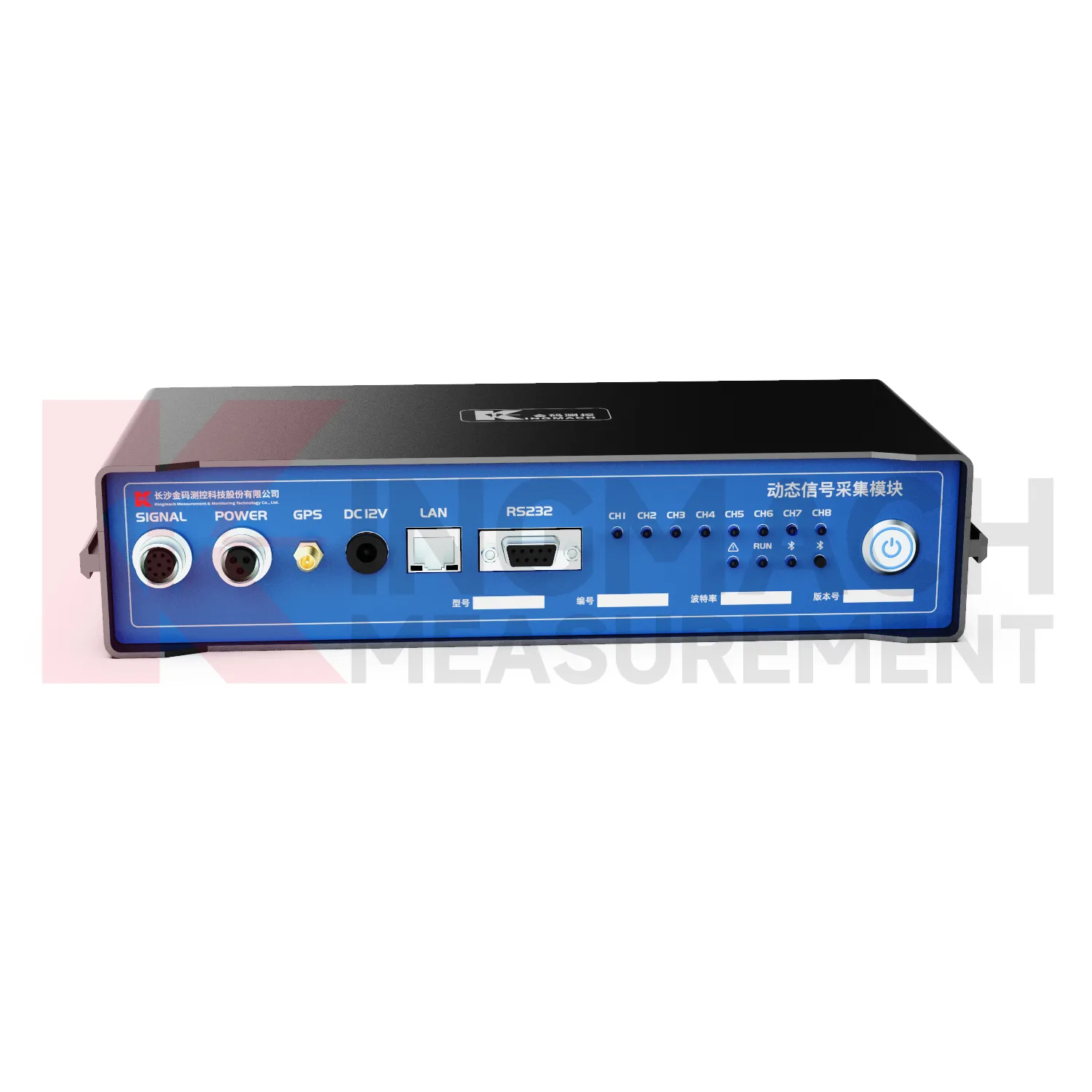
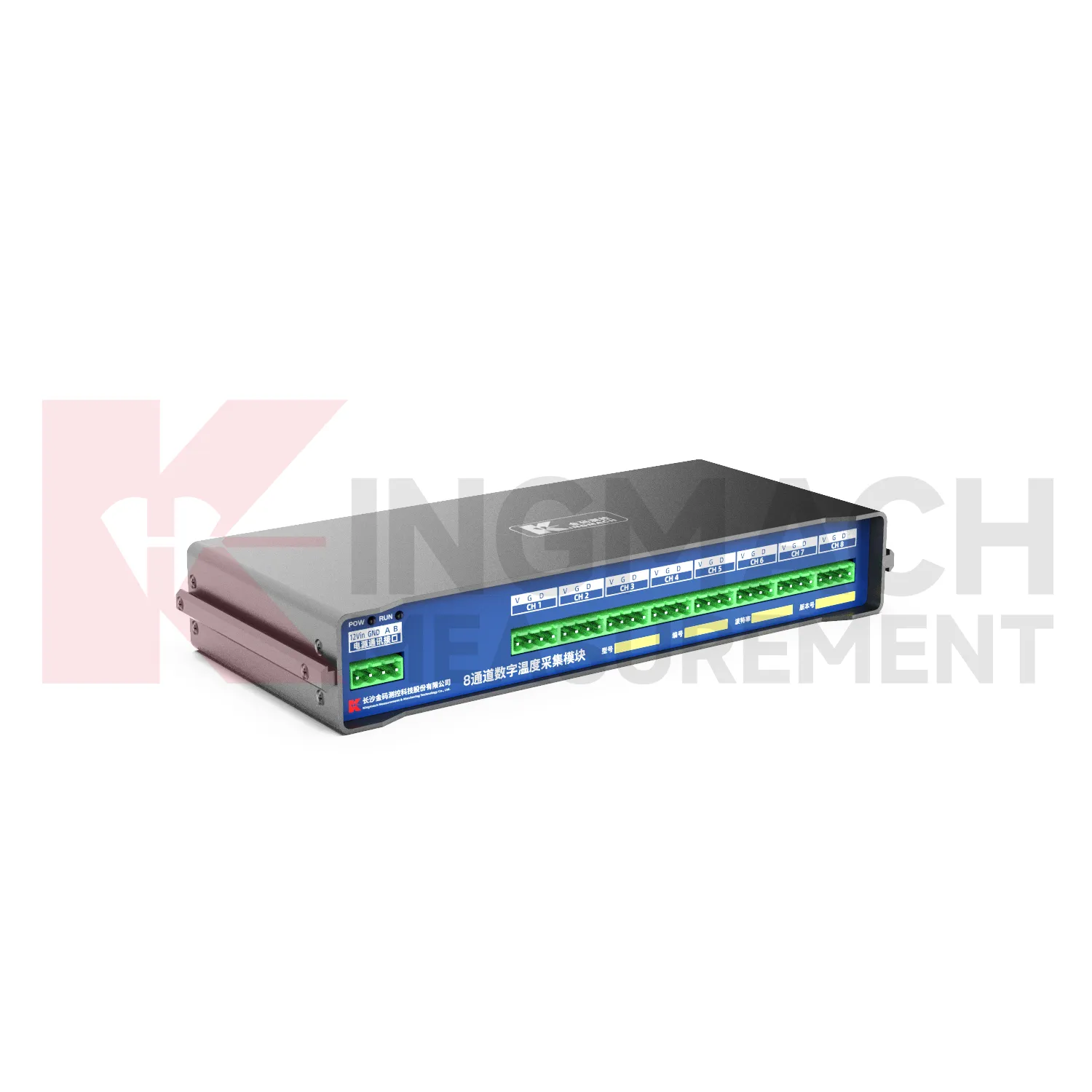
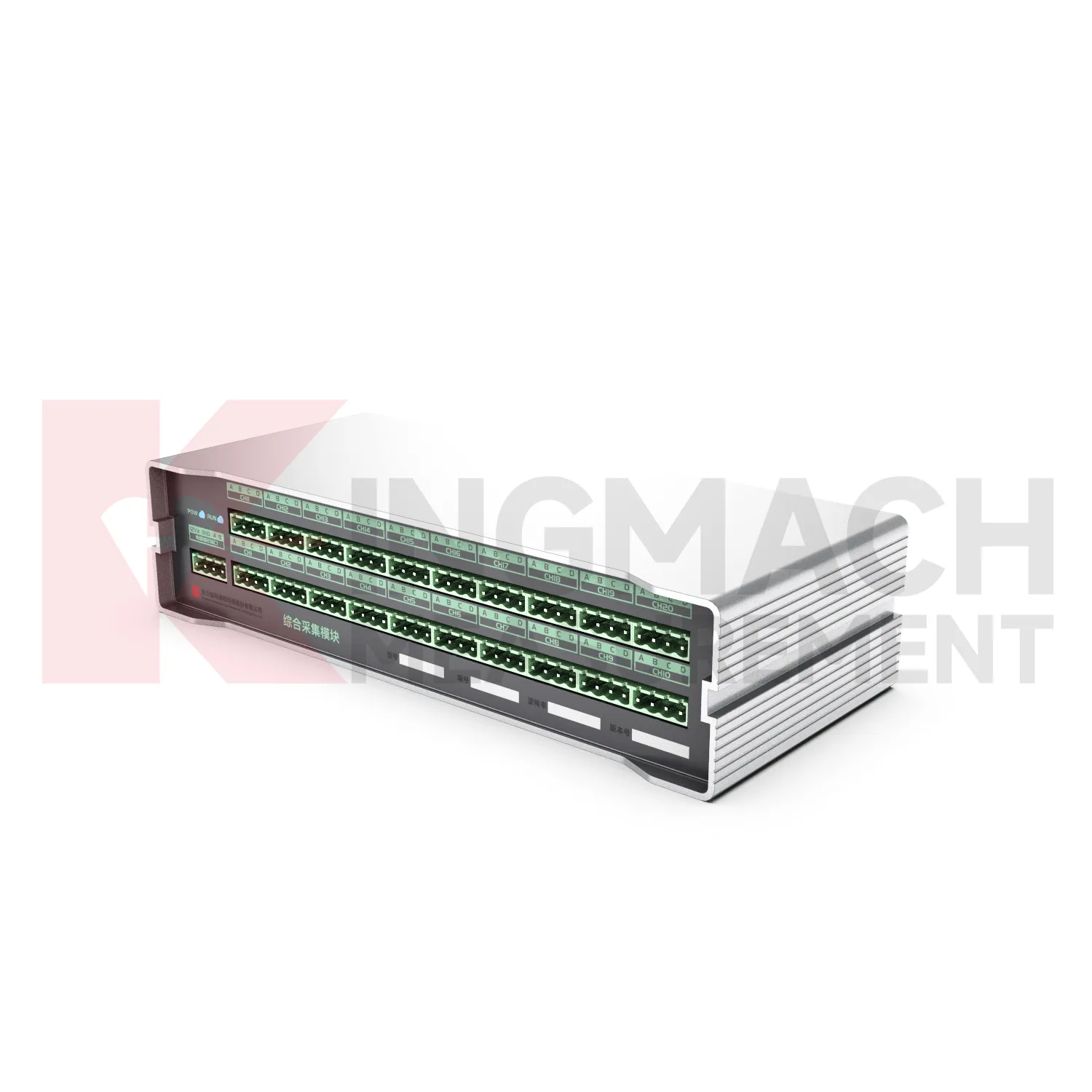
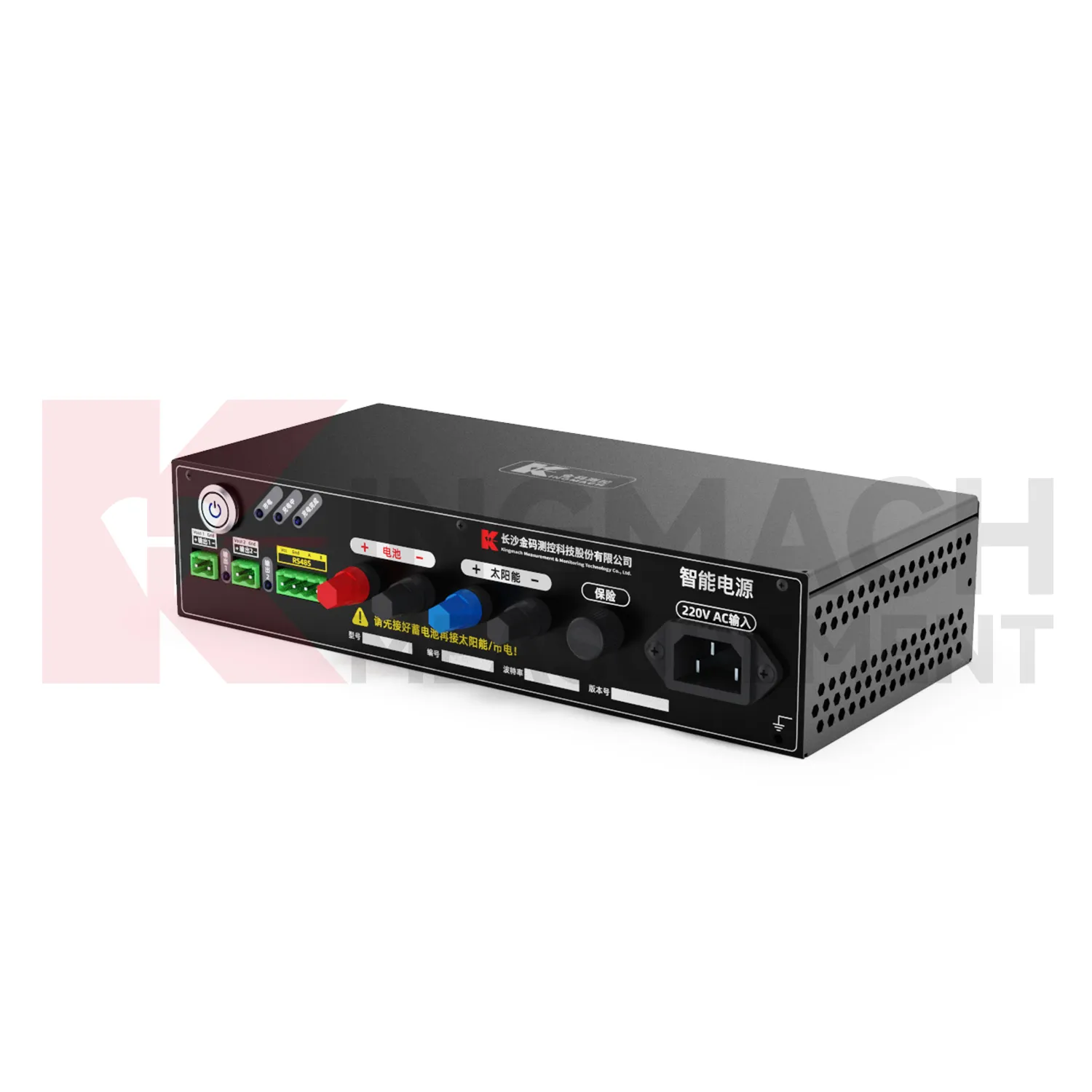
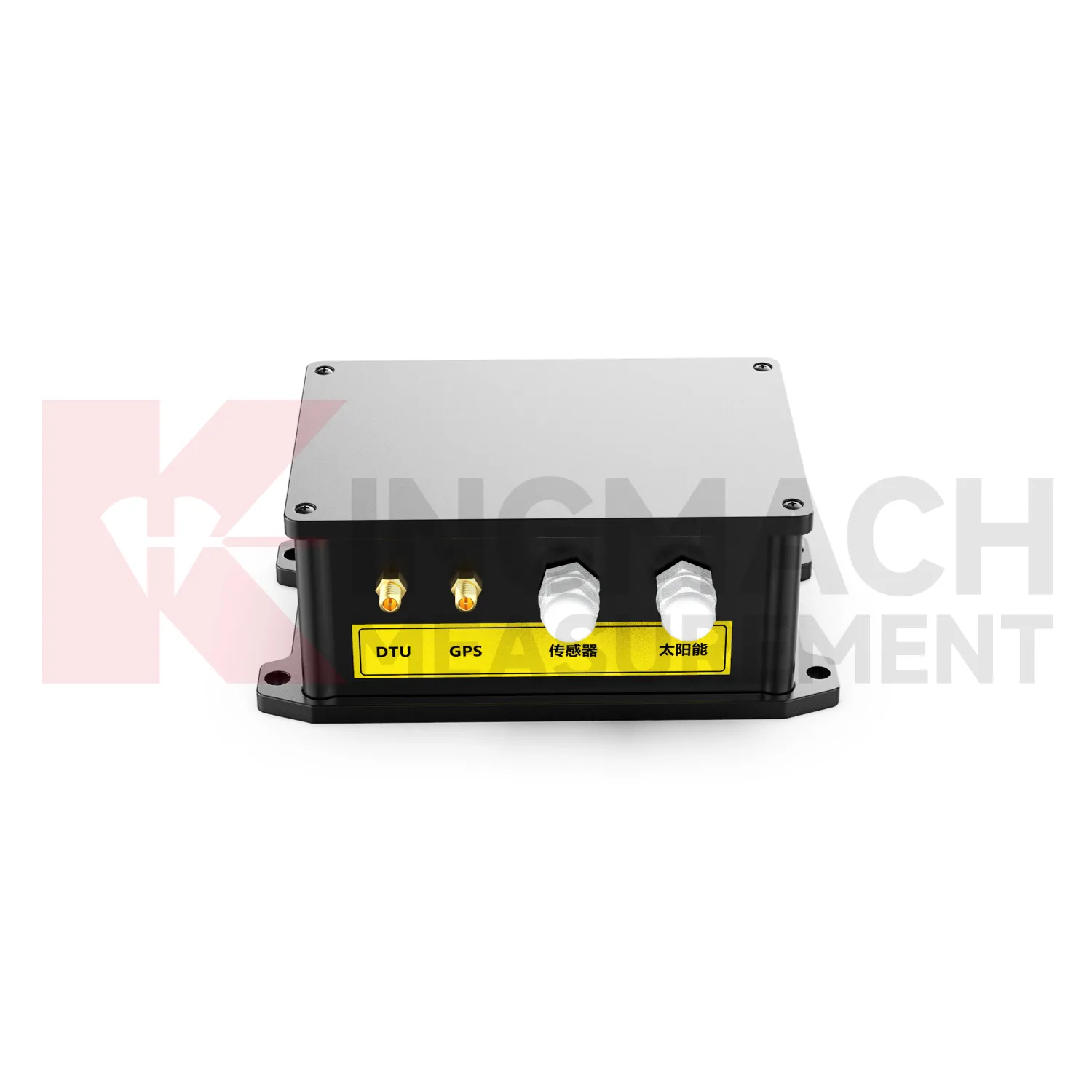
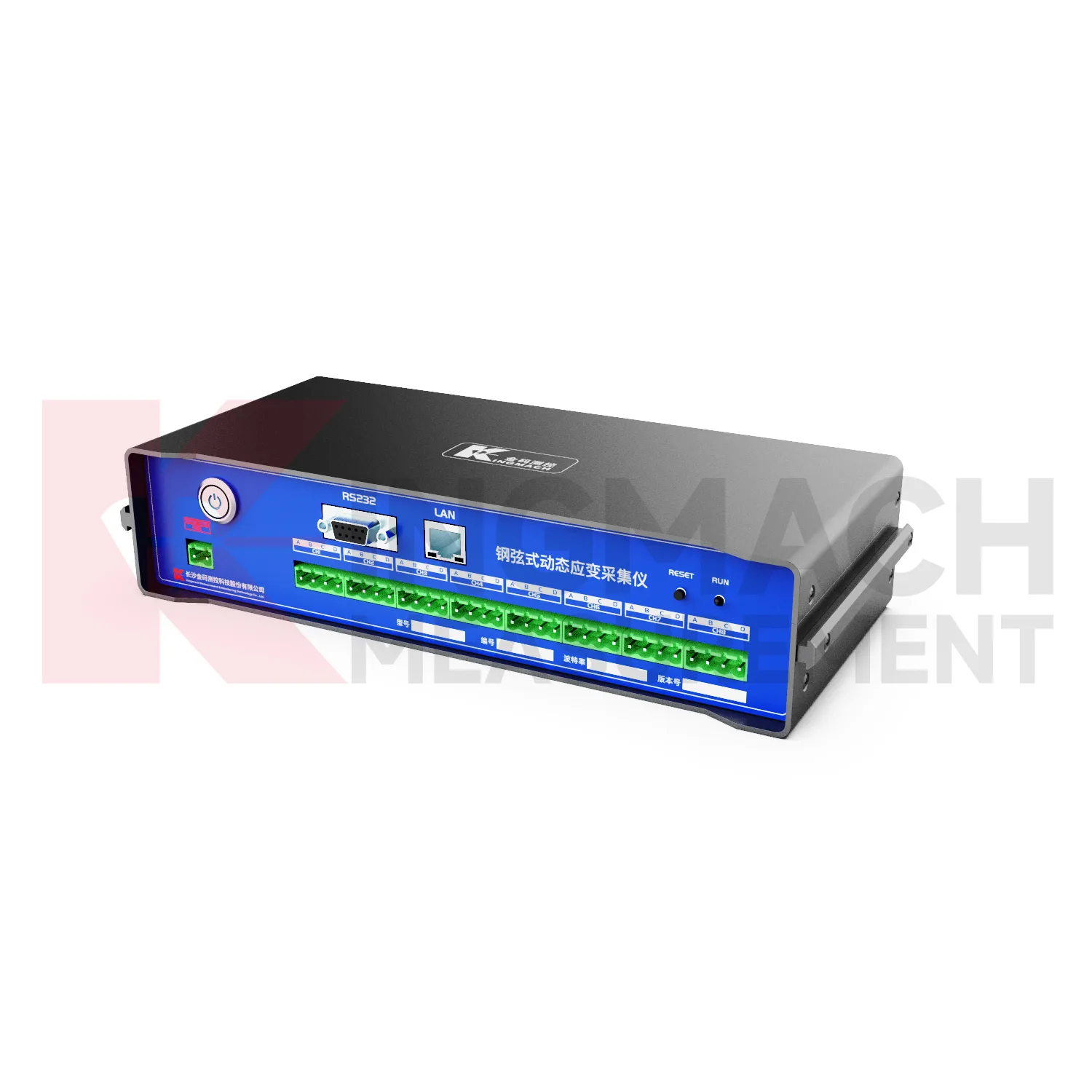
Kingmach temperature data logger wireless are evaluated through sensor compatibility and field workflow. A monitoring project may include vibrating wire strain gauges, earth pressure cells, load cells, piezometers, temperature sensors, displacement instruments, accelerometers, and digital bus sensors. The acquisition device must match the signal type and the way the record will be used. A handheld readout can be enough for periodic verification, while an unattended station needs power planning, enclosure protection, upload status, and storage review. Dynamic acquisition needs timing control and signal conditioning. The strongest setup connects the device selection with the physical point, measurement interval, maintenance access, and reporting duty. Compatibility also includes the people who handle the data. A field technician needs stable connection and clear display. An engineer needs channel identity, export format, and time history. An owner needs a record that can be understood after handover. When these needs are considered together, the acquisition device supports the full monitoring workflow instead of only reading a sensor value. For example, a wireless logger for a remote slope has different priorities from a portable readout used during bridge inspection. One emphasizes power, upload, and enclosure condition; the other emphasizes quick connection, display clarity, and clean export after the route. safely.
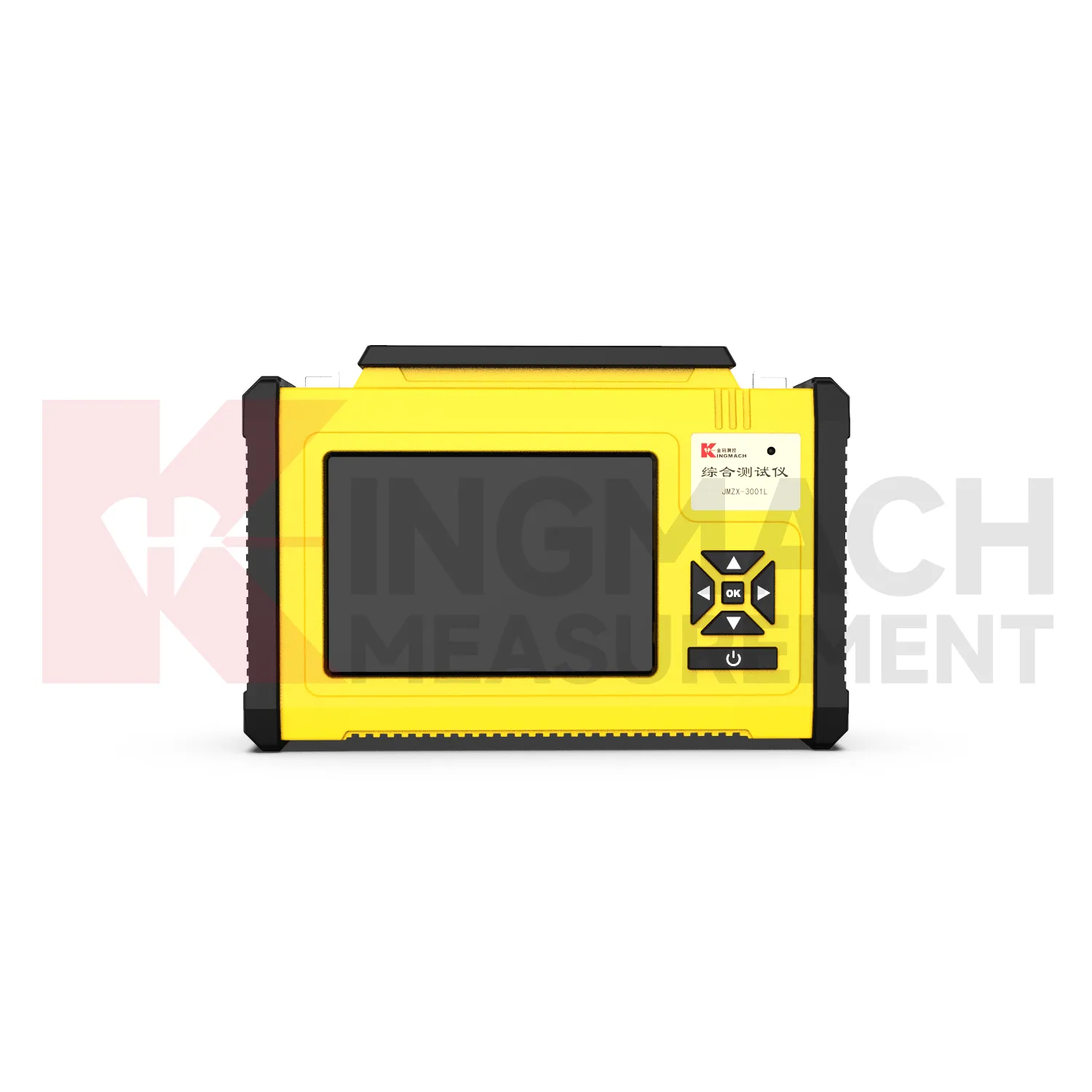
Application of temperature data logger wireless
Bridge monitoring uses Kingmach temperature data logger wireless to connect strain, displacement, tilt, cable force, vibration, temperature, and environmental records into a usable acquisition workflow. During construction, portable readouts can help field crews verify sensor installation before concrete placement, load testing, or traffic opening. During operation, data loggers can collect scheduled readings or dynamic events for comparison with traffic, wind, temperature, and maintenance activity. The acquisition device should preserve point names and time stamps so bridge engineers can compare records across spans, piers, cables, bearings, and decks. A good setup also supports handover because the owner can see which channels are active, which points are temporary, and which data belongs to long-term structural review. Bridge teams also need clean separation between routine trend records and short event files. A slow temperature-related strain drift, a traffic event, and a cable force check should not be mixed into one unexplained data pool. Channel maps, event labels, and export folders help the engineer trace each record back to the bridge component that produced it. This makes later review more dependable when maintenance work, load testing, or seasonal comparison requires evidence from several sensor groups. The same acquisition file can also support bearing replacement, deck repair, cable inspection, and post-event comparison when owners need to understand how the bridge behaved before and after work.
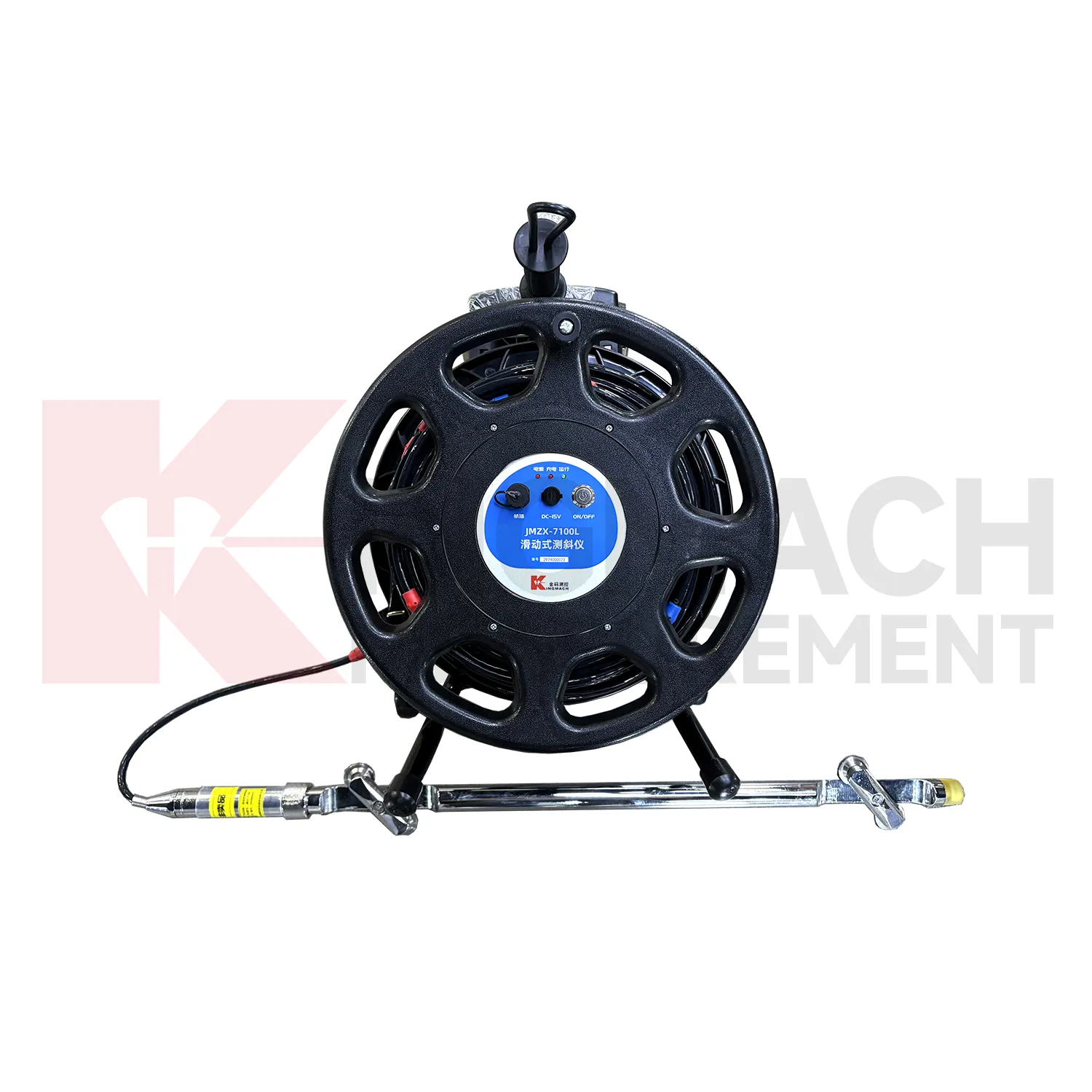
The future of temperature data logger wireless
Future Kingmach temperature data logger wireless will put more attention on data handover. Monitoring projects often outlast the team that installed the sensors. Future readouts and loggers should support records that remain understandable after staff changes, repairs, and platform updates. A handover package can include sensor lists, channel maps, baseline values, acquisition intervals, communication settings, and examples of normal readings. When this information stays connected with the data logger history, the owner can continue review without guessing how the system was configured. Digital handover should also record what changed after installation. If a logger is replaced, a channel is renamed, or an interval is adjusted, the station history should show the reason and date. This keeps the monitoring file usable for future contractors, maintenance teams, and asset managers. A good handover record can prevent repeated troubleshooting and helps new teams understand the monitoring logic before they make changes. during operation safely. over time.
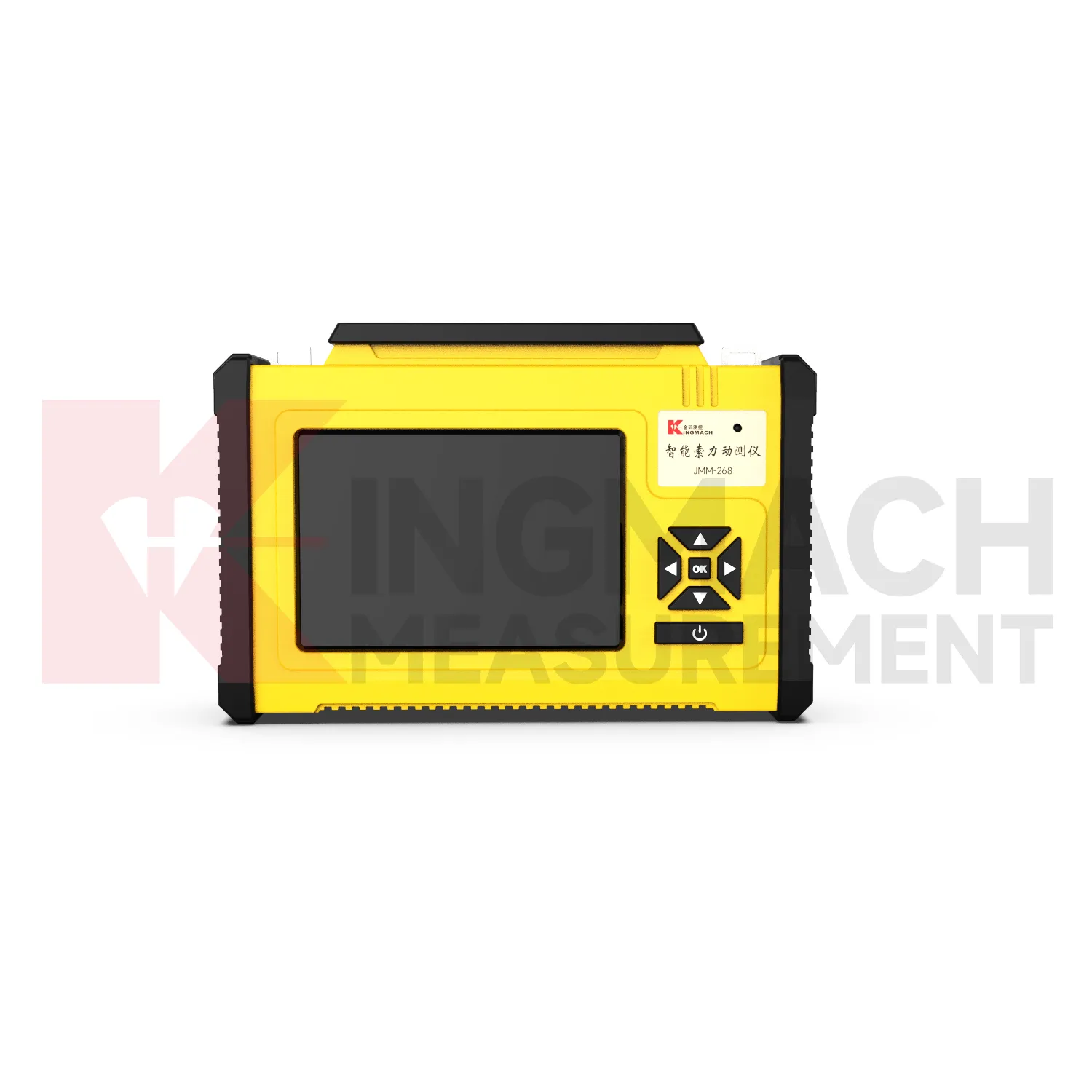
Care & Maintenance of temperature data logger wireless
Care and maintenance of Kingmach temperature data logger wireless should begin with channel and point identity. Every readout or logger record should match the physical sensor point, cable label, channel name, and project location. If labels fade, cables are moved, or channel names are changed without notes, later reviewers may not know which structure or sensor produced the value. Maintenance staff should keep updated channel lists, point photos, and connection diagrams. After a repair or reconnection, the first stable reading should be saved with a note about the work performed. This protects the monitoring history from avoidable confusion. Identity checks are especially important after sensor replacement or cabinet work. A technician should confirm the physical point before accepting a reading, then update the channel map if anything changed. This simple habit prevents a good value from being assigned to the wrong structure. during later review. by engineers and owners. over time. safely. clearly.
Kingmach temperature data logger wireless
Kingmach temperature data logger wireless connect field instruments with usable monitoring records for structural and geotechnical projects. A sensor may measure strain, displacement, tilt, temperature, vibration, pressure, or water behavior, but the engineering team still needs a dependable way to collect, display, store, and transfer that information. Readouts help technicians verify a point during installation or inspection, while data loggers support automatic acquisition over longer periods. The category is therefore part of the measurement chain, not an accessory afterthought. In bridges, tunnels, slopes, dams, buildings, and foundation pits, the quality of the record depends on channel naming, sensor compatibility, acquisition timing, power stability, communication status, and review discipline. A strong acquisition device keeps the sensor value connected with its physical location and measurement purpose. That connection helps the project team compare trends, review field events, and maintain confidence after the original installation team leaves.
FAQ
Q: What affects data reliability?
A: Power condition, cable connection, enclosure protection, channel labels, sensor compatibility, time settings, storage status, and field notes all affect reliability.
Q: What should be checked after maintenance?
A: Check the affected channel, first stable reading, cable route, device setting, power status, communication status, and whether the maintenance note is attached to the record.
Q: Why keep raw records?
A: Raw records allow engineers to review the original measurement behavior before filtering, summarizing, or comparing values with other site information.
Q: How do dynamic acquisition devices help?
A: They capture short events such as vibration, train passage, impact, blasting, or machinery activity with timing and channel information needed for later review.
Q: How can data gaps be reduced?
A: Use stable power, suitable acquisition intervals, protected enclosures, clear maintenance routines, communication checks, and scheduled data review. The record stays useful when point names, channel labels, sensor type, measurement time, and field condition are kept together, because later reviewers can connect the number with the actual structure and inspection history.
Reviews
James Thompson
The tiltmeters and accelerometers are very sensitive and provide precise data. Perfect for our structural health monitoring system.
David Wilson
We purchased displacement transducers and settlement sensors, and the quality exceeded our expectations. Easy installation and reliable performance.
Latest Inquiries
To protect the privacy of our buyers, only public service email domains like Gmail, Yahoo, and MSN will be displayed. Additionally, only a limited portion of the inquiry content will be shown.
Isabella***@gmail.comGermany
Hello, we are evaluating weir flow meters for a water management project. Please share accuracy deta...
Charlotte***@gmail.comUnited Arab Emirates
Hi, we require instrumentation cables suitable for harsh environments. Could you advise on specifica...
Related product categories
- Lowpower 4G Wireless Data Logger
- Industrial Automation Chassis
- Embedded Automation Chassis
- Rackmount Automation Chassis
- Custom Automation Chassis
- Integrated Automation Chassis
- Wallmount Automation Chassis
- Tilt Acquisition Module
- Temperature and Humidity Acquisition
- Platforms & Services
- Structural Health Monitoring (SHM) System
- Structural Monitoring Cloud Platform