
 EN
 ar
 bg
 hr
 cs
 da
 nl
 fi
 fr
 de
 el
 hi
 it
 ko
 no
 pl
 pt
 ro
 ru
 es
 sv
 tl
 iw
 id
 lv
 lt
 sr
 sk
 sl
 uk
 vi
 et
 hu
 th
 tr
 fa
 ms
 hy
 ka
 ur
 bn
 mn
 ta
 kk
 uz
 ku

piezo electric accelerometer
Three-direction acceleration measurement is useful when motion may occur in more than one direction. Kingmach acceleration equipment can support structural vibration, impact and blasting monitoring, cable tension review, earthquake and collapse monitoring, and dynamic work in bridges, railways, vehicles, ships, machinery, metallurgy, construction, and transportation. The value is not simply that three channels are recorded; the value is that engineers can see whether the structure moves vertically, laterally, longitudinally, or as a combined response. That helps when a vibration source is uncertain or when direction affects diagnosis, comfort, safety, or maintenance planning. The review should keep each axis label clear and should avoid mixing channel names during platform setup. Directional clarity is one of the simplest ways to make dynamic records easier to trust over time.
Long-term monitoring benefits from repeatable procedure. When the same point, direction, event definition, and analysis method are preserved, new vibration records can be compared with earlier records in a defensible way.
The report should not leave the waveform isolated. It should explain what the asset was doing, why the point was measured, which event triggered interest, and what follow-up action or observation was made.
Dynamic data can be sensitive to small field changes. A new bracket, nearby machine, temporary work platform, changed cable route, or software update can alter the record, so those changes belong in the maintenance history.
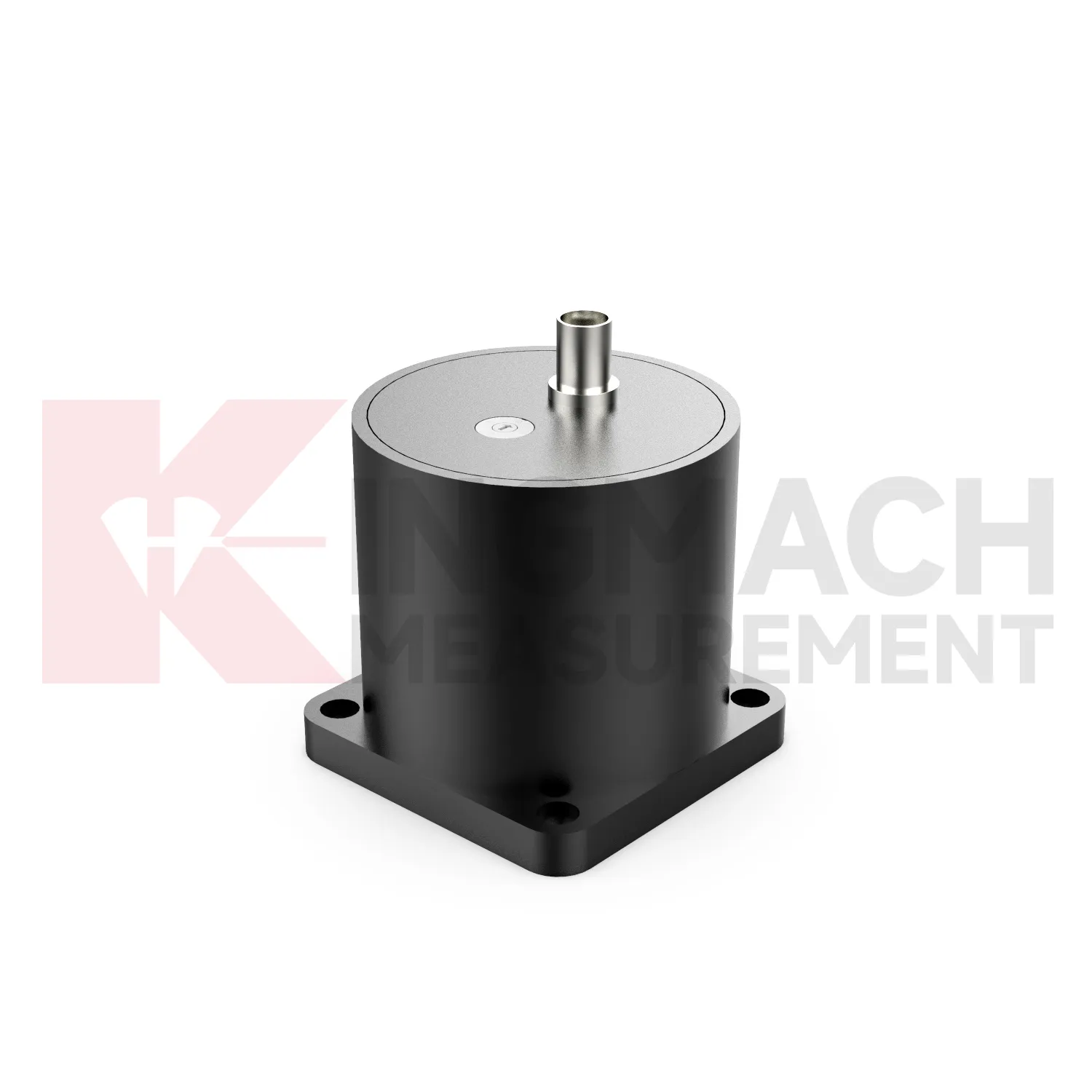
Application of piezo electric accelerometer
Building vibration monitoring uses Kingmach piezo electric accelerometer when occupants, equipment, nearby construction, traffic, or structural flexibility create motion that needs a measured record. The task may involve a floor, column, machine base, roof structure, or adjacent building. Acceleration data helps determine whether the motion is occasional, continuous, low-frequency, impact-related, or tied to a specific operating condition. A useful building record includes sensor location, mounting method, axis direction, activity during measurement, and related crack or settlement observations. This makes the result understandable to engineers, owners, and maintenance teams. It also helps separate comfort concerns from structural concerns. A floor that vibrates during machine operation may need a different response from a wall that moves during excavation nearby.
In occupied buildings, the review should connect measured motion with time of day, equipment schedules, tenant reports, nearby road activity, and any construction work. This human and operational context helps explain why a vibration is noticed, when it occurs, and whether it repeats under the same conditions.
The field team should also keep the point discreet but verifiable. A sensor hidden from accidental contact still needs a clear photo, point name, and axis record. That balance protects the device while giving engineers enough information to compare future measurements.
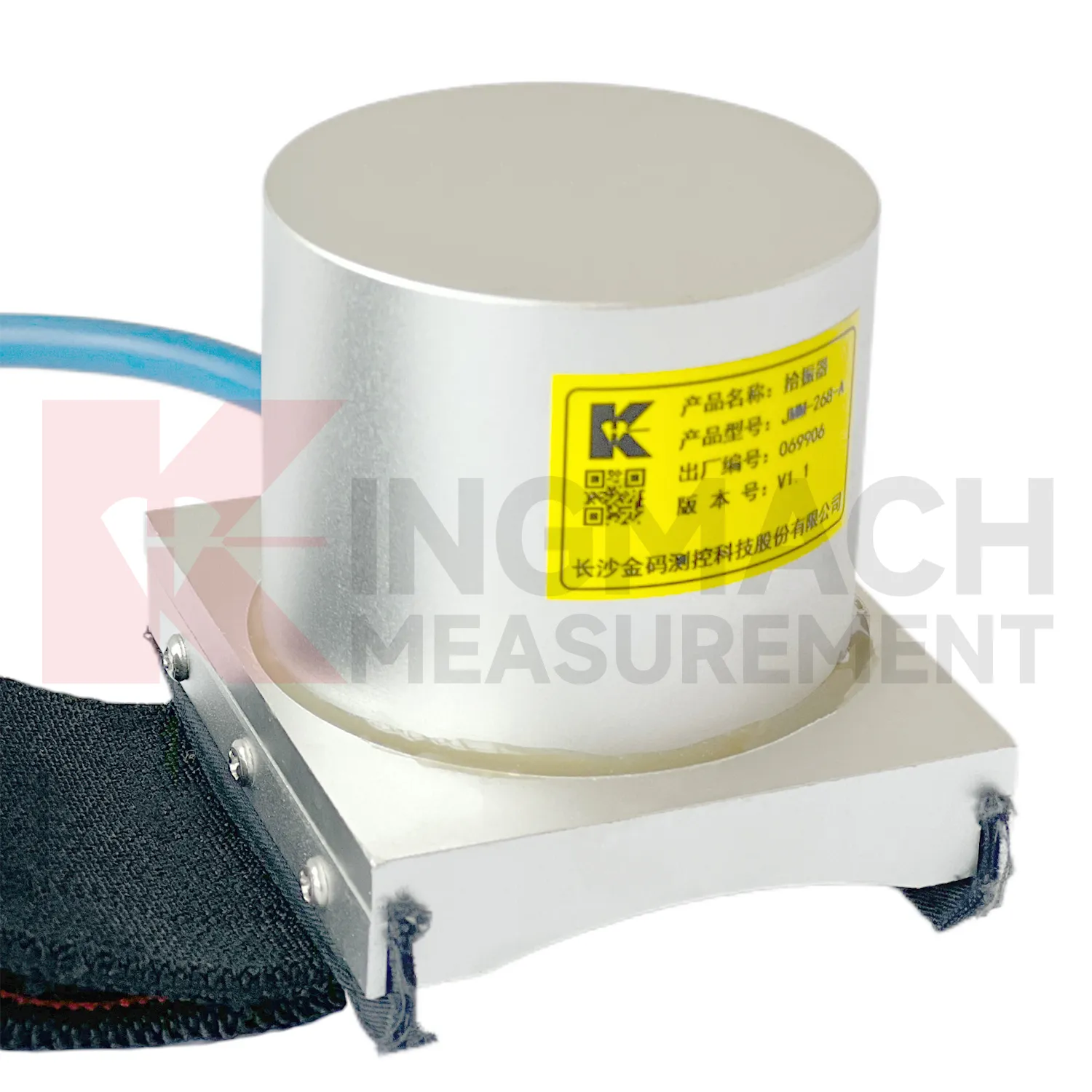
The future of piezo electric accelerometer
The future of Kingmach piezo electric accelerometer will make long-term asset records more useful. Dynamic response can change as a bridge ages, a cable is adjusted, a machine foundation settles, or a building is modified. When acceleration records are stored with event notes, maintenance history, and related sensor data, owners can compare present behavior with past behavior. That long view helps separate one-time events from gradual change. A mature monitoring record turns vibration measurement into part of asset management. It also helps teams decide whether to inspect, continue observing, adjust equipment, or compare a new event with an earlier one.
Future asset records should preserve examples of normal behavior, not only alarms. A bridge, tunnel, machine base, or building floor may have a familiar vibration pattern during routine operation. Keeping those examples helps reviewers judge whether a later event is genuinely new.
This long view also supports budgeting. If certain points show repeated events after maintenance, weather, or operating changes, owners can plan inspection and repair work around evidence rather than reacting to isolated traces.
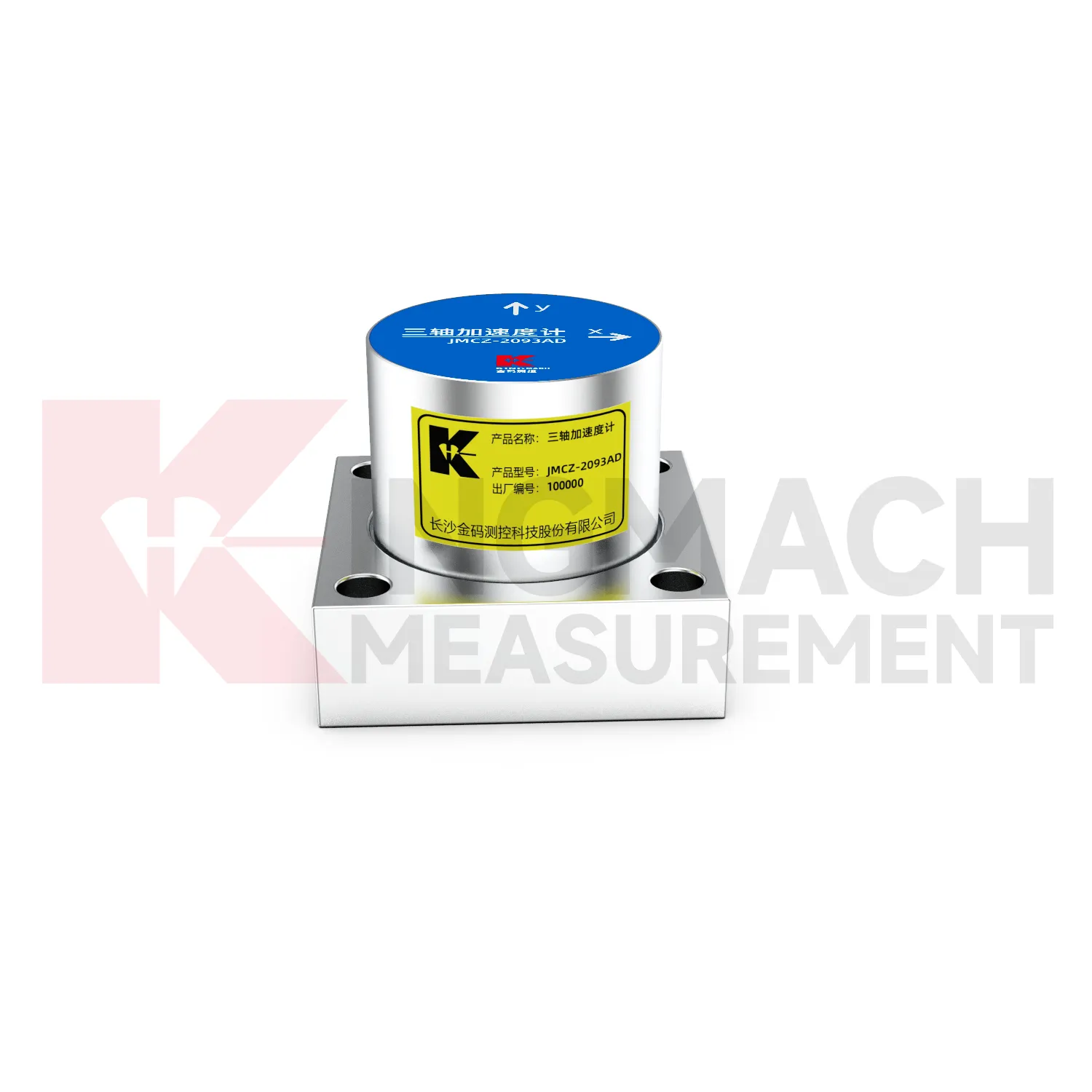
Care & Maintenance of piezo electric accelerometer
Axis control keeps Kingmach piezo electric accelerometer records understandable. A sensor may be installed vertically, longitudinally, laterally, or in three directions depending on the monitoring task. If the axis direction is not written down, later reviewers may not know what the waveform represents. Mark the direction on drawings, photographs, and channel names. If a sensor is removed and reinstalled, confirm the direction again. Axis mistakes can create years of confusing data, especially on bridges, towers, tunnels, and machinery foundations. A simple label at installation can prevent serious interpretation problems later.
Dynamic data can be sensitive to small field changes. A new bracket, nearby machine, temporary work platform, changed cable route, or software update can alter the record, so those changes belong in the maintenance history.
For owner handover, the file should include point photos, axis labels, acquisition settings, related structural channels, and examples of normal behavior. That helps future reviewers understand whether a later event is unusual.
Kingmach piezo electric accelerometer
The strength of Kingmach piezo electric accelerometer is clearest when the data is connected to analysis. Dynamic testing systems can turn vibration signals into curves, frequency information, and engineering values when the project is configured for that purpose. The sensor is only the first part of the chain. Mounting, wiring, acquisition, time alignment, software review, and reporting all shape the final value of the measurement. A well-built data chain helps teams see whether a signal is stable, intermittent, growing, or tied to a known event. If any part of the chain is weak, the curve may still appear complete while the engineering meaning remains uncertain.
If the reading changes suddenly, the first check should include the sensor attachment, cable route, connector, channel name, and recent field activity. This prevents a maintenance issue from being mistaken for structural behavior.
Long-term monitoring benefits from repeatable procedure. When the same point, direction, event definition, and analysis method are preserved, new vibration records can be compared with earlier records in a defensible way.
FAQ
Q: What are Kingmach piezo electric accelerometer used for?
A: They are used to record acceleration and vibration behavior so engineers can review structural motion, frequency response, impact events, ground motion, and cable vibration.
Q: Where are they commonly applied?
A: They are used in bridges, buildings, tunnels, railways, machinery areas, ground-motion stations, wind towers, and construction vibration monitoring.
Q: Why not rely only on visual inspection?
A: Many dynamic problems happen too quickly or too subtly to see, while acceleration records preserve timing, direction, and frequency information.
Q: Can acceleration data support cable force review?
A: Yes, when the vibration measurement and calculation method are configured correctly for the cable being tested.
Q: Should acceleration data be reviewed alone?
A: No. It is stronger when compared with strain, displacement, tilt, load, environmental records, and inspection notes.
During interpretation, the team should compare the motion with nearby strain, displacement, tilt, load, wind, temperature, traffic, machinery, or construction notes. That wider view helps separate normal response from a pattern that needs inspection.
Reviews
Daniel Brown
Excellent environmental monitoring sensors. The data is consistent, and the system integrates smoothly with our existing setup.
Andrew Lee
The visualization software is intuitive and powerful. It helps us analyze monitoring data efficiently.
Latest Inquiries
To protect the privacy of our buyers, only public service email domains like Gmail, Yahoo, and MSN will be displayed. Additionally, only a limited portion of the inquiry content will be shown.
Mia***@gmail.comNetherlands
Dear team, we are interested in your readouts & data loggers compatible with multiple sensors. Do yo...
Olivia***@gmail.comUnited States
Hello, we are currently sourcing high-precision strain gauges and load cells for a bridge monitoring...