
 EN
EN
 ar
ar bg
bg hr
hr cs
cs da
da nl
nl fi
fi fr
fr de
de el
el hi
hi it
it ko
ko no
no pl
pl pt
pt ro
ro ru
ru es
es sv
sv tl
tl iw
iw id
id lv
lv lt
lt sr
sr sk
sk sl
sl uk
uk vi
vi et
et hu
hu th
th tr
tr fa
fa ms
ms hy
hy ka
ka ur
ur bn
bn mn
mn ta
ta kk
kk uz
uz ku
ku
VW strain gauges
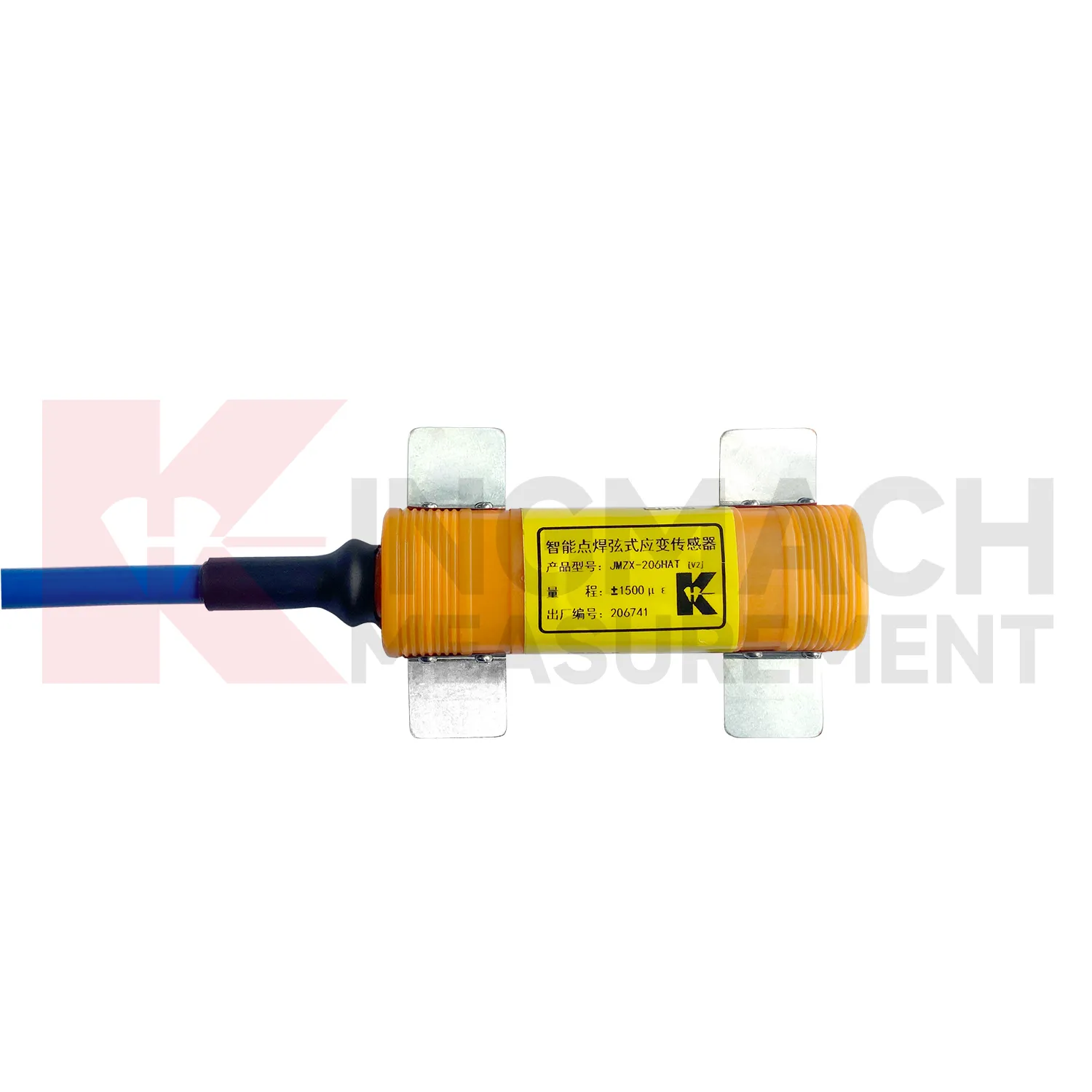
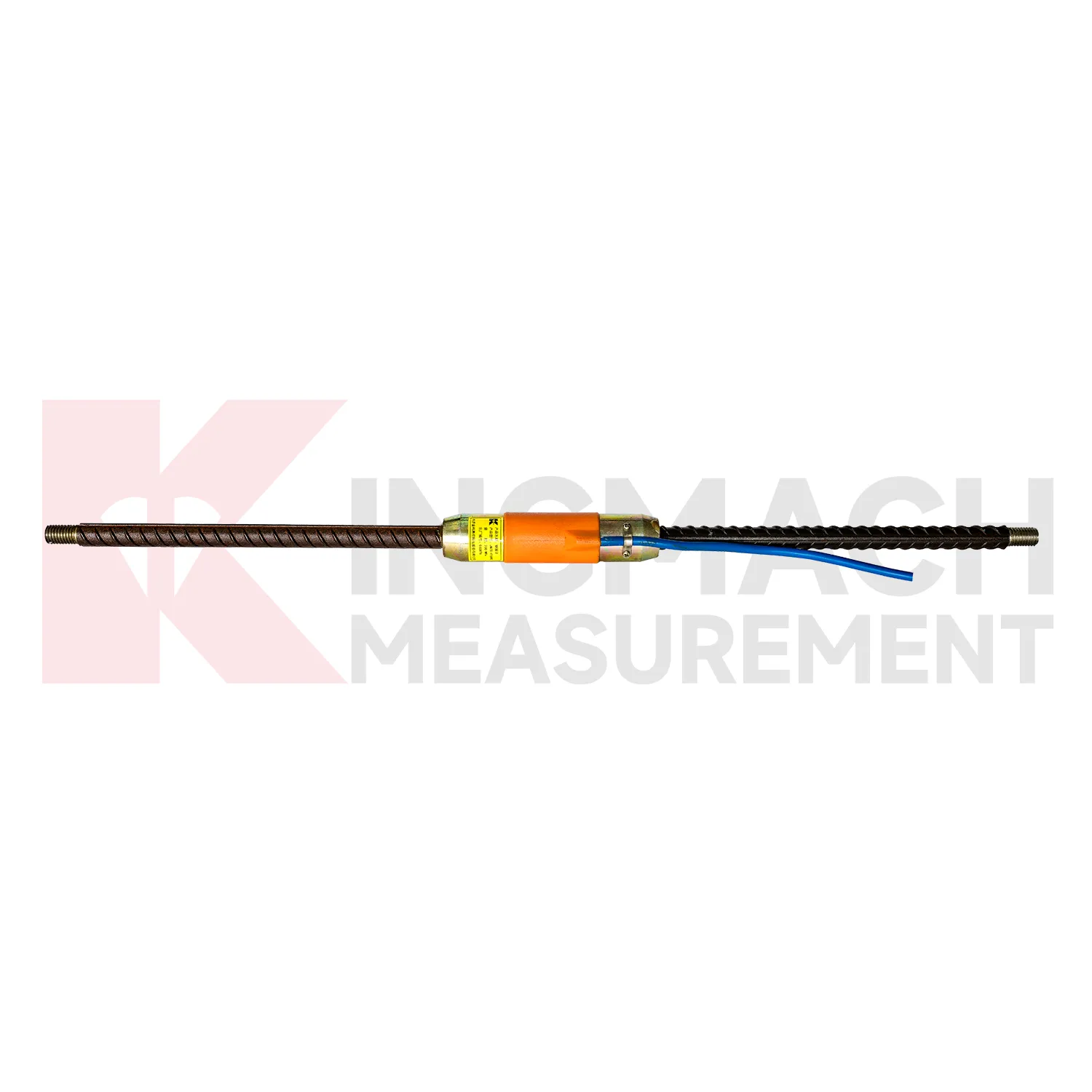
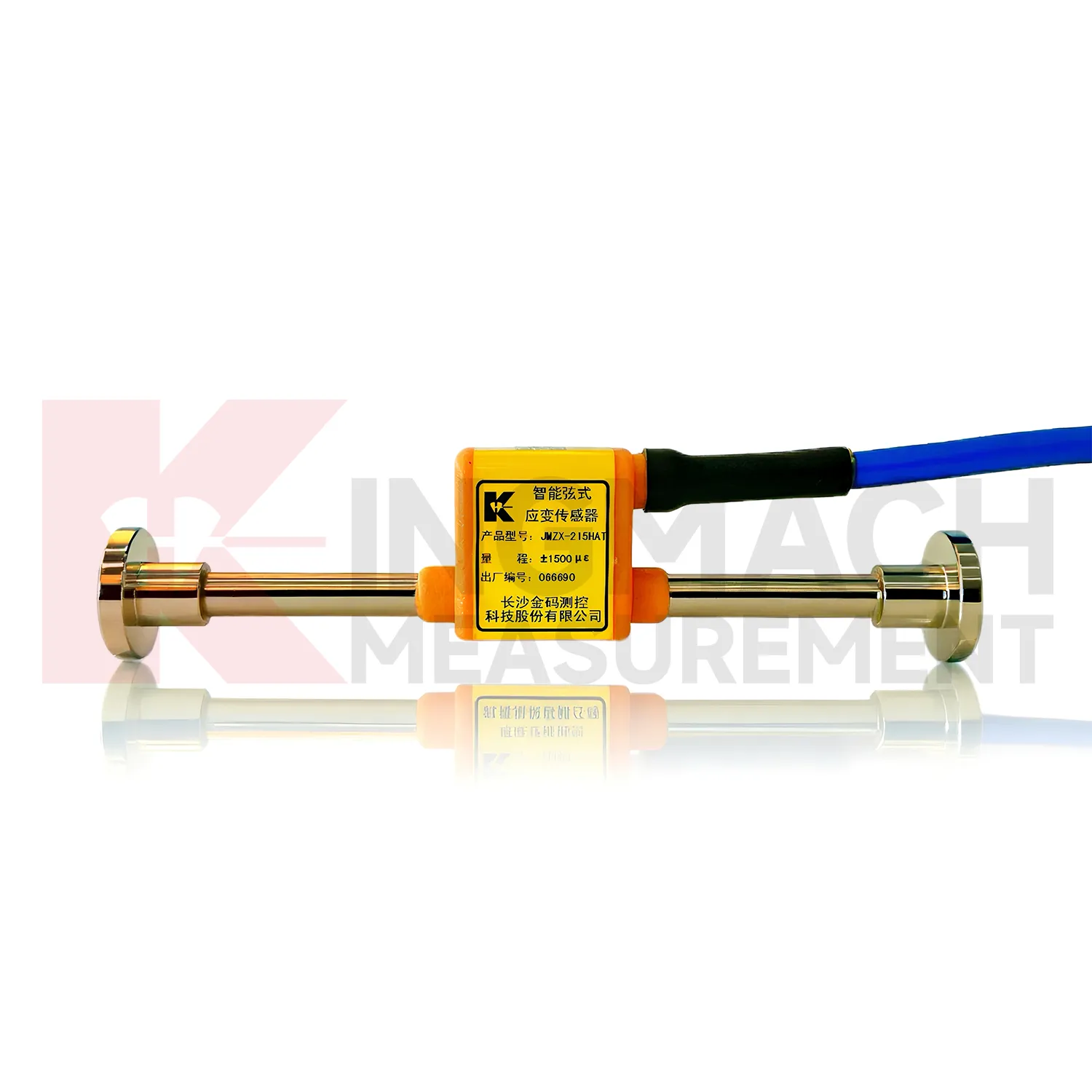
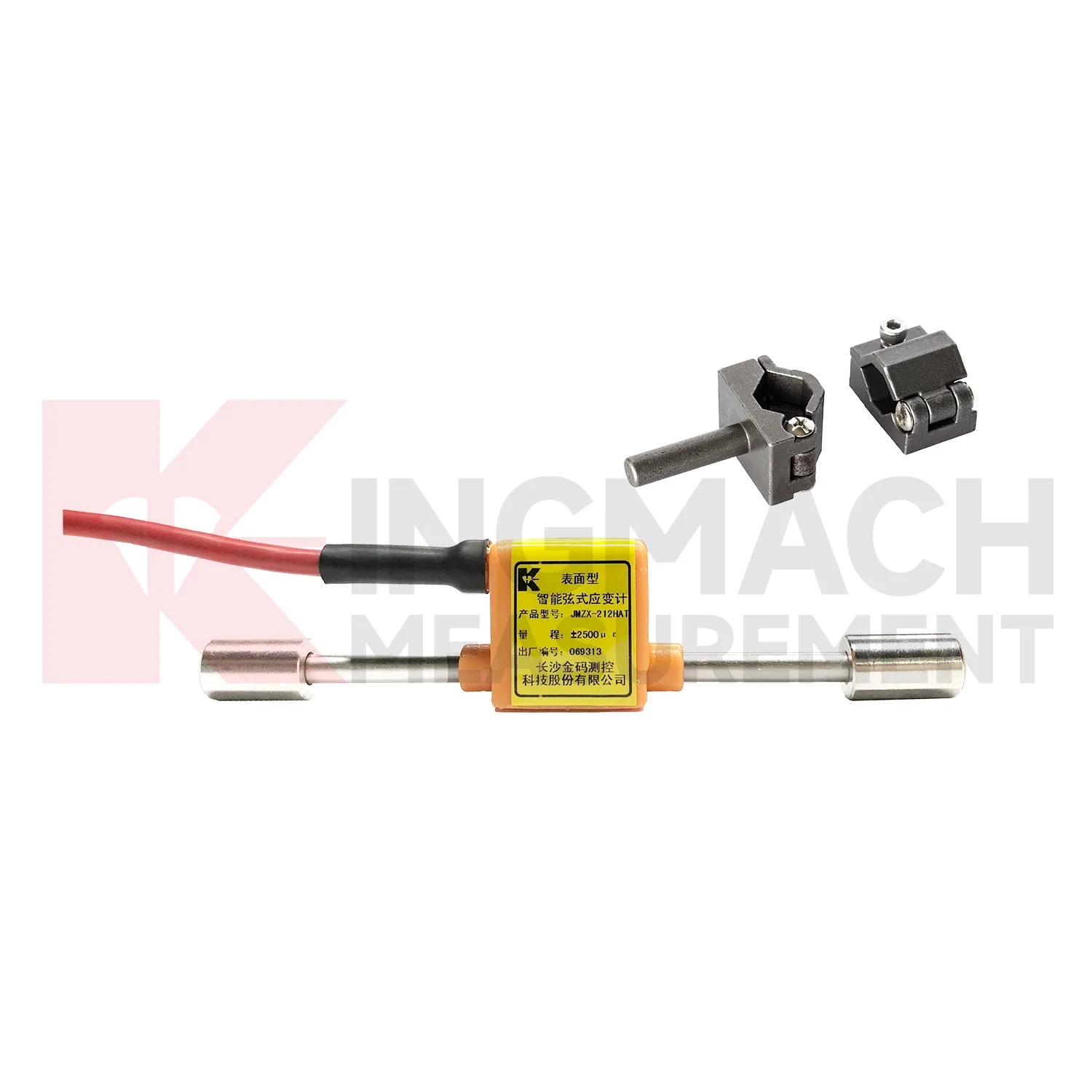
When buyers compare {keyword}, they often look for accuracy, range, waterproofing, installation method, and data output. Kingmach's strain gauge range answers those points with models for surface mounting, embedment, welded steel surfaces, and rebar stress measurement. The JMZX-212HAT/HB surface model reaches ±2500 microstrain with 0.5%F.S. accuracy and 0.1 microstrain resolution. The JMZX-215HA/215HAT/HB embedded model is designed for concrete internal strain and uses a lightweight, high sensitivity structure that can observe shrinkage and creep during early concrete setting. The JMZX-4XXHAT/HB rebar strainmeter covers -200 MPa to 350 MPa with 2 MPa waterproof performance. These specifications help engineers match product form to the monitoring point, whether the concern is steel surface stress, concrete internal strain, reinforcement stress, or automated long term data collection. These parameters help engineers avoid overgeneral selection. A surface model, embedded model, welded model, and rebar strainmeter solve different installation problems, so the final decision should consider material, access, concrete stage, steel surface condition, and expected service life. For field teams, those details also shape installation tools, spare cable length, readout selection, and protection work. They also help the owner decide whether manual reading, scheduled logging, or unattended monitoring is the better operating method.
Application of VW strain gauges
For slope, retaining wall, and foundation pit monitoring, {keyword} can be used on anchor rods, steel braces, retaining piles, reinforcement cages, or concrete support structures. These projects need early warning on stress redistribution, crack extension, support overload, and ground movement effects. Kingmach JMZX-4XXHAT/HB rebar strainmeters measure reinforcement stress across -200 MPa to 350 MPa with 0.1 MPa sensitivity and 0.5%F.S. accuracy, while the waterproof structure reaches 2 MPa. That makes the product suitable for buried or wet reinforced concrete members where ordinary surface checks are not enough. In deep excavation, strain data can be reviewed with displacement meters, tiltmeters, settlement sensors, and water level data. The combined record helps engineers decide whether support members are carrying load safely during each construction stage. Kingmach systems can pair the strain point with automated acquisition, which reduces manual reading work in locations that are dangerous, remote, or disruptive to access. That is often the difference between occasional checks and a useful monitoring record. When data is collected automatically, engineers can compare daily movement instead of relying on occasional manual readings. This gives the project team a better way to separate normal behavior from a change that needs inspection.
The future of VW strain gauges
In building and underground projects, {keyword} will become more closely tied to construction stage control. Excavation, concrete pouring, temporary support removal, and equipment installation all change strain behavior. Kingmach embedded gauges, rebar strainmeters, and welded gauges can feed readings into automated systems during each stage. Future platforms may connect those readings with BIM models or digital twin views, so engineers can see which member, brace, lining, or reinforcement cage is changing. This is where AI warning analysis can help, provided it uses site events and nearby sensor data rather than a blind alarm threshold. The product direction is clear: more context, better records, and faster field decisions. Digital twin adoption will also increase demand for strain readings that are tied to exact structural locations, not vague channel names or disconnected spreadsheets. The strongest gains will come from cleaner records and faster fault checks. Those improvements fit long term infrastructure monitoring better than one time testing.
Care & Maintenance of VW strain gauges
Care for {keyword} starts before the first reading. During installation, the surface or mounting point must be prepared according to the model: surface gauges need clean concrete or steel, embedded gauges must be tied securely to rebar or brackets before pouring, and JMZX-206HAT welded gauges require a polished 10 x 80 mm flat steel area for spot welding. Cable routing should avoid sharp edges, standing water, welding heat, and worker traffic. For long term use, check protective coating, cable glands, junction boxes, and channel labels during inspection. Kingmach vibrating wire models may include temperature correction, so the temperature channel should also be verified. Good early records make later drift or abnormal strain much easier to diagnose. During long term use, maintenance staff should keep the original installation photo, calibration sheet, baseline reading, and channel name together so later teams can understand any drift or sudden change. Keep these checks in the project log.
Kingmach VW strain gauges
On a real site, {keyword} is usually one part of a wider monitoring network. The sensor reads strain at a selected point, while readouts, data loggers, acquisition modules, cables, and software carry the data into a review process. Kingmach's catalog follows that field logic by pairing strain gauges with comprehensive readouts, automated acquisition systems, instrumentation cables, and monitoring platforms. This matters because poor signal handling can waste a good sensor. A stable strain reading helps engineers judge whether steel beams, concrete members, support braces, piles, or anchors are working within expected limits. It also gives owners a record they can compare against temperature, displacement, settlement, vibration, and construction events. In a Kingmach project, the sensor reading is normally reviewed with site records, not treated as an isolated number, which keeps the data useful during construction and operation. It also gives engineers a cleaner baseline for later comparison. The same data can guide inspection notes and repair timing.
FAQ
Q: How do I select {keyword} for concrete structures?
A: Use embedded gauges for internal concrete strain, surface gauges for exposed concrete, and rebar strainmeters when reinforcement stress is the main concern.
Q: Which model fits steel structures?
A: JMZX-206HAT is designed for surface welded installation on steel members and covers -1500 to +2500 microstrain.
Q: Can it measure temperature too?
A: Temperature versions can measure the monitoring point temperature, with a thermometer range from -40℃ to +120℃ and ±0.5℃ accuracy on listed models.
Q: What should be checked before installation?
A: Confirm surface preparation, model type, cable route, channel name, acquisition setting, waterproof protection, and calibration data.
Q: Can it connect to automatic data collection?
A: Yes. Kingmach gauges can be paired with comprehensive readouts and automated acquisition systems for unattended measurement.
Reviews
James Thompson
The tiltmeters and accelerometers are very sensitive and provide precise data. Perfect for our structural health monitoring system.
Andrew Lee
The visualization software is intuitive and powerful. It helps us analyze monitoring data efficiently.
Latest Inquiries
To protect the privacy of our buyers, only public service email domains like Gmail, Yahoo, and MSN will be displayed. Additionally, only a limited portion of the inquiry content will be shown.
Ava***@gmail.comAustralia
Hi, I am looking for reliable tiltmeters and accelerometers for structural health monitoring. Please...
Evelyn***@gmail.comSouth Africa
Hi, we are a contractor working on tunnel construction and need settlement sensors and displacement ...