
 EN
EN
 ar
ar bg
bg hr
hr cs
cs da
da nl
nl fi
fi fr
fr de
de el
el hi
hi it
it ko
ko no
no pl
pl pt
pt ro
ro ru
ru es
es sv
sv tl
tl iw
iw id
id lv
lv lt
lt sr
sr sk
sk sl
sl uk
uk vi
vi et
et hu
hu th
th tr
tr fa
fa ms
ms hy
hy ka
ka ur
ur bn
bn mn
mn ta
ta kk
kk uz
uz ku
ku
Structural Safety Assessment
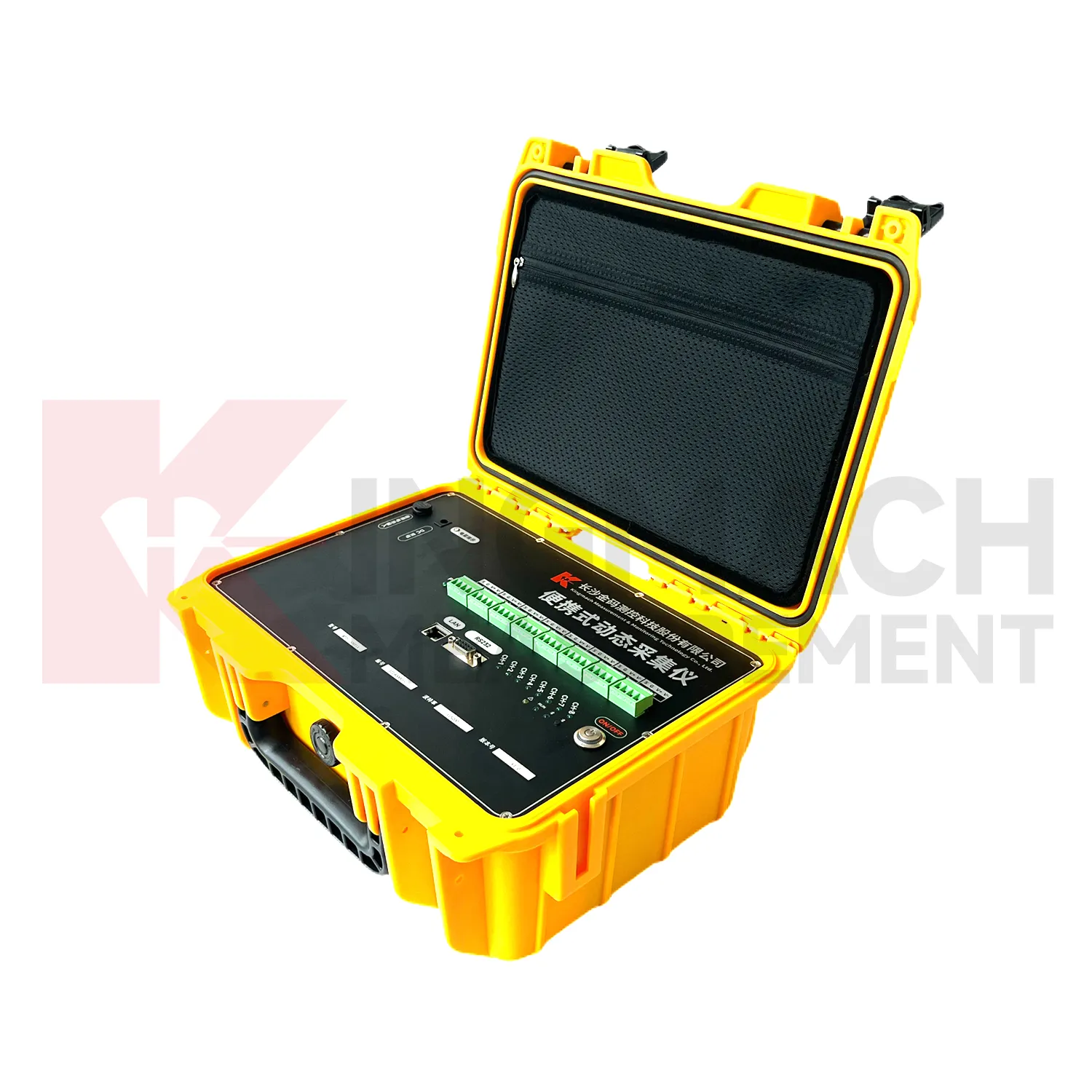
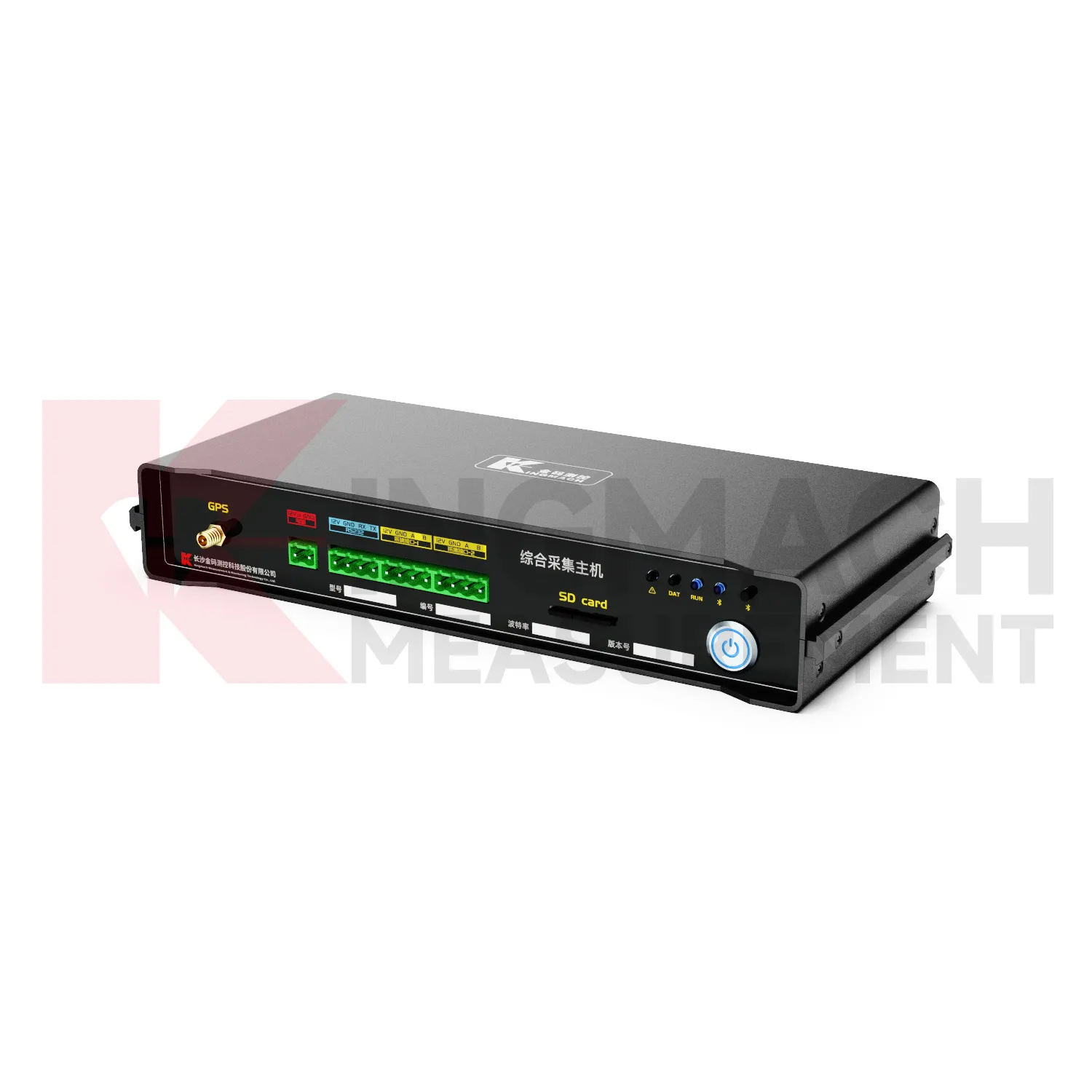
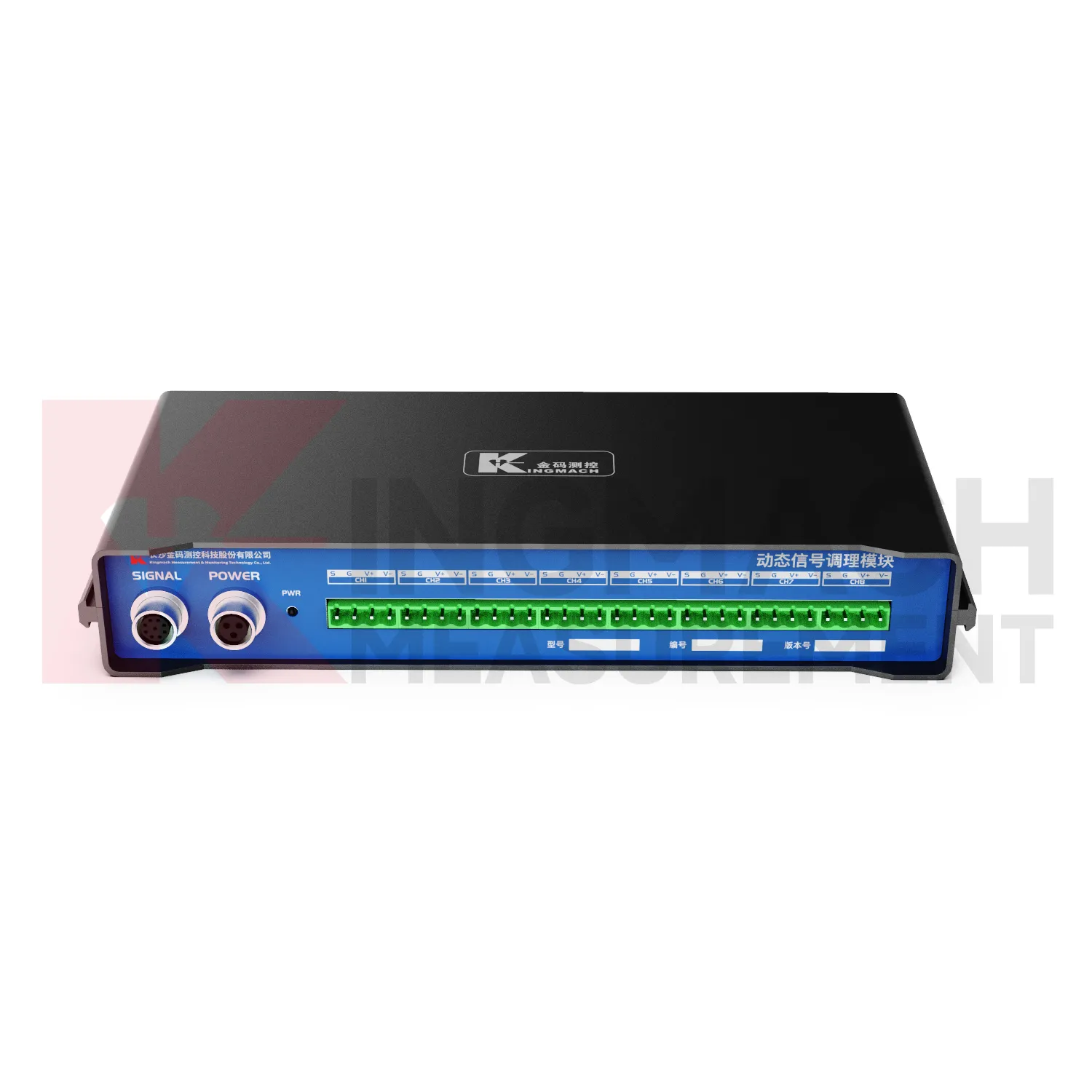
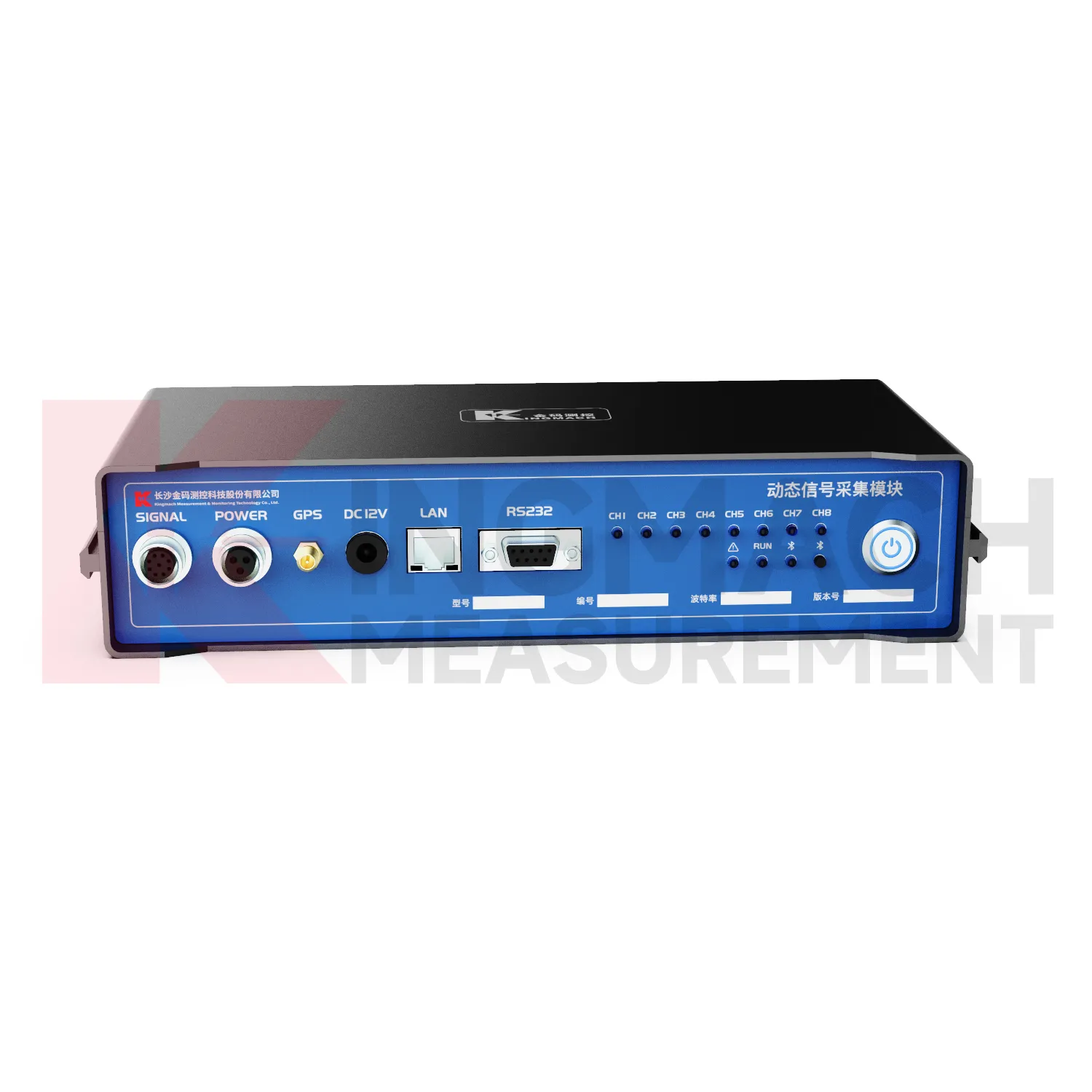
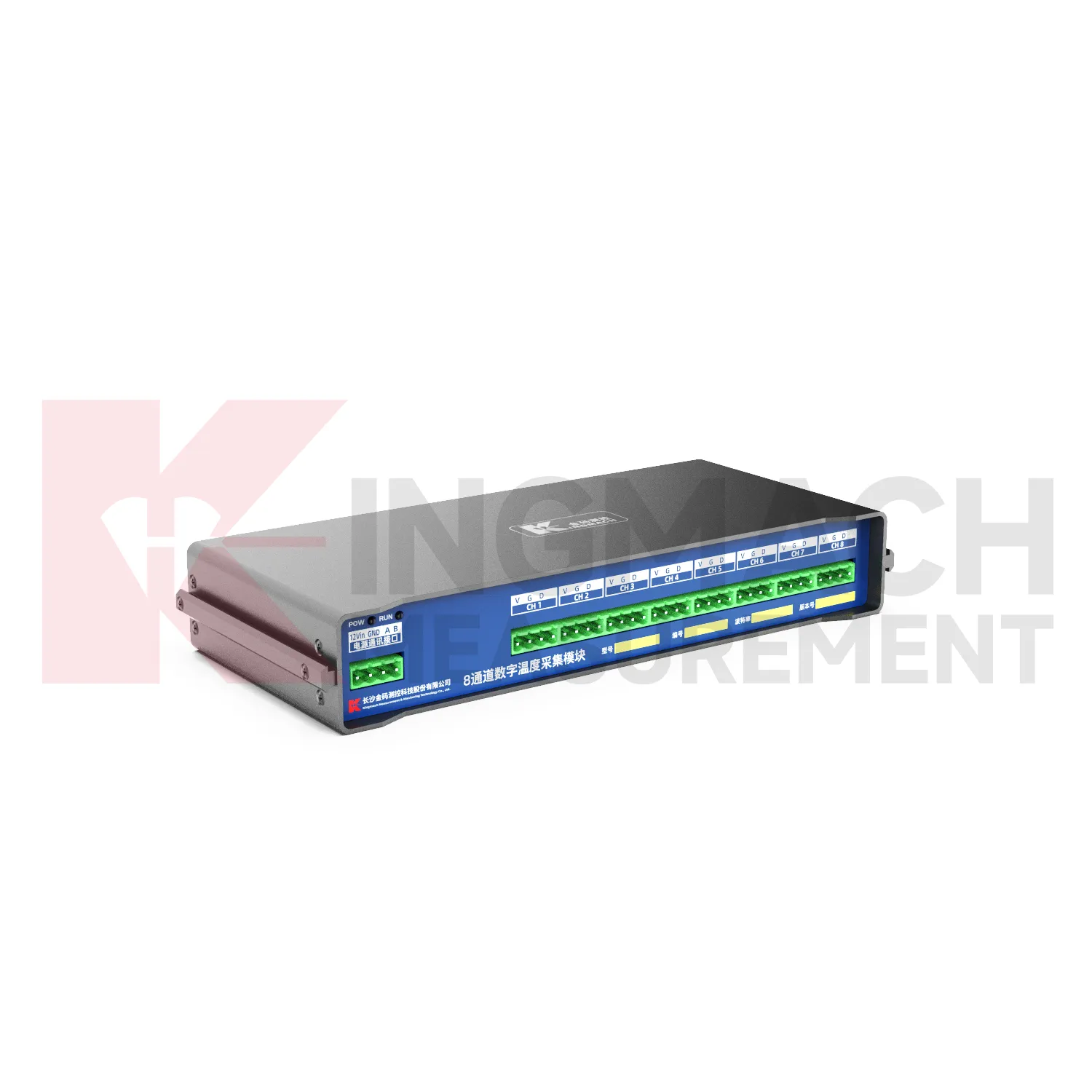
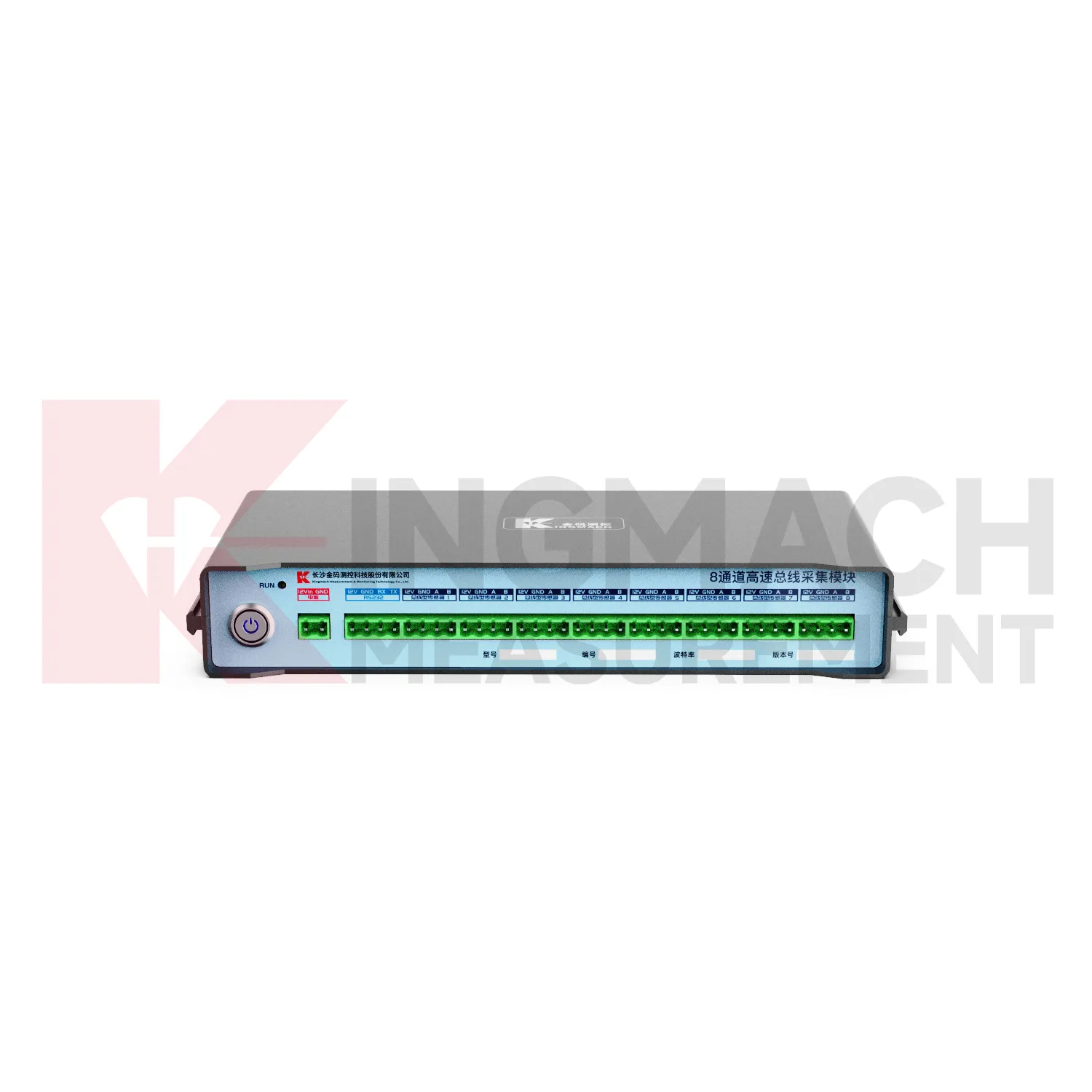
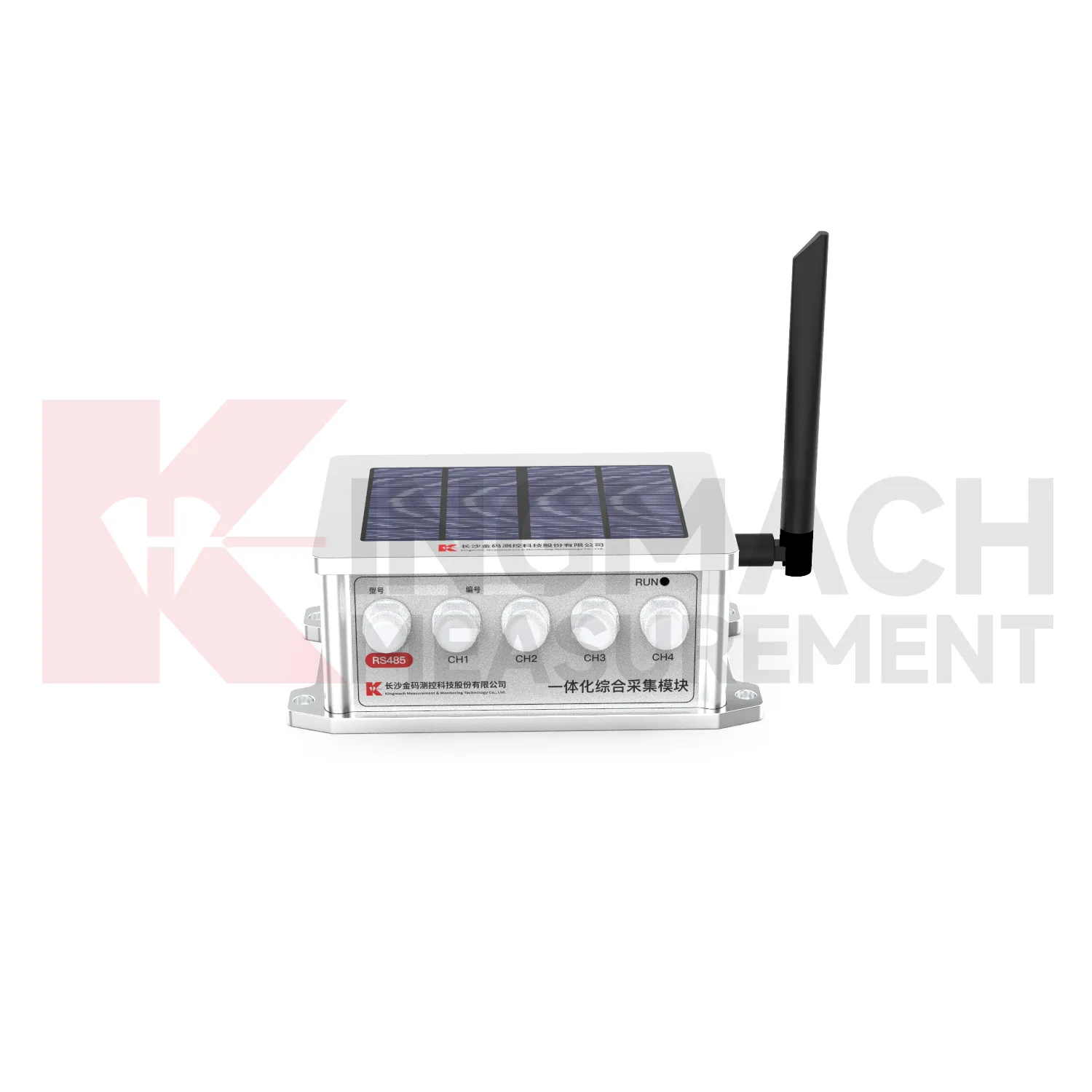
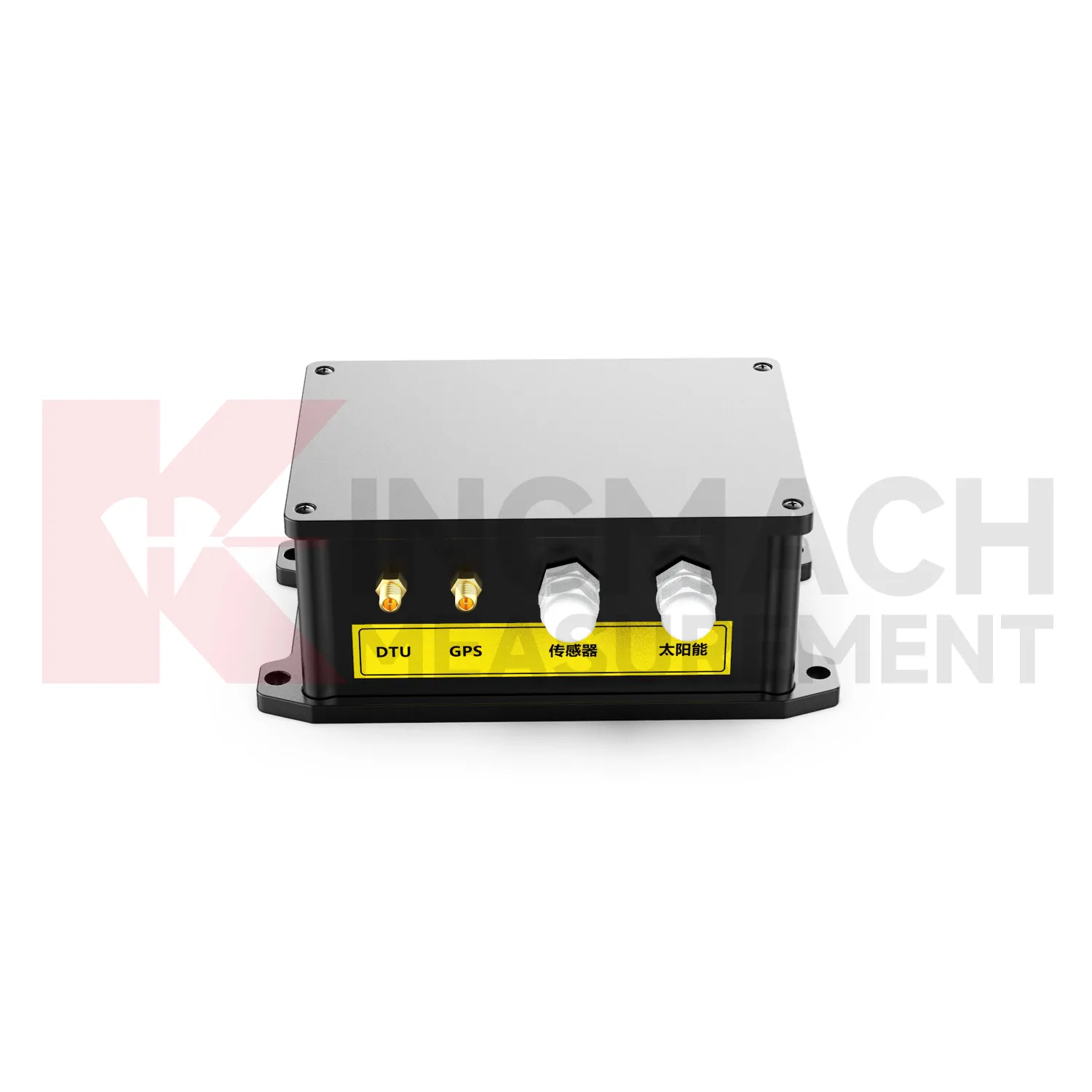
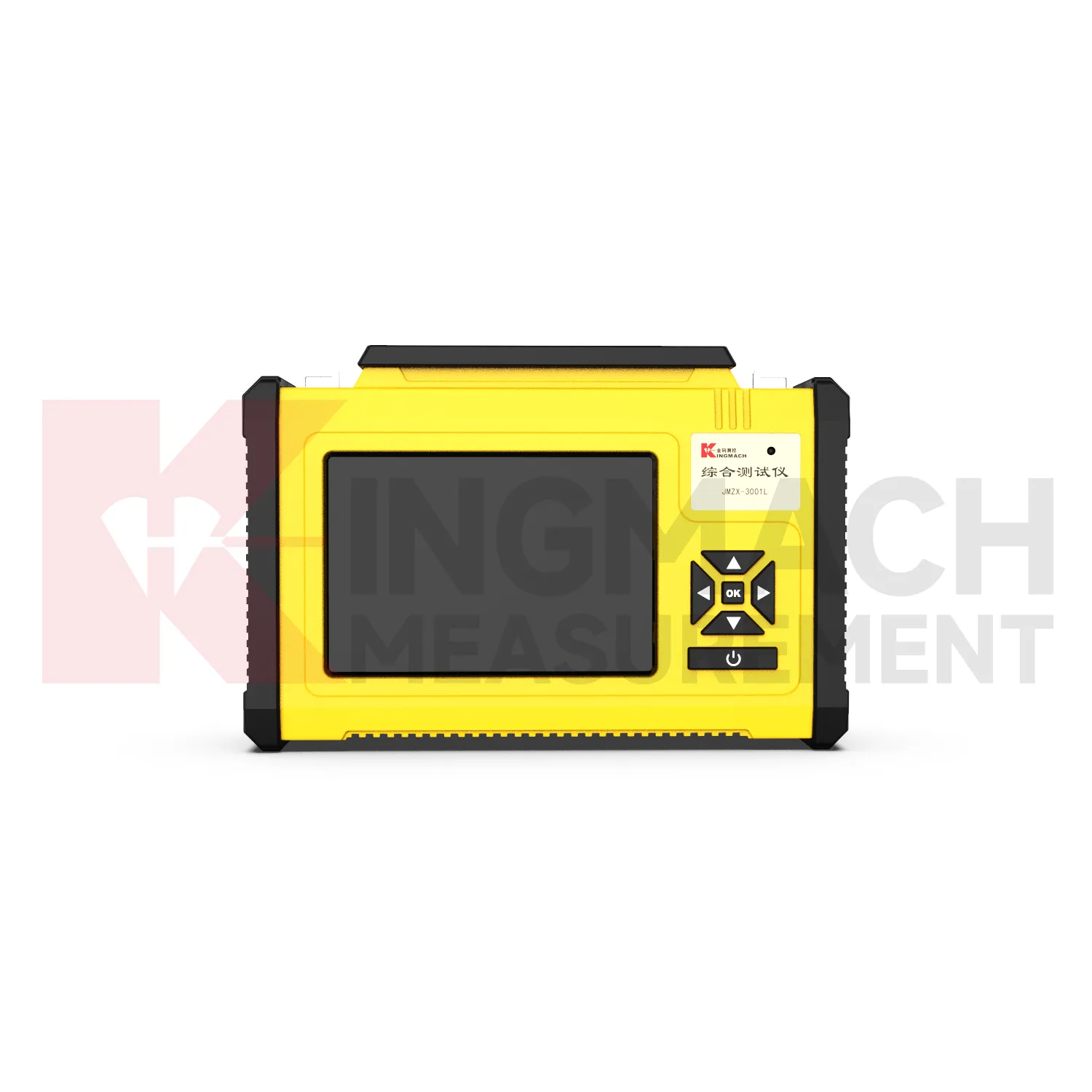
Kingmach Structural Safety Assessment help owners avoid fragmented monitoring records. Without a clear acquisition device, one team may keep handheld readings, another may keep platform data, and a third may keep inspection notes. A better workflow connects the readout or logger with sensor location, acquisition interval, export method, and review responsibility. For vibrating wire sensors, a readout can support quick field confirmation and stored values. For RS485 digital sensors, a wireless logger can support timed acquisition and active upload. For dynamic signals, portable acquisition equipment can capture events that need faster sampling and synchronized channels. The result is a monitoring record that can be reviewed after the field crew leaves. Fragmentation is especially risky when a project has many structures, temporary work stages, or multiple contractors. The acquisition plan should define one naming logic for points and one method for exporting files. When inspection notes, logger records, and manual checks use the same location language, the owner can compare them without guesswork. This reduces reporting delays and makes abnormal readings easier to trace. It also helps when consultants, contractors, and owners need to review the same monitoring period with different responsibilities but a shared data source. during formal reporting. and audits. consistently.
Application of Structural Safety Assessment
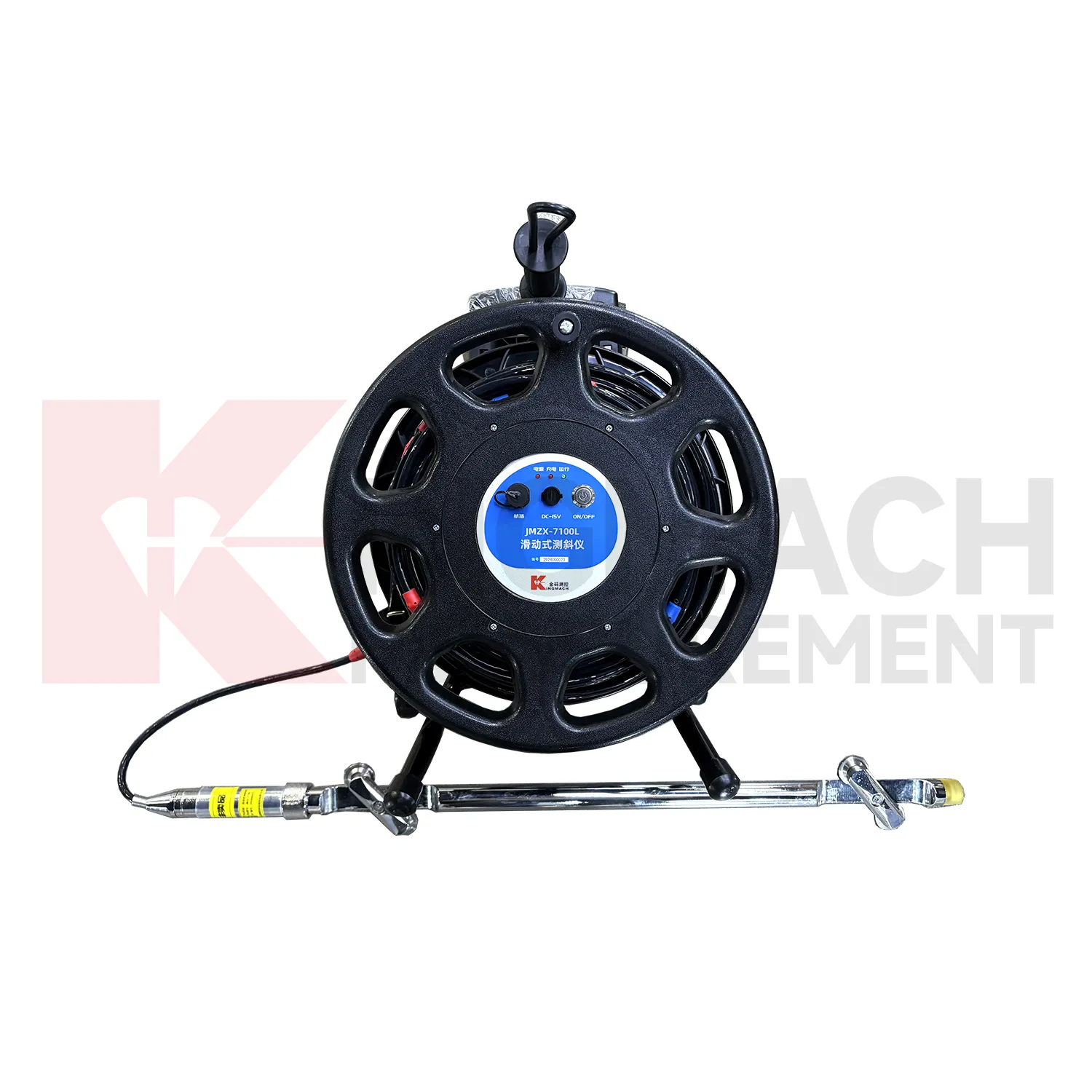
Industrial testing and equipment monitoring use Kingmach Structural Safety Assessment when strain, vibration, displacement, temperature, or pressure-related signals need organized acquisition. Portable readouts are useful for temporary tests, commissioning checks, and maintenance diagnosis. Dynamic acquisition devices can capture short events from machinery start-up, impact, load transfer, or process changes. Data loggers can support longer records when equipment behavior must be observed across shifts or operating cycles. The device should fit the signal type and review purpose. A plant maintenance team may need quick confirmation, while an engineering team may need exported data for analysis. Clear channel names and event notes help both groups work from the same record. Industrial records often need to be linked with operating state. A waveform during start-up, a temperature change during production, or a strain response after adjustment should be stored with the equipment condition. This helps maintenance staff compare repeated tests and gives engineers a cleaner basis for diagnosing load transfer, vibration source, or process influence. Stable export files also make external analysis easier. For temporary tests, the readout or logger should also make it easy to repeat the same measurement route after repair, adjustment, or operating change. That repeatability helps maintenance teams compare before-and-after behavior.
The future of Structural Safety Assessment
Future Kingmach Structural Safety Assessment will help owners manage mixed sensor networks. A single project may include vibrating wire sensors, digital bus instruments, temperature points, dynamic signals, environmental stations, and manual inspection notes. Future acquisition systems should make it easier to keep these records aligned by location, time, and engineering purpose. This will help reviewers understand relationships between movement, load, vibration, rainfall, temperature, and construction activity. A more organized data chain will make monitoring records easier to defend during operation, maintenance, and safety review. Mixed networks also need clearer grouping. Sensors that belong to a bridge pier, slope section, tunnel ring, or dam gallery should appear together in the acquisition history. When the system keeps related points connected, engineers can compare behavior across sensor types without losing the physical layout. That will make future reviews faster and more reliable. It also supports clearer reporting when owners review several assets in one program.
Care & Maintenance of Structural Safety Assessment
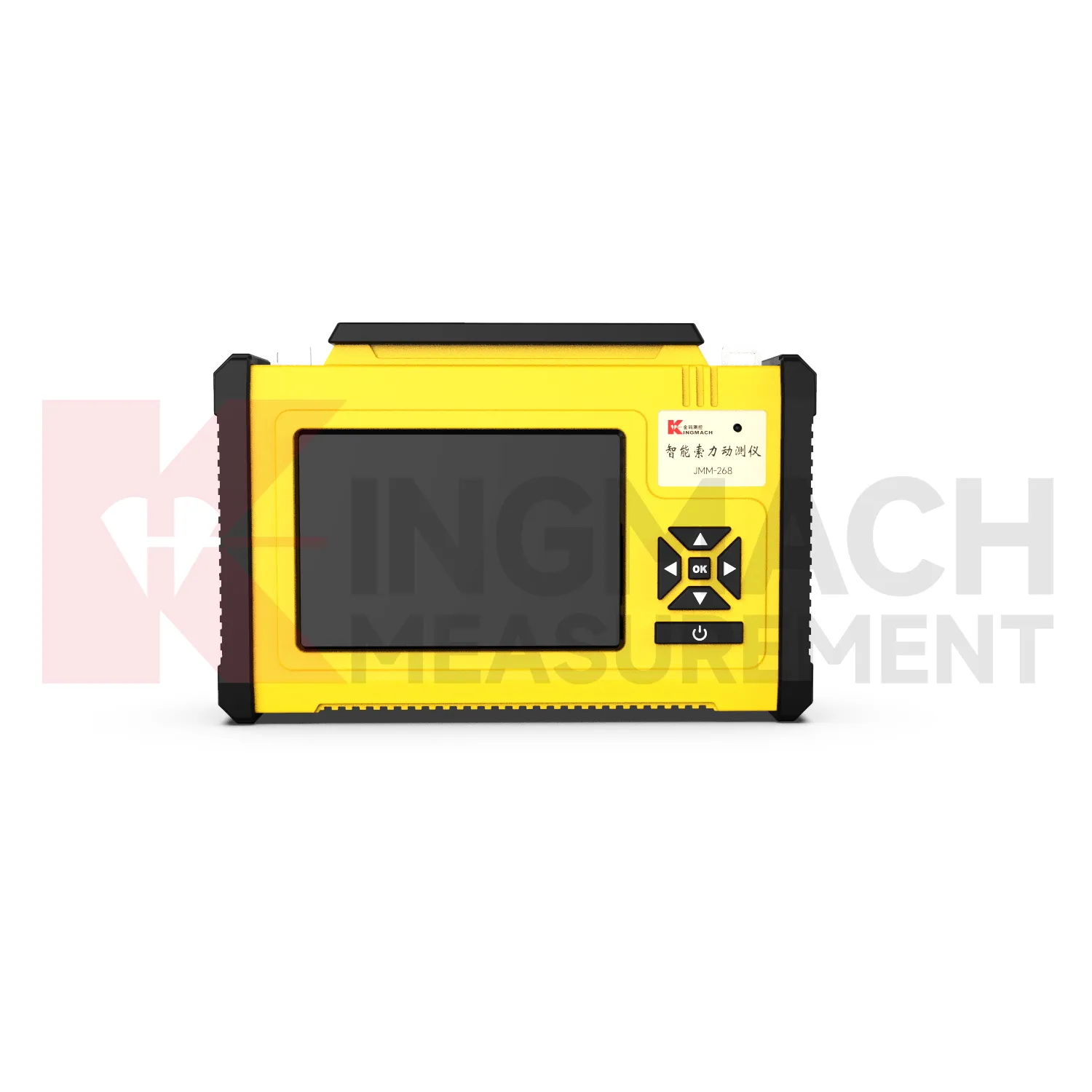
Care and maintenance of Kingmach Structural Safety Assessment should begin with channel and point identity. Every readout or logger record should match the physical sensor point, cable label, channel name, and project location. If labels fade, cables are moved, or channel names are changed without notes, later reviewers may not know which structure or sensor produced the value. Maintenance staff should keep updated channel lists, point photos, and connection diagrams. After a repair or reconnection, the first stable reading should be saved with a note about the work performed. This protects the monitoring history from avoidable confusion. Identity checks are especially important after sensor replacement or cabinet work. A technician should confirm the physical point before accepting a reading, then update the channel map if anything changed. This simple habit prevents a good value from being assigned to the wrong structure. during later review. by engineers and owners. over time. safely. clearly.
Kingmach Structural Safety Assessment
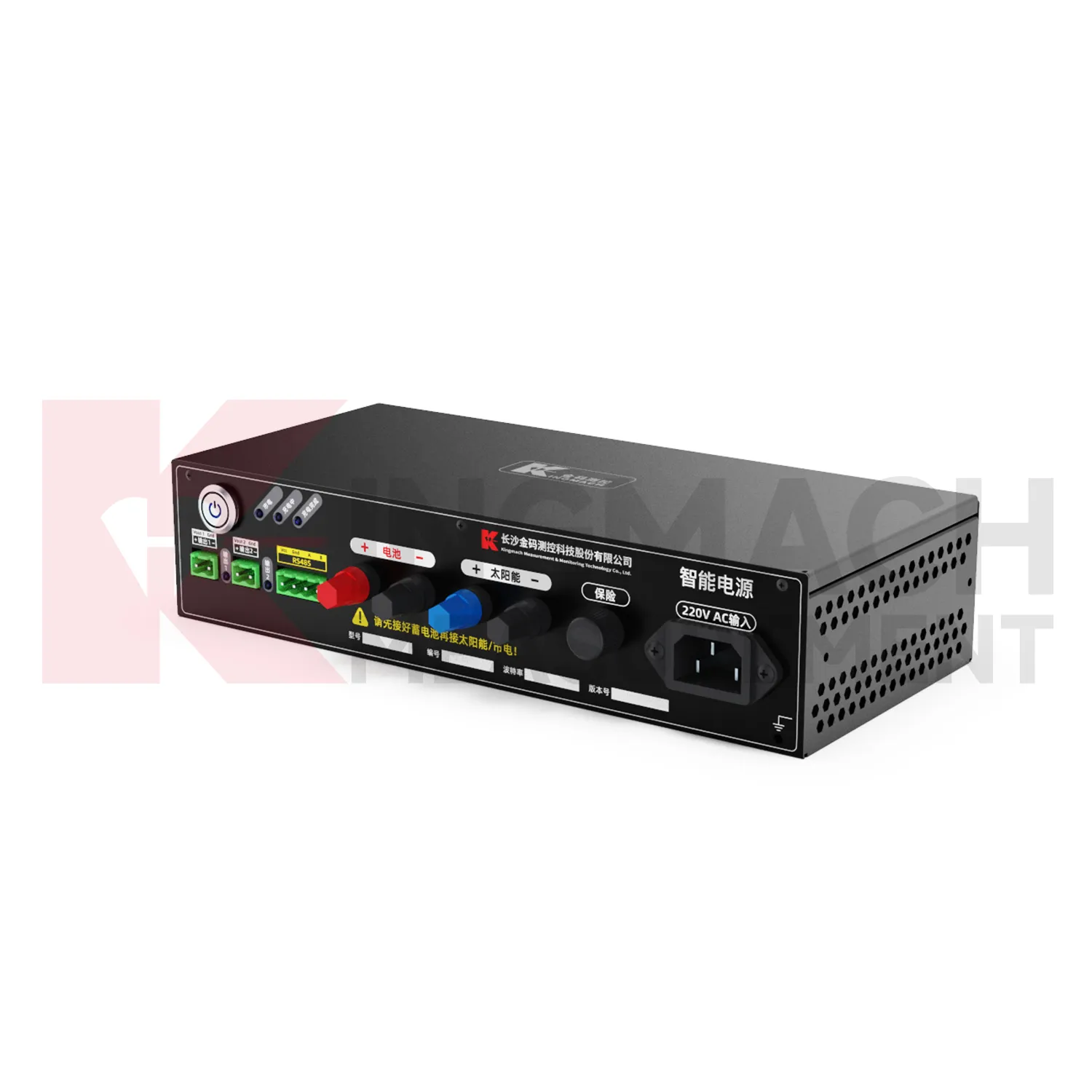
Kingmach Structural Safety Assessment support projects where many sensor types must be read consistently across installation, construction, and operation. Portable readouts are useful when field crews need immediate confirmation of a vibrating wire sensor, temperature point, or dynamic signal before leaving the site. Fixed and wireless loggers are useful when the project needs unattended monitoring, scheduled acquisition, or remote upload. The buyer should evaluate the complete workflow: which sensors are connected, how often readings are needed, how data is stored, who reviews alarms, and how records are handed over. A reliable acquisition plan reduces missed readings and makes later engineering review easier. For mobile testing, the operator also needs clear channel naming, stable sensor connection, charged power, and a short note about the test condition before the instrument is moved to the next point. For remote stations, the acquisition interval, upload status, battery condition, enclosure condition, and last maintenance visit should remain visible so unattended monitoring does not become a blind record.
FAQ
Q: What are Readouts & Data Loggers used for?
A: They collect, display, store, and transfer sensor readings so engineering teams can review monitoring data from structural, geotechnical, and industrial projects.
Q: How are readouts different from data loggers?
A: Readouts are often used for field checking and portable measurement, while data loggers support automatic acquisition, scheduled records, and longer monitoring periods.
Q: Which sensors can be connected?
A: The category can support vibrating wire sensors, digital RS485 sensors, temperature points, dynamic signals, strain instruments, displacement sensors, tilt sensors, and other monitoring devices depending on the model.
Q: Why is channel naming important?
A: Clear channel names connect each reading with the correct sensor, location, structure, and review purpose, which prevents confusion during reporting and handover.
Q: What should be checked before purchase?
A: Buyers should define sensor type, channel count, acquisition interval, power supply, communication method, storage needs, site access, and reporting workflow.
Reviews
Ryan Lewis
Fast delivery and excellent product quality. The accelerometers and tiltmeters are highly reliable. Strongly recommend this company.
Christopher Martinez
Very satisfied with the readouts & data loggers. User-friendly interface and supports multiple sensor inputs.
Latest Inquiries
To protect the privacy of our buyers, only public service email domains like Gmail, Yahoo, and MSN will be displayed. Additionally, only a limited portion of the inquiry content will be shown.
Mia***@gmail.comNetherlands
Dear team, we are interested in your readouts & data loggers compatible with multiple sensors. Do yo...
Charlotte***@gmail.comUnited Arab Emirates
Hi, we require instrumentation cables suitable for harsh environments. Could you advise on specifica...
Related product categories
- Survey Equipment
- Data management software
- Monitoring Software Suite
- Groundwater modeling software
- Data Acquisition Systems
- Portable Vibrating Wire Dynamic Strain Data Logger
- Vibrating Wire Strain Data Logger
- Portable Dynamic Strain Tester
- Intelligent Readout Unit
- Single/Dual Channel Cable Force Dynamic Tester
- Temperature Compensation Module
- Data Transfer Unit (DTU)