
 EN
EN
 ar
ar bg
bg hr
hr cs
cs da
da nl
nl fi
fi fr
fr de
de el
el hi
hi it
it ko
ko no
no pl
pl pt
pt ro
ro ru
ru es
es sv
sv tl
tl iw
iw id
id lv
lv lt
lt sr
sr sk
sk sl
sl uk
uk vi
vi et
et hu
hu th
th tr
tr fa
fa ms
ms hy
hy ka
ka ur
ur bn
bn mn
mn ta
ta kk
kk uz
uz ku
ku
Instrumentation Cables
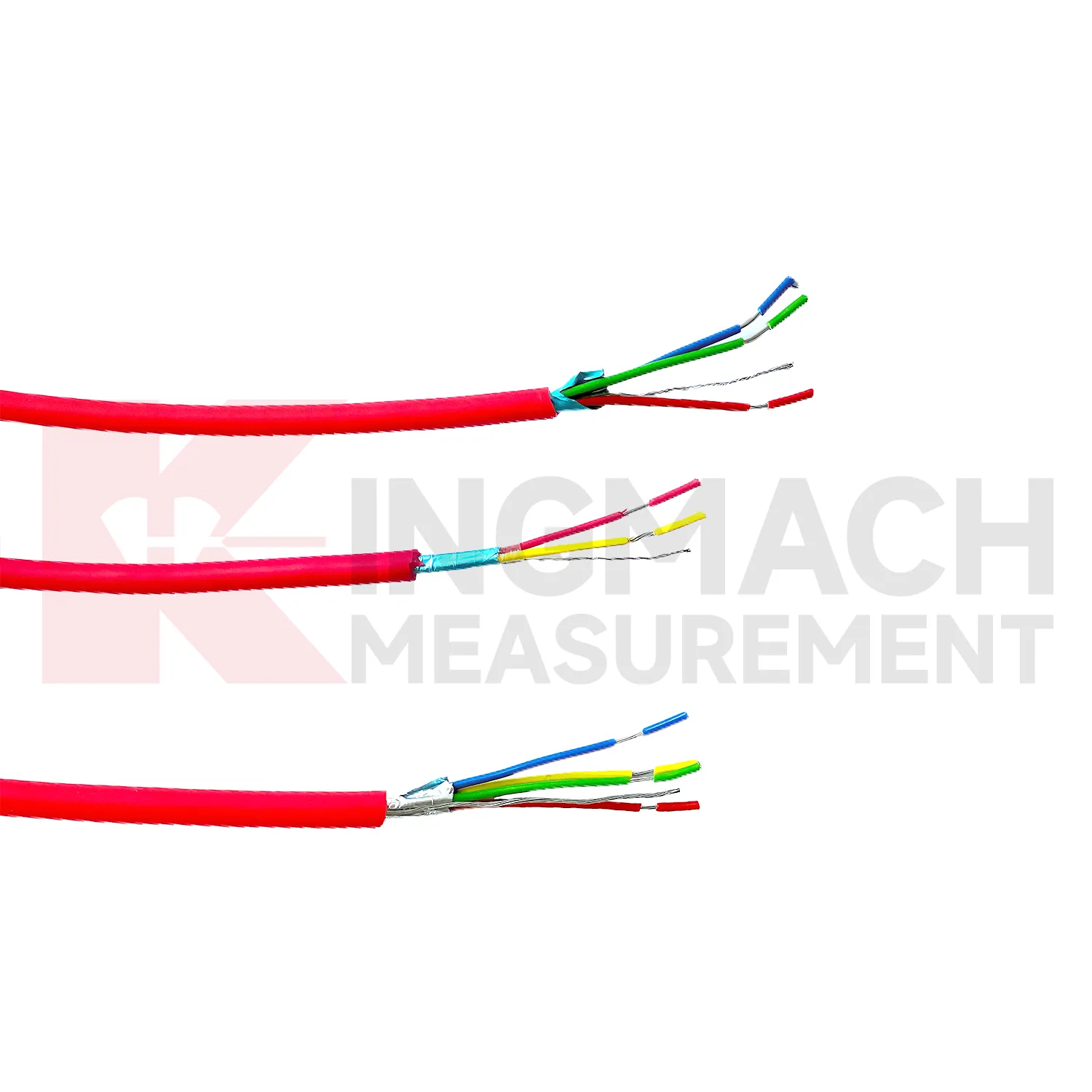
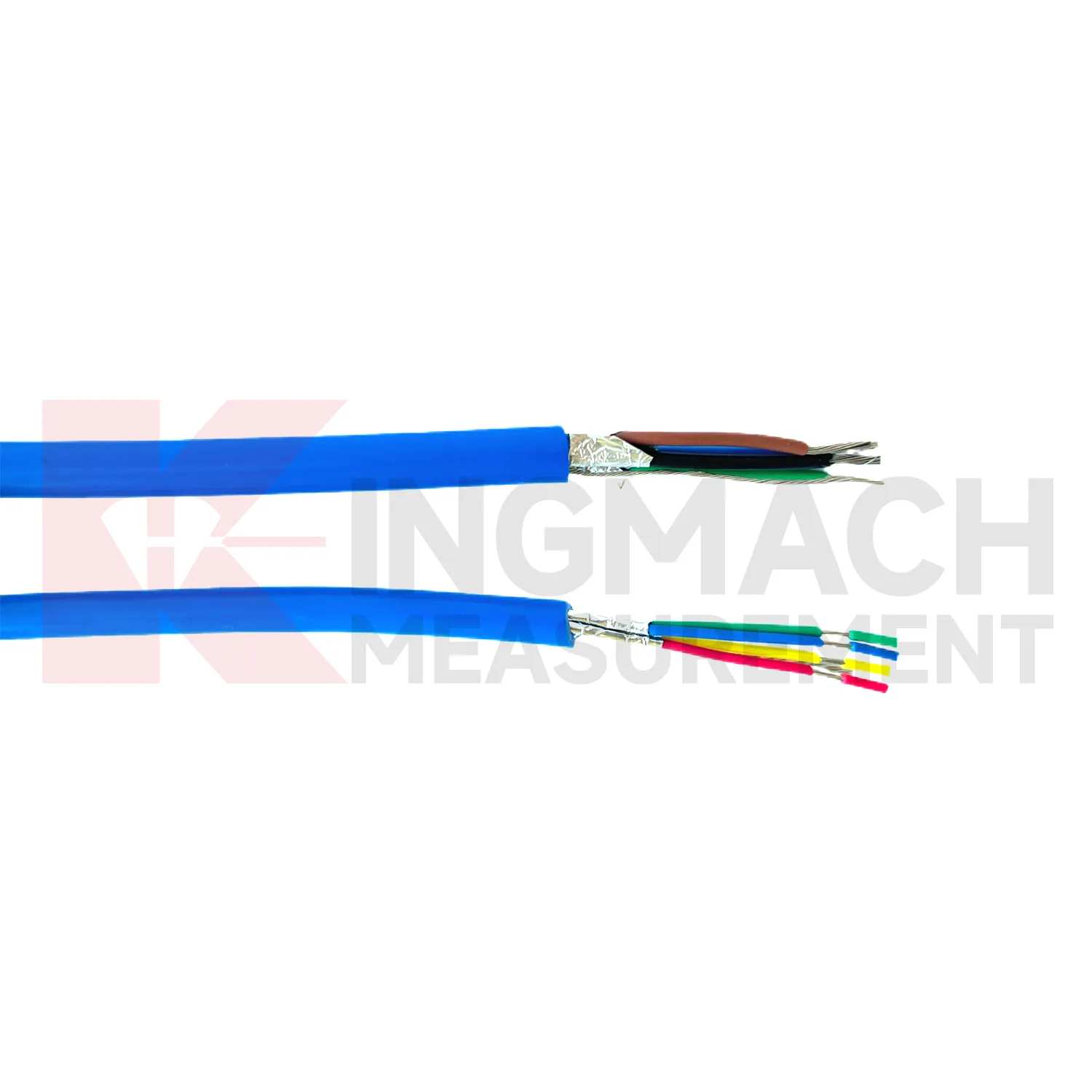
Model selection inside the Kingmach cable range starts with field exposure. If the project involves fine sensor signals around power equipment, temporary machines, or cabinet wiring, JMZX-XPX gives the route a shielded structure for cleaner transmission. If the path enters wet galleries, water-level areas, conduits with pulling stress, or other hydraulic sections, JMZX-XSX brings sealing, water resistance, and tensile strength into the design. This split helps engineers assign each cable by risk condition instead of using one generic wire across every part of the site.
Application of Instrumentation Cables
Slope monitoring uses Kingmach Instrumentation Cables to carry signals from displacement, settlement, pore pressure, rainfall, and inclination instruments back to acquisition equipment. Field routes may cross open ground, drainage ditches, retaining structures, or equipment boxes exposed to weather. A cable with waterproof, moisture-proof, and wear-resistant behavior helps reduce failures caused by rain, soil movement, route damage, or repeated maintenance access. When cable records are linked to sensor IDs and drawing locations, engineers can identify whether a reading change is related to ground behavior or a damaged route.
The future of Instrumentation Cables
Edge acquisition will make Kingmach Instrumentation Cables even more important at the local cabinet level. When data loggers screen readings near the structure before sending them onward, cable noise can affect alarm logic and event records. Shielded wiring helps protect weak signals before they reach the acquisition module. Water-resistant hydraulic cable helps keep wet-zone channels alive during storms or seasonal water changes. Better cable discipline means edge devices receive cleaner input, making early warnings more dependable.
Care & Maintenance of Instrumentation Cables
Inspect Kingmach Instrumentation Cables after construction activity near the route. Excavation, welding, drilling, formwork movement, equipment relocation, and temporary power installation can all damage cable or change interference conditions. The inspection should cover sheath cuts, crushed sections, loose ties, connector strain, cabinet entry sealing, and changed proximity to power lines. If data changed around the same date as site work, check the cable path before treating the change as a structural trend.
Kingmach Instrumentation Cables
Kingmach Instrumentation Cables support the part of a monitoring system that is easy to overlook until a signal becomes unstable. A sensor may be accurate, and a data logger may be working, yet a weak cable route can still introduce noise, moisture risk, or intermittent connection. Instrumentation cable planning therefore belongs near the start of bridge, tunnel, slope, building, dam, foundation pit, and railway monitoring work. The cable has to carry small sensor signals through dust, water, vibration, cabinet bends, and repeated site activity without turning field conditions into false readings. Kingmach supplies test dedicated shielded wire JMZX-XPX and hydraulic cable JMZX-XSX for these duties, giving engineers a practical path for stable connection between sensor points and acquisition equipment.
FAQ
Q: What are Kingmach Instrumentation Cables used for?
A: They connect monitoring sensors, acquisition equipment, cabinets, and data recorders while helping protect signal transmission in demanding field environments.
Q: Which cable models are listed in this category?
A: The local product pages list test dedicated shielded wire JMZX-XPX and hydraulic cable JMZX-XSX.
Q: What is JMZX-XPX designed for?
A: It is a shielded test wire with composite shielding for low-loss sensor signal transmission and resistance to EMI and RFI.
Q: What is JMZX-XSX designed for?
A: It is a hydraulic engineering cable with multi-layer sealing and water-resistant insulation for humid, underwater, or wet routes.
Q: Where are these cables commonly applied?
A: They are used in bridges, tunnels, slopes, buildings, dams, foundation pits, railways, hydraulic works, and mixed monitoring systems.
Reviews
David Wilson
We purchased displacement transducers and settlement sensors, and the quality exceeded our expectations. Easy installation and reliable performance.
Andrew Lee
The visualization software is intuitive and powerful. It helps us analyze monitoring data efficiently.
Latest Inquiries
To protect the privacy of our buyers, only public service email domains like Gmail, Yahoo, and MSN will be displayed. Additionally, only a limited portion of the inquiry content will be shown.
Harper***@gmail.comIndia
Dear Sir, we are planning to procure a complete monitoring system including strain gauges, tiltmeter...
Olivia***@gmail.comUnited States
Hello, we are currently sourcing high-precision strain gauges and load cells for a bridge monitoring...